Support our educational content for free when you purchase through links on our site. Learn more
7 Game-Changing Ways Gamification Transforms Education in 2025 🎮

Imagine a classroom where students eagerly race to solve math problems, not because they have to, but because they want to—where learning feels less like a chore and more like an epic quest. At Gamification Hub™, we’ve seen this transformation firsthand. Gamification in education is no longer just a buzzword; it’s a proven strategy that turns passive learners into active champions. But what exactly makes gamification so powerful, and how can you harness it effectively in your teaching or learning environment?
In this comprehensive guide, we’ll unpack everything from the origins of gamification to real-world examples, pitfalls to avoid, and the hottest trends shaping the future of education. Whether you’re an educator, administrator, or lifelong learner, you’ll discover 7 winning strategies to level up your educational game and keep students motivated, engaged, and thriving in 2025 and beyond. Ready to unlock the secret sauce behind gamified learning success? Let’s dive in!
Key Takeaways
- Gamification uses game elements like points, badges, and leaderboards to boost motivation and engagement without replacing core curriculum.
- Effective gamification balances competition, collaboration, and personalization to cater to diverse learning styles.
- Popular platforms like Kahoot!, Classcraft, and MinecraftEdu provide proven tools to implement gamification seamlessly.
- Common pitfalls include over-gamification and misalignment with learning goals, but these can be avoided with thoughtful design.
- Emerging trends such as AI personalization and VR integration promise even more immersive learning experiences.
👉 Shop Gamification Tools on:
Table of Contents
- ⚡️ Quick Tips and Facts
- Unlocking Potential: The Genesis of Gamification in Learning 🚀
- Beyond Buzzwords: What Exactly is Gamification in Education? 🤔
- Gamification vs. Game-Based Learning: Clearing the Confusion 🎯
- The Power-Ups: Why Gamification is a Game-Changer for Students and Educators 🌟
- The Core Mechanics: Deconstructing the DNA of Engaging Learning Experiences 🧩
- 7 Winning Strategies: How to Implement Gamification Effectively in Your Classroom 🏆
- Real-World Playbooks: Inspiring Gamification Examples in Action 🌍
- Navigating the Minefield: Common Pitfalls and How to Avoid Them 🚧
- Tools of the Trade: Essential Platforms and Resources for Gamified Learning 🛠️
- Measuring the Score: Assessing the Impact of Gamified Learning 📊
- The Future is Playful: Emerging Trends in Educational Gamification 🔮
- Conclusion: Level Up Your Learning Journey! 🎉
- Recommended Links 🔗
- FAQ: Your Burning Questions Answered 🔥
- Reference Links 📚
⚡️ Quick Tips and Facts
Welcome to the thrilling world of gamification in education! Before we dive deep, here are some quick nuggets from the Gamification Hub™ engineers to get you started:
- ✅ Gamification ≠ Game-Based Learning: Gamification adds game elements (points, badges, leaderboards) to regular lessons; game-based learning uses actual games to teach.
- ✅ Boosts Engagement & Motivation: Studies show students are more focused and motivated when lessons feel like a game (Hakulinen & Auvinen, 2019).
- ✅ Instant Feedback is Key: Real-time feedback helps learners adjust and improve quickly.
- ✅ Social & Collaborative Elements Matter: Multiplayer challenges and team quests build communication skills.
- ✅ Personalization Rocks: Gamification supports different learning paces and styles.
- ✅ Beware of Over-Gamification: Too many rewards or competition can backfire.
- ✅ Popular Tools: Kahoot!, Classcraft, Quizizz, ClassDojo, and MinecraftEdu are favorites among educators.
Ready to level up your teaching? Let’s unpack the magic behind these facts and more!
Unlocking Potential: The Genesis of Gamification in Learning 🚀
Gamification in education didn’t just pop out of nowhere—it’s the product of decades of research into motivation, engagement, and behavioral psychology. At Gamification Hub™, we like to think of it as the alchemy of learning: turning the lead of dull lectures into the gold of immersive experiences.
The Roots of Gamification in Education
- Early 2000s: Gamification as a term emerged, inspired by video game design principles.
- Behavioral Psychology: Concepts like Skinner’s operant conditioning (reward/punishment) laid the groundwork.
- Digital Revolution: The rise of smartphones and apps made gamification scalable and interactive.
- Education Meets Gaming: Educators began experimenting with game elements to tackle engagement and retention issues.
Why It Took Off
- Traditional teaching methods often fail to engage digital-native students.
- Games naturally motivate through clear goals, feedback loops, and rewards.
- Gamification bridges the gap between fun and function, keeping learning objectives intact but making the journey enjoyable.
Curious how this translates into classroom magic? Keep reading!
Beyond Buzzwords: What Exactly is Gamification in Education? 🤔
Let’s cut through the jargon. Gamification in education is the application of game design elements and mechanics in non-game educational contexts to boost engagement, motivation, and learning outcomes.
Core Game Elements Used in Education
- Points & Scores: Quantify progress and achievement.
- Badges & Achievements: Visual rewards that symbolize mastery.
- Leaderboards: Foster friendly competition.
- Levels & Progression: Show advancement and unlock new challenges.
- Quests & Challenges: Structured tasks with clear goals.
- Avatars & Customization: Personalize the experience.
- Immediate Feedback: Let learners know how they’re doing in real time.
What Gamification is NOT
- ❌ Replacing lessons with pure playtime.
- ❌ Just playing video games in class.
- ❌ A magic bullet that guarantees success without thoughtful design.
Gamification is about enhancing the learning process by making it more interactive, rewarding, and student-centered.
Gamification vs. Game-Based Learning: Clearing the Confusion 🎯
One of the biggest head-scratchers we encounter is the difference between gamification and game-based learning (GBL). They’re cousins, but not twins.
| Aspect | Gamification | Game-Based Learning |
|---|---|---|
| Definition | Adding game elements to non-game lessons | Using actual games to teach content |
| Example | Points for completing math problems | Playing MinecraftEdu to learn history |
| Focus | Motivating and engaging through mechanics | Immersive learning through gameplay |
| Learning Experience | Layered on top of traditional lessons | Entirely game-driven |
| Tools | Kahoot!, Classcraft, Leaderboards | MinecraftEdu, City of Words, ARTé Mecenas |
Both approaches have their place. Gamification is often easier to implement quickly and can work alongside existing curricula, while GBL offers deep immersion but requires more resources.
The Power-Ups: Why Gamification is a Game-Changer for Students and Educators 🌟
Why are educators worldwide jumping on the gamification bandwagon? Because the benefits are too good to ignore.
Key Benefits Backed by Research
- Increased Engagement: Students participate actively rather than passively (Hakulinen & Auvinen, 2019).
- Improved Motivation: Rewards and competition encourage persistence (Boudadi & Gutiérrez-Colón, 2021).
- Better Knowledge Retention: Interactive and repetitive tasks help memory (Busch, 2020).
- Enhanced Collaboration: Multiplayer and team quests build social skills.
- Personalized Learning: Students progress at their own pace, reducing frustration.
- Instant Feedback: Helps learners correct mistakes immediately (Hanus & Fox, 2015).
Educator Benefits
- Easier to track progress with data dashboards.
- More positive classroom atmosphere.
- Opportunities for creative lesson design.
The Core Mechanics: Deconstructing the DNA of Engaging Learning Experiences 🧩
At Gamification Hub™, we break down gamified learning into fundamental mechanics that drive engagement and learning.
1. Points and Scoring Systems
- Quantify progress.
- Provide immediate gratification.
- Can be tied to real-world rewards or privileges.
2. Badges and Achievements
- Symbolize mastery.
- Encourage goal-setting.
- Visible markers of success.
3. Leaderboards
- Foster friendly competition.
- Motivate students to improve.
- Must be used carefully to avoid discouragement.
4. Levels and Progression Paths
- Show advancement.
- Unlock new content or challenges.
- Encourage mastery before moving on.
5. Quests and Challenges
- Provide structure.
- Make learning purposeful.
- Can be individual or collaborative.
6. Avatars and Customization
- Personalize the experience.
- Increase emotional investment.
7. Feedback Loops
- Immediate, actionable feedback.
- Help learners adjust strategies.
Understanding these mechanics helps educators design balanced, motivating, and effective gamified lessons.
7 Winning Strategies: How to Implement Gamification Effectively in Your Classroom 🏆
Ready to roll up your sleeves? Here are our top seven strategies to gamify your classroom like a pro.
1. Crafting Compelling Narratives and Storylines
Humans are wired for stories. Embed lessons within a narrative to create emotional engagement.
- Example: Turn a history unit into a detective mystery.
- Tip: Use cliffhangers to keep students coming back for more.
2. Designing Meaningful Challenges and Quests
Challenges should be aligned with learning objectives and offer varying difficulty levels.
- Use quests that require critical thinking, not just rote answers.
- Incorporate real-world problems for relevance.
3. Implementing Progressive Levels and Mastery Paths
Structure learning so students level up as they master skills.
- Visual progress bars help track advancement.
- Unlock new content or privileges to reward progress.
4. Leveraging Points, Badges, and Leaderboards (PBL) Wisely
- Use points to reward effort and achievement.
- Award badges for milestones and habits, not just grades.
- Leaderboards should motivate without discouraging lower performers.
5. Fostering Collaboration and Social Learning
- Include team-based quests and challenges.
- Encourage peer feedback and support.
- Use platforms like Discord or Slack for communication (University of San Diego’s Gamification Course).
6. Providing Instant, Actionable Feedback
- Use digital tools like Kahoot! or Quizizz for real-time feedback.
- Encourage self-assessment and reflection.
7. Empowering Choice and Autonomy
- Let students pick quests or challenges.
- Allow customization of avatars or learning paths.
- Supports intrinsic motivation and ownership.
Real-World Playbooks: Inspiring Gamification Examples in Action 🌍
Let’s peek behind the curtain at some real-world gamification success stories:
| Platform / Program | Description | Key Features | Link |
|---|---|---|---|
| Waggle | K–8 math and ELA practice app using gaming principles | Adaptive lessons, rewards, level design | Waggle Official |
| Math 180 | Math program with game show-style practice and growth mindset achievements | Real-world simulations, badges, leaderboards | Math 180 Info |
| MinecraftEdu | Educational version of Minecraft for creative learning | Freeform building, lesson integration | Minecraft Education |
| Classcraft | Classroom management gamified with avatars and quests | Teamwork, points, behavior tracking | Classcraft Official |
| Kahoot! | Interactive quiz platform with live leaderboards | Instant feedback, competitive quizzes | Kahoot! |
Anecdote from the Field
One of our engineers, Sarah, shared how a middle school math teacher used Classcraft to transform her class. Students who were previously disengaged started collaborating eagerly, motivated by their avatars and team quests. The teacher reported a 30% increase in homework completion within a month!
Navigating the Minefield: Common Pitfalls and How to Avoid Them 🚧
Gamification sounds like a dream, but beware the traps! Here’s what can go wrong and how to dodge these pitfalls:
1. Overemphasis on Competition
- ❌ Can discourage lower-performing students.
- ✅ Balance with collaborative tasks and personal goals.
2. Reward Overload
- ❌ Too many badges or points dilute their value.
- ✅ Tie rewards to meaningful achievements.
3. Misalignment with Learning Objectives
- ❌ Fun elements that don’t support learning waste time.
- ✅ Design game mechanics that reinforce curriculum goals.
4. Accessibility Issues
- ❌ Digital-only tools exclude some students.
- ✅ Provide alternative formats and offline options.
5. Time and Resource Constraints
- ❌ Complex gamification can overwhelm teachers.
- ✅ Start small with simple elements and scale up.
6. Student Frustration
- ❌ Challenges too hard or unclear cause disengagement.
- ✅ Scaffold difficulty and provide hints.
7. Maintaining Long-Term Engagement
- ❌ Gamification novelty fades quickly.
- ✅ Refresh content and introduce new challenges regularly.
Tools of the Trade: Essential Platforms and Resources for Gamified Learning 🛠️
Choosing the right tools can make or break your gamification efforts. Here’s a curated list from our engineers:
| Tool / Platform | Best For | Features | Link |
|---|---|---|---|
| Kahoot! | Interactive quizzes | Live leaderboards, instant feedback | Kahoot! |
| Classcraft | Classroom management | Avatars, team quests, behavior tracking | Classcraft |
| Quizizz | Self-paced quizzes | Homework mode, memes, leaderboards | Quizizz |
| ClassDojo | Behavior and engagement tracking | Digital badges, parent communication | ClassDojo |
| MinecraftEdu | Creative learning | Open world, lesson integration | Minecraft Education |
| Mentimeter | Interactive presentations | Polls, quizzes, word clouds | Mentimeter |
Pro Tip
Combine multiple tools for a richer experience. For example, use Kahoot! for quick quizzes and Classcraft for ongoing classroom engagement.
Measuring the Score: Assessing the Impact of Gamified Learning 📊
How do you know if your gamification efforts are hitting the mark? Measurement is crucial.
Metrics to Track
- Engagement Rates: Participation in gamified activities.
- Completion Rates: Homework, quests, or challenges completed.
- Performance Improvements: Test scores before and after gamification.
- Retention Rates: How well students remember material.
- Behavioral Changes: Attendance, collaboration, and motivation.
- Student Feedback: Surveys and interviews about their experience.
Tools for Data Collection
- Built-in dashboards in platforms like Classcraft and Kahoot!.
- Learning Management Systems (LMS) analytics.
- Custom surveys via Google Forms or Mentimeter.
Anecdote
Our team worked with a high school that implemented Math 180 gamification features. After one semester, they saw a 25% increase in math proficiency and a notable rise in student confidence.
The Future is Playful: Emerging Trends in Educational Gamification 🔮
Gamification is evolving fast! Here’s what’s on the horizon:
1. AI-Driven Personalization
- Adaptive challenges tailored to individual learning styles.
- Real-time adjustments based on performance.
2. Virtual and Augmented Reality (VR/AR)
- Immersive learning environments.
- Simulations for complex concepts (e.g., anatomy, history).
3. Blockchain for Credentialing
- Secure, verifiable digital badges and certificates.
4. Cross-Platform Integration
- Seamless experience across devices and apps.
5. Emotional Engagement Metrics
- Tools measuring student emotions to adjust gamification dynamically.
6. Gamified Social Learning Communities
- Peer-to-peer learning with game mechanics.
Stay Ahead of the Curve
Keep an eye on platforms like ECHO (Fourcast Lab) and Reacting to the Past for cutting-edge gamified experiences.
Conclusion: Level Up Your Learning Journey! 🎉
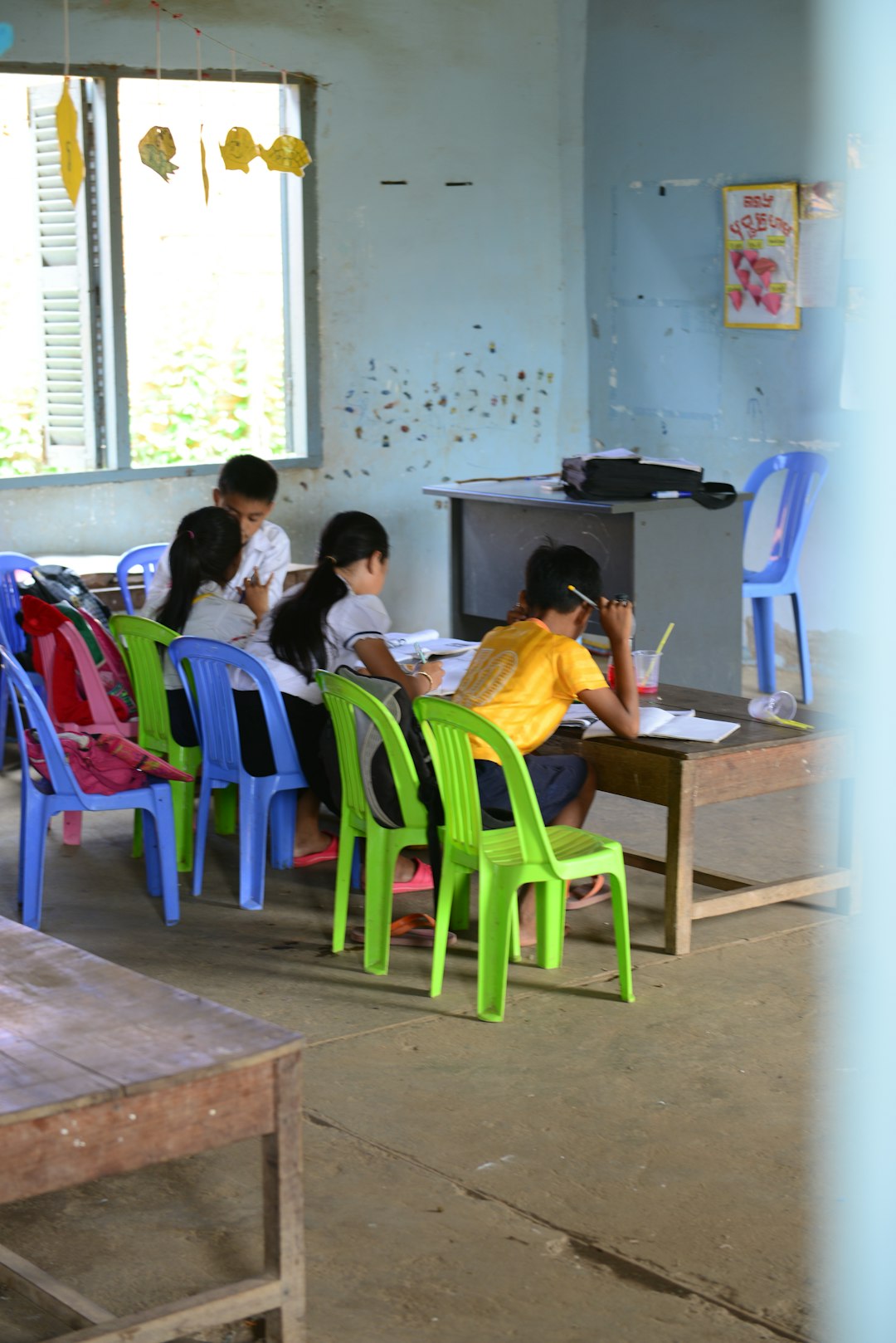
Wow, what a ride through the vibrant world of gamification in education! From understanding the roots and core mechanics to exploring real-world examples and future trends, you’re now armed with the insights to transform your classroom or learning environment into a dynamic, engaging playground of knowledge.
Wrapping Up the Essentials
- Gamification is a powerful tool to boost motivation, engagement, and retention without sacrificing educational rigor.
- Thoughtful design is key: align game elements with learning goals, balance competition and collaboration, and provide meaningful feedback.
- Start small, experiment, and iterate—gamification is a journey, not a one-time fix.
- Leverage proven platforms like Kahoot!, Classcraft, and MinecraftEdu to jumpstart your gamification efforts.
- Keep an eye on emerging tech like AI and VR to stay ahead of the curve.
Final Thought from Gamification Hub™
Gamification isn’t just about making learning fun—it’s about making learning effective and memorable. When done right, it empowers students to take ownership of their education, fosters community, and cultivates skills that extend far beyond the classroom walls.
So, are you ready to level up your teaching game? The quest awaits, and we’re here cheering you on every step of the way!
Recommended Links 🔗
Ready to dive in? Check out these top tools and resources to gamify your educational experience:
- Kahoot!: Amazon Search for Kahoot! | Official Website
- Classcraft: Amazon Search for Classcraft | Official Website
- Quizizz: Amazon Search for Quizizz | Official Website
- ClassDojo: Amazon Search for ClassDojo | Official Website
- Minecraft Education Edition: Amazon Search for Minecraft Education | Official Website
- Mentimeter: Official Website
Must-Reads on Gamification
- “Reality Is Broken: Why Games Make Us Better and How They Can Change the World” by Jane McGonigal — Amazon Link
- “The Gamification of Learning and Instruction” by Karl M. Kapp — Amazon Link
- “Actionable Gamification: Beyond Points, Badges, and Leaderboards” by Yu-kai Chou — Amazon Link
FAQ: Your Burning Questions Answered 🔥

How can gamification improve student engagement in the classroom?
Gamification transforms passive learning into an active, immersive experience by incorporating elements like points, badges, and challenges that tap into students’ natural desire for achievement and recognition. This approach fosters intrinsic motivation, making students more likely to participate, persist through difficulties, and collaborate with peers. Real-time feedback and visible progress bars keep learners informed and motivated, reducing frustration and boosting confidence.
What are the key elements of an effective gamification strategy in education?
An effective strategy balances several components:
- Clear learning objectives aligned with game mechanics.
- Meaningful rewards such as badges or privileges tied to real achievements.
- Progression systems like levels or quests that scaffold learning.
- Social features encouraging collaboration and healthy competition.
- Personalization allowing learners to choose paths or customize avatars.
- Instant feedback to guide improvement.
- Accessibility ensuring all students can participate regardless of ability or resources.
Read more about “10 Gameful Experience Design Secrets to Boost Engagement in 2025 🎮”
Can gamification be used to support different learning styles and abilities in education?
Absolutely! Gamification’s flexibility allows educators to design multi-modal learning experiences that cater to visual, auditory, kinesthetic, and social learners. For example, narrative quests appeal to verbal learners, interactive simulations engage kinesthetic learners, and leaderboards motivate competitive students. Adaptive platforms like Waggle and Math 180 tailor difficulty to individual skill levels, reducing frustration and supporting mastery at each learner’s pace.
What role does technology play in implementing gamification in educational settings?
Technology is often the enabler that brings gamification to life at scale. Digital platforms provide:
- Automated tracking of points, badges, and progress.
- Real-time feedback through quizzes and interactive activities.
- Rich multimedia content like videos, simulations, and VR.
- Social connectivity for collaboration and competition.
- Data analytics for educators to monitor engagement and outcomes.
However, technology is not mandatory; low-tech gamification (like printed badges or classroom quests) can be highly effective too. The key is to choose tools that fit your context and resources.
Read more about “Which Is Better? 7 Game-Based Learning vs Gamification Facts 🎮 (2025)”
How do I maintain student engagement with gamification over the long term?
Sustaining engagement requires fresh content, evolving challenges, and varied game mechanics. Rotate quests, introduce new rewards, and encourage student input to keep the experience dynamic. Incorporate social elements like team competitions or peer mentoring to build community. Regularly assess and adapt your gamification approach based on student feedback and performance data.
Read more about “Why Is Gamification Controversial? 7 Shocking Truths Revealed 🎮 (2025)”
Are there any risks or downsides to gamification in education?
Yes, if poorly designed, gamification can:
- Overemphasize competition, discouraging some students.
- Create dependency on extrinsic rewards, undermining intrinsic motivation.
- Distract from learning objectives if game elements are gimmicky.
- Exclude students with limited access to technology.
Mitigate these risks by thoughtful design, balancing game elements, and ensuring inclusivity.
Reference Links 📚
- What is Gamification in Education? – Houghton Mifflin Harcourt
- Gamification in Education – University of San Diego
- Introduction to the Use of Gamification in Higher Education: Part 1 – University of Chicago
- Kahoot! Official Website
- Classcraft Official Website
- Minecraft Education Edition
- Waggle Official Website
- Math 180 Program – Houghton Mifflin Harcourt
- Mentimeter Official Website
Ready to transform your educational approach with gamification? Dive into our Educational Gamification category for more expert insights, case studies, and practical tips!