Support our educational content for free when you purchase through links on our site. Learn more
🎯 Gamification in Marketing and Sales: 15 Winning Strategies for 2026

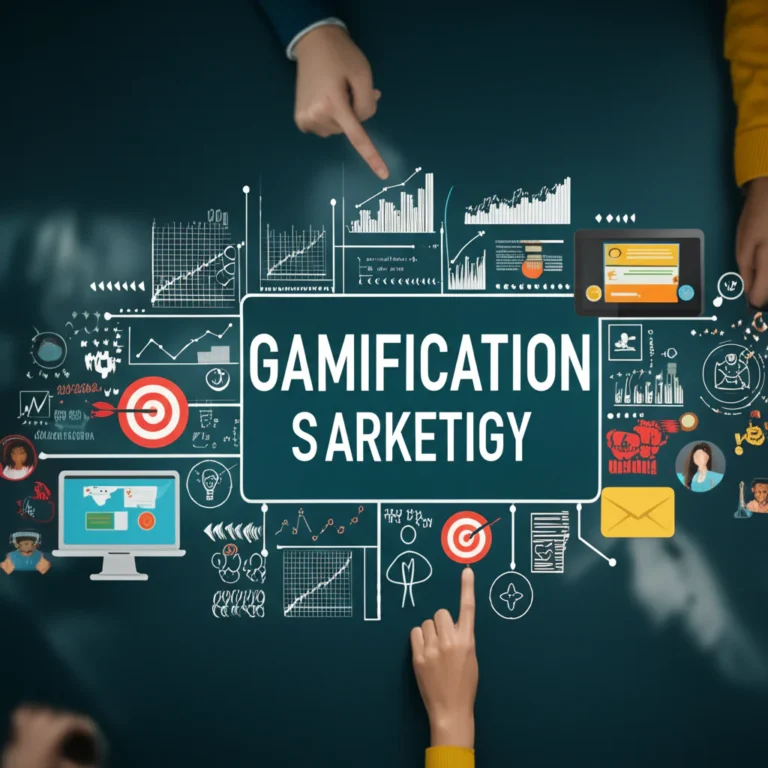
Imagine turning your marketing campaigns into irresistible games that customers love to play — boosting engagement, loyalty, and sales all at once. At Gamification Hub™, we’ve cracked the code on how brands like Starbucks, Nike, and Duolingo use gamification to transform ordinary interactions into addictive quests. Did you know that gamified experiences can increase conversion rates by up to 8% and drive over 50% of sales in some loyalty programs? Intrigued? Stick around as we unpack 15 brilliant gamification examples, reveal the psychology behind why it works, and share expert tips on integrating gamification seamlessly into your marketing funnel.
Whether you’re a marketer looking to captivate your audience or a sales leader aiming to motivate your team, this comprehensive guide will equip you with everything you need to level up your strategy in 2026 and beyond. Ready to play to win? Let’s dive in!
Key Takeaways
- Gamification leverages human psychology—achievement, competition, and social recognition—to boost engagement and conversions.
- Seven core game mechanics like points, badges, leaderboards, and challenges form the foundation of successful gamification strategies.
- Real-world brands such as Starbucks, Nike, and Duolingo demonstrate how gamification drives loyalty and sales.
- Integrating gamification across the marketing funnel—from awareness to advocacy—creates a seamless, rewarding customer journey.
- Measuring KPIs like participation rates, conversion rates, and customer lifetime value is essential for optimizing gamification campaigns.
- Emerging trends like AI-driven personalization, AR/VR experiences, and blockchain rewards will shape the future of gamification marketing.
Ready to transform your marketing and sales with gamification? Keep reading to unlock the secrets!
Table of Contents
- ⚡️ Quick Tips and Facts About Gamification in Marketing and Sales
- 🎮 The Evolution of Gamification: From Game Mechanics to Marketing Magic
- 🤔 What Is Gamification Marketing? Unlocking the Power of Play
- 🧩 7 Key Components of Successful Gamification Marketing Strategies
- 🚀 Why Gamification Marketing Works: Psychology, Engagement & Conversion
- 💡 15 Brilliant Gamification Marketing Examples That Actually Convert
- 🎯 Gamification in Sales: Boosting Revenue and Customer Loyalty
- 📈 How to Integrate Gamification Into Your Marketing Funnel for Maximum Impact
- 🛠️ Top Gamification Tools and Platforms for Marketers and Sales Teams
- 📊 Measuring Success: KPIs and Analytics for Gamification Campaigns
- 🎉 Creative Gamification Campaign Ideas to Inspire Your Next Marketing Push
- 💥 Overcoming Common Pitfalls in Gamification Marketing and Sales
- 🔮 The Future of Gamification in Marketing and Sales: Trends to Watch
- 📚 Recommended Reading and Resources for Gamification Enthusiasts
- ❓ Frequently Asked Questions About Gamification in Marketing and Sales
- 📎 Reference Links and Citations
- 🏁 Conclusion: Level Up Your Marketing with Gamification Today!
⚡️ Quick Tips and Facts About Gamification in Marketing and Sales
Alright, buckle up, fellow marketing adventurers! At Gamification Hub™, we’ve seen firsthand how a sprinkle of play can transform mundane interactions into memorable experiences. Gamification isn’t just a buzzword; it’s a powerful strategy that leverages human psychology to drive engagement, loyalty, and, yes, sales! If you’re wondering what is gamification techniques? and how they can supercharge your efforts, you’re in the right place.
Here are some rapid-fire facts to get your dopamine flowing:
- Engagement Booster: Interactive content, a cornerstone of gamification, can achieve 52.6% more engagement than static content. (Source: OptinMonster) ✅
- Conversion Powerhouse: Gamified experiences have been shown to increase conversion rates by up to 8%. (Source: Mailchimp) 🚀
- Loyalty Driver: Brands like Starbucks see over 50% of their sales driven by their gamified loyalty program. (Source: Mailchimp) ☕
- Marketer’s Favorite: A whopping 93% of marketers believe gamification is a valuable tool for their strategies. (Source: OptinMonster) 🎯
- Attention Grabber: 81% of marketers find gamification more attention-grabbing than traditional methods. (Source: OptinMonster) 👀
- Behavioral Change: Gamification effectively drives desired behaviors, from completing profiles to making repeat purchases. It taps into our innate desire for achievement and recognition. 🏆
- Data Goldmine: Gamified interactions provide rich data on user preferences and engagement patterns, offering invaluable customer insights. 📊
So, if you’re ready to turn your marketing and sales efforts into an addictive quest, keep reading! We’re about to dive deep into how game mechanics can become your secret weapon.
🎮 The Evolution of Gamification: From Game Mechanics to Marketing Magic
Ever wonder where this whole “gamification” thing actually started? It might feel like a modern digital phenomenon, but the truth is, the core principles have been around for ages! Here at Gamification Hub™, we love tracing the lineage of these powerful techniques.
From Trading Stamps to Digital Badges: A Brief History
The concept of rewarding desired behaviors isn’t new. Think about it:
- Late 1800s: Remember those old trading stamps? Companies like S&H Green Stamps offered customers collectible stamps with purchases, which could then be redeemed for goods. This was an early form of a points system, incentivizing repeat business long before the internet was even a twinkle in a scientist’s eye. (Source: Mailchimp)
- Mid-20th Century: Airline frequent flyer programs emerged, rewarding loyalty with tiers, points, and exclusive perks. Sound familiar? It’s a classic gamified loyalty program!
- Early 2000s: The term “gamification” itself gained traction in the early 2000s, but it really exploded with the rise of social media, mobile apps, and the widespread adoption of digital platforms. Suddenly, adding points, badges, and leaderboards to non-game contexts became incredibly easy and effective.
We’ve personally seen this evolution unfold. Back in the day, it was about simple loyalty cards. Now, it’s about intricate digital ecosystems that leverage sophisticated game mechanics to keep users hooked. It’s a testament to the enduring power of play in human motivation.
The Digital Revolution and the Rise of Engagement
The digital age provided the perfect playground for gamification to flourish. With every click, every share, every purchase, there was an opportunity to track, reward, and engage. Companies realized that in a crowded digital landscape, simply having a product wasn’t enough; they needed to make the experience of interacting with their brand fun, memorable, and rewarding.
This shift from passive consumption to active participation is what truly propelled gamification into the marketing and sales spotlight. It’s about turning everyday tasks into mini-quests, transforming customers into players, and making every interaction feel like a step towards a greater achievement. And who doesn’t love a good quest?
🤔 What Is Gamification Marketing? Unlocking the Power of Play
So, we’ve talked about its roots, but what exactly is gamification marketing in today’s fast-paced world? Simply put, it’s the strategic integration of game-design elements and game principles into non-game contexts to engage users and motivate them towards desired behaviors. Think of it as making your marketing campaigns so fun and interactive, your customers want to participate.
The Core Concept: Leveraging Human Psychology
At its heart, gamification marketing taps into fundamental human motivators. As the first YouTube video embedded in this article explains, the core idea is to leverage our intrinsic desires for achievement, recognition, competition, and social connection. When we achieve something, our brain releases dopamine, creating a sense of pleasure and encouraging us to repeat the action. This is the secret sauce!
“Gamification is a strategy that uses game-design elements in non-game contexts to engage users and motivate them towards desired behaviors.” – First YouTube Video
Competitors like OptinMonster define it as “incorporating game-like elements such as points, badges, challenges, and rewards into marketing campaigns to boost customer engagement and motivation.” Mailchimp echoes this, stating it “transforms everyday brand interactions into engaging game-like experiences.” We couldn’t agree more! It’s about turning the mundane into the magnificent.
Why It’s More Than Just “Playing Games”
Now, don’t confuse gamification with simply making a game. While game-based learning and full-blown marketing games exist (and are fantastic!), gamification is often more subtle. It’s about applying the principles that make games so compelling to your existing marketing and sales processes.
It’s not about: ❌ Creating a complex video game for your product. ❌ Forcing users to “play” just for the sake of it. ❌ Distracting from your core message or product.
It is about: ✅ Making onboarding easy and rewarding. ✅ Recognizing user achievements with badges or points. ✅ Offering tangible rewards for desired actions. ✅ Fostering a sense of community and friendly competition.
From our experience at Gamification Hub™, the magic happens when you understand your audience’s motivations and design systems that offer clear value and recognition. It’s about creating an experience where users feel a sense of accomplishment, as OptinMonster rightly points out: “People want to feel a sense of accomplishment. When they complete each task, it feels like they’ve achieved something great.” This feeling is what keeps them coming back for more.
🧩 7 Key Components of Successful Gamification Marketing Strategies
Alright, you’re convinced gamification is the way to go. But how do you actually do it? What are the building blocks? Think of it like assembling a LEGO set – each piece plays a crucial role. At Gamification Hub™, we’ve identified seven core components that are essential for crafting truly engaging and effective gamification marketing strategies. These are the game mechanics that drive user behavior and create that addictive loop.
1. Points: The Universal Scoreboard 🌟
Points are the most fundamental element. They quantify user progress and reward specific actions. Whether it’s making a purchase, sharing content, completing a profile, or leaving a review, points provide immediate feedback and a clear metric of achievement.
- How they work: Users accumulate points for desired actions.
- Why they’re effective: They provide a sense of progress, allow for comparison, and can often be redeemed for rewards.
- Example: Starbucks Rewards gives you “Stars” for every purchase.
2. Badges: Symbols of Achievement 🏅
Badges are visual representations of accomplishments. They serve as digital trophies, recognizing specific milestones or behaviors. They’re fantastic for public recognition and can foster a sense of pride and mastery.
- How they work: Awarded for completing specific tasks, reaching certain levels, or demonstrating expertise.
- Why they’re effective: They provide social recognition, signal status, and motivate users to unlock more.
- Example: Nike+ Run Club awards badges for distance milestones or specific challenges. LinkedIn uses them for profile completeness.
3. Levels: The Path to Mastery ⬆️
Levels indicate progression and mastery within a system. As users accumulate points or complete challenges, they “level up,” unlocking new benefits, content, or status. This creates a clear progression path and a desire to reach the next tier.
- How they work: Users advance through defined stages based on their accumulated points or achievements.
- Why they’re effective: They provide a clear sense of advancement, unlock exclusive perks, and foster long-term engagement.
- Example: Sephora Beauty Insider program has tiers like Insider, VIB, and Rouge, each with increasing benefits.
4. Leaderboards: Fueling Friendly Competition 🏆
Leaderboards display rankings of users based on their performance (points, achievements, activity). They tap into our innate competitive spirit and desire to be recognized among peers.
- How they work: Users are ranked publicly (or privately) based on a specific metric.
- Why they’re effective: They foster competition, encourage higher performance, and provide social proof.
- Example: Duolingo uses leaderboards to show who’s learning the most in a given week.
5. Challenges & Quests: Structured Engagement 🗺️
Challenges and quests are structured tasks or series of tasks that users must complete to earn rewards. They add a narrative element, making interactions feel like a journey or a puzzle to solve.
- How they work: Users are presented with specific goals or missions to accomplish.
- Why they’re effective: They guide users through desired actions, provide a sense of purpose, and can be used to introduce new features or products.
- Example: Domino’s Pizza Hero game challenged users to create pizzas, leading to real orders.
6. Rewards & Incentives: The Tangible Payoff 🎁
While points and badges offer intrinsic rewards, tangible incentives provide an extrinsic motivation. These can be discounts, exclusive content, free products, early access, or even virtual currency.
- How they work: Users receive a valuable item or perk for completing actions or reaching milestones.
- Why they’re effective: They provide a clear, desirable outcome, encouraging users to participate and convert.
- Example: Spin-to-win wheels offer instant discounts or free shipping.
7. Narrative & Storytelling: The Emotional Hook 📖
Often overlooked, a compelling narrative or storyline can tie all these elements together. By framing user interactions within a larger story, you create an emotional connection and a sense of purpose beyond just earning points.
- How they work: Integrate a theme, backstory, or ongoing narrative into your gamified experience.
- Why they’re effective: It makes the experience more immersive, memorable, and relatable, fostering deeper engagement and loyalty.
- Example: Many educational apps use a “journey” or “adventure” theme to guide learners.
By thoughtfully combining these components, you can design a gamified experience that not only captures attention but also drives meaningful results for your marketing and sales objectives. It’s about understanding the psychology behind play and applying it strategically!
🚀 Why Gamification Marketing Works: Psychology, Engagement & Conversion
We’ve seen the components, but let’s get to the why. Why does gamification marketing consistently deliver such impressive results? It’s not just about making things “fun” – it’s rooted deeply in human psychology and our innate drives. At Gamification Hub™, we’re fascinated by the behavioral science behind these techniques.
The Psychology of Play: Tapping into Intrinsic Motivators
The magic of gamification lies in its ability to tap into our intrinsic motivators – those internal desires that drive us without external rewards. As the first YouTube video highlights, it’s about leveraging the brain’s release of dopamine in response to pleasure and reward.
Here’s a breakdown of the psychological triggers:
- Sense of Achievement: We all love to feel accomplished. Points, badges, and levels provide immediate feedback that we’re making progress and achieving goals. This feeling of mastery is incredibly satisfying. OptinMonster emphasizes this: “People want to feel a sense of accomplishment. When they complete each task, it feels like they’ve achieved something great.”
- Recognition & Status: Humans are social creatures who crave recognition. Leaderboards, public badges, and VIP tiers fulfill this need, giving users a sense of status and importance within a community.
- Competition: A little friendly competition can be a powerful motivator. Leaderboards and challenges encourage users to strive harder, not just for the reward, but for the thrill of outperforming others.
- Autonomy & Control: Gamified experiences often give users choices and control over their journey, fostering a sense of agency that is inherently motivating.
- Belonging & Community: Many gamified systems build communities around shared goals or interests, fulfilling our need for social connection. As the first YouTube video wisely notes, “The greatest incentive is not money but a sense of community.”
- Curiosity & Exploration: Games often encourage exploration and discovery, and gamification can do the same, making the user journey more engaging and less predictable.
The Ripple Effect: Enhanced Engagement, Loyalty, and Conversions
When you successfully tap into these psychological drivers, the benefits cascade across your entire marketing and sales funnel:
1. Skyrocketing Engagement and Attention 📈
- Interactive Content Wins: Traditional marketing can feel like a monologue. Gamification turns it into a dialogue. OptinMonster reports that interactive content gets 52.6% more engagement. This isn’t surprising; who wants to just read when they can do?
- Increased Time on Site/App: When users are actively participating in challenges, earning points, or exploring new levels, they naturally spend more time interacting with your brand.
- Higher Open Rates & Click-Throughs: Gamified emails or ads often pique curiosity, leading to better open and click rates.
- Marketer Endorsement: It’s not just us; 93% of marketers favor gamification, and 81% find it more attention-grabbing (OptinMonster). The proof is in the pudding!
2. Boosting Customer Loyalty and Retention 💖
- Memorable Experiences: Gamification makes interactions fun and memorable, creating positive brand associations. As Mailchimp states, it “creates memorable, rewarding interactions that stand out amid ad overload.”
- Repeat Business: Loyalty programs with points and tiers incentivize customers to return again and again to earn more rewards and maintain their status.
- Brand Advocacy: Engaged and rewarded customers are more likely to become brand advocates, sharing their positive experiences and referring new customers.
- Enhanced Experience: Brame highlights that gamification “enhances customer experience by making interactions more engaging.” Happy customers stick around!
3. Driving Conversion Rates and Sales 💰
- Motivating Action: Gamification creates urgency (e.g., expiring points) and clear incentives, pushing users to complete desired actions, whether it’s signing up, making a purchase, or filling out a form. Mailchimp notes it can increase conversion rates by up to 8%.
- Lead Generation: Spin-to-win wheels and interactive quizzes are fantastic for capturing leads in an enjoyable way.
- Sales Uplift: Brands like Ford have seen an $8 million sales increase directly tied to gamified campaigns (OptinMonster). Verizon saw 50% of users engaged after gamification. These aren’t small numbers!
- Data-Driven Insights: As Brame points out, gamification “improves data collection and customer insights via interactive activities,” allowing you to refine your strategies for even better conversion.
In essence, gamification works because it aligns your business goals with your customers’ innate desires for fun, achievement, and reward. It transforms passive consumers into active participants, creating a win-win for everyone involved.
💡 15 Brilliant Gamification Marketing Examples That Actually Convert
Alright, enough theory! You want to see gamification in action, right? We’ve scoured the digital landscape and pulled together some of the most brilliant, conversion-driving examples from real brands. While our competitors listed a few, we’re going for a baker’s dozen plus two to give you a truly comprehensive look! These aren’t just pretty ideas; they’re proven strategies that leverage behavior science to get results.
1. Starbucks Rewards: The Gold Standard of Loyalty ☕
- What they do: Customers earn “Stars” for every purchase, progressing through “Green” and “Gold” levels, unlocking free drinks, personalized offers, and birthday rewards.
- Why it works: Clear progression, tangible rewards, and a sense of exclusivity. It makes every coffee run feel like a step towards a free treat.
- Impact: Over 50% of Starbucks’ sales are driven by this program. (Source: Mailchimp)
- Learn more: Starbucks Rewards Official Website
2. Nike+ Run Club: Community & Achievement on the Go 🏃 ♀️
- What they do: The app tracks runs, offers guided runs, and awards badges for distance milestones, personal bests, and completing challenges. Users can compete on leaderboards and share achievements.
- Why it works: Taps into achievement, competition, and community. It makes running more engaging and provides social recognition.
- Impact: Fosters immense brand loyalty and encourages consistent use of Nike products.
- Learn more: Nike Run Club Official Website
3. Duolingo: Language Learning as a Daily Quest 🦉
- What they do: Users earn XP (experience points) for completing lessons, level up, compete on weekly leaderboards, earn virtual coins (“Lingots”) to buy in-app items, and receive streak rewards.
- Why it works: Brilliant use of points, levels, leaderboards, and streaks to make learning addictive. It turns a challenging task into a daily game.
- Impact: Millions of daily active users, proving gamification can drive consistent engagement for complex tasks.
- Learn more: Duolingo Official Website
4. Sephora Beauty Insider: Tiered Rewards for Beauty Lovers 💄
- What they do: A multi-tiered loyalty program (Insider, VIB, Rouge) where spending earns points and unlocks exclusive perks like free makeovers, early product access, and special events.
- Why it works: Creates a strong sense of aspiration and exclusivity. The higher the tier, the better the benefits, encouraging increased spending.
- Impact: Drives significant repeat purchases and customer lifetime value.
- Learn more: Sephora Beauty Insider Official Website
5. Domino’s Pizza Hero: Play Your Way to a Real Pizza 🍕
- What they do: An old but gold example! Users could design virtual pizzas in a game, and if they were good enough, they could order their creation for real.
- Why it works: Blended virtual play with real-world utility and reward. It was fun, engaging, and directly led to conversions.
- Impact: Generated massive buzz and direct sales.
- Learn more: Domino’s Official Website
6. McDonald’s Monopoly: From Physical to Digital Fun 🍟
- What they do: A classic promotion where customers collect game pieces on food packaging to win prizes. It successfully transitioned to a digital app, allowing users to scan pieces and track wins.
- Why it works: The thrill of the chase, instant wins, and the potential for big prizes. The digital version made it even easier to participate and track progress.
- Impact: Increased repeat visits and sales during the promotional period.
- Learn more: McDonald’s Official Website
7. Foursquare: Mayorships and Badges for Local Exploration 📍
- What they do: (In its heyday) Users “checked in” to locations, earned points, badges, and could become “Mayor” of a venue by checking in the most.
- Why it works: Tapped into social status, exploration, and friendly competition. It made discovering local businesses a game.
- Impact: Boosted social sharing and encouraged exploration of local businesses.
- Learn more: Foursquare Official Website
8. Verizon: Engaging Employees with Gamified Training 📞
- What they do: Verizon used gamification for employee training, turning learning modules into interactive challenges with points and leaderboards.
- Why it works: Made mandatory training more engaging and effective, boosting knowledge retention and participation.
- Impact: 50% of users engaged with the gamified training. (Source: OptinMonster)
- Learn more: Verizon Official Website
9. Volkswagen China: Crowdsourcing Innovation with a Game 🚗
- What they do: Launched a gamified crowdsourcing platform where users could submit ideas for future car designs and features, earning points and recognition.
- Why it works: Leveraged collective intelligence and creativity by making idea submission a rewarding experience.
- Impact: Over 33 million hits and 120,000 ideas generated. (Source: OptinMonster)
- Learn more: Volkswagen Official Website
10. M&M’s Eye-Spy Pretzel: Viral Engagement Through Play 🍫
- What they do: A simple “find the pretzel among the M&M’s” image puzzle that went viral on social media.
- Why it works: Simple, shareable, and taps into our desire to solve puzzles. It was a low-effort, high-impact engagement piece.
- Impact: Massive social media reach and brand awareness.
- Learn more: M&M’s Official Website
11. LinkedIn Profile Completeness Meter: Guiding User Behavior 💼
- What they do: A progress bar that shows users how complete their profile is and suggests next steps to improve it.
- Why it works: Taps into the desire for completion and achievement. It provides clear guidance and a sense of progress, motivating users to fill out more information.
- Impact: Significantly increased the completeness of user profiles, leading to better user data and networking opportunities.
- Learn more: LinkedIn Official Website
12. Google Local Guides: Rewarding Community Contributions 🗺️
- What they do: Users earn points for contributing to Google Maps (reviews, photos, edits), unlocking levels and perks like early access to Google features or exclusive events.
- Why it works: Motivates users to provide valuable content, improving Google Maps for everyone, by offering recognition and exclusive benefits.
- Impact: Built a massive community of contributors, enhancing the quality and quantity of local information on Google Maps.
- Learn more: Google Local Guides Official Website
13. Waze: Gamified Navigation for Safer Roads 🚗💨
- What they do: Users earn points for reporting traffic, hazards, or police, and can unlock moods and avatars. Leaderboards show top contributors in local areas.
- Why it works: Turns driving into a collaborative game, encouraging users to contribute real-time data that benefits the entire community.
- Impact: Created a highly engaged user base that provides invaluable real-time traffic information.
- Learn more: Waze Official Website
14. MyFitnessPal: Tracking Health with Rewards 🍎
- What they do: Users track food intake and exercise, setting goals and earning virtual rewards or badges for consistency, reaching milestones, and logging meals.
- Why it works: Makes the often-difficult task of health tracking more engaging by providing clear progress, positive reinforcement, and a sense of achievement.
- Impact: Helps users stay motivated and consistent with their health goals, leading to long-term engagement with the app.
- Learn more: MyFitnessPal Official Website
15. OptinMonster’s Spin-to-Win Popups: Instant Gratification for Leads 🎡
- What they do: These interactive popups present visitors with a “spin the wheel” game to win a discount, free shipping, or other offers in exchange for their email address.
- Why it works: Taps into curiosity, instant gratification, and the thrill of winning. It makes lead generation fun and less intrusive.
- Impact: Significantly increases conversion rates for email sign-ups and sales. We’ve seen clients boost their lead capture by over 300% with these!
- Learn more: OptinMonster Official Website
These examples showcase the incredible versatility of gamification. From loyalty programs to crowdsourcing, and from employee training to lead generation, the power of play is undeniable.
🎯 Gamification in Sales: Boosting Revenue and Customer Loyalty
While marketing often gets the spotlight for gamification, let’s not forget its equally powerful role in sales! At Gamification Hub™, we’ve helped numerous sales teams transform their approach, turning quotas into quests and cold calls into captivating challenges. Gamification in sales isn’t just about making work fun; it’s about driving performance, fostering healthy competition, and ultimately, boosting your bottom line.
Motivating Your Sales Team: Internal Gamification 🚀
Think about it: sales can be tough. Rejection, long hours, and constant pressure. What if you could inject some excitement and motivation into that daily grind? That’s where internal sales gamification comes in.
- Sales Contests & Leaderboards: This is the most common application. Create short-term contests around specific metrics (e.g., most calls made, highest conversion rate, biggest deal closed). Display progress on a public leaderboard.
- Why it works: Taps into competition, recognition, and achievement. Salespeople are often highly competitive, and a well-designed leaderboard can ignite that drive.
- Example: A “Deal Hunter” challenge for the sales rep who closes the most new accounts in a month, with a prize like a weekend getaway or a coveted trophy.
- Points & Badges for Activities: Reward not just outcomes, but also key activities that lead to sales.
- Points for: Making X number of cold calls, sending Y personalized emails, completing Z product demos, updating CRM records.
- Badges for: “First Deal Closer,” “CRM Master,” “Demo Dynamo,” “Objection Overcomer.”
- Why it works: Encourages consistent effort and best practices, especially for new reps. It breaks down large goals into manageable, rewarding steps.
- Tiered Progression & Levels: Create a career path within your sales team that’s tied to performance. As reps hit certain sales targets or master new skills, they “level up” to “Senior Account Executive,” “Sales Guru,” or “Revenue Rockstar,” unlocking new responsibilities, training, or even commission structures.
- Why it works: Provides a clear growth path and a sense of professional development, reducing churn and encouraging long-term commitment.
- CRM Gamification: Many modern CRM platforms (like Salesforce or HubSpot) offer built-in gamification features or integrations. These can track activities, award points, and display leaderboards directly within the tools your team already uses.
- Why it works: Seamless integration means less friction and higher adoption of the CRM, leading to better data and more efficient workflows.
Personal Anecdote: I once worked with a B2B sales team that was struggling with CRM adoption. We introduced a simple points system for logging calls, updating opportunities, and closing deals, with weekly leaderboards and a “CRM Champion” badge. Within a month, their data accuracy shot up by 40%, and the team actually enjoyed updating their records! It was a game-changer.
Engaging Customers in the Sales Funnel: External Gamification 🤝
Gamification isn’t just for your internal team; it can also be a powerful tool to move prospects through your sales funnel and build stronger customer relationships.
- Interactive Product Demos/Quizzes: Instead of a static demo, create an interactive experience where prospects “solve a problem” using your product, earning points or unlocking features as they go. Or, a quiz that helps them identify their needs and recommends your solution.
- Why it works: Makes the sales process less about being “sold to” and more about discovery and problem-solving. It’s engaging and personalized.
- Gamified Onboarding for New Customers: Once a sale is made, don’t let the excitement fade! Gamify the onboarding process.
- Example: A “Welcome Quest” for new software users, where completing initial setup steps (e.g., connecting integrations, inviting team members) earns them badges or unlocks advanced tutorials. A progress bar (like LinkedIn’s profile completeness) guides them.
- Why it works: Reduces churn by ensuring customers quickly see value and become proficient with your product. It makes the initial learning curve less daunting.
- Referral Programs with Tiers & Rewards: Turn your existing customers into brand advocates by gamifying your referral program.
- Example: “Referral Royalty” program where customers earn points for each successful referral, unlocking higher tiers with increasing rewards (e.g., larger discounts, exclusive access, free upgrades).
- Why it works: Taps into social sharing and the desire for status, turning satisfied customers into an extension of your sales team.
- Loyalty Programs for Repeat Business: As seen with Starbucks and Sephora, loyalty programs are essentially gamified sales drivers. They incentivize repeat purchases and higher spending by offering points, tiers, and exclusive rewards.
- Why it works: Creates a compelling reason for customers to choose your brand over competitors, building long-term relationships and increasing customer lifetime value.
By strategically applying gamification to both your internal sales processes and your customer journey, you can create a more motivated team, a more engaged customer base, and ultimately, a more profitable business. It’s about making every step of the sales cycle feel like a rewarding achievement!
📈 How to Integrate Gamification Into Your Marketing Funnel for Maximum Impact
Integrating gamification isn’t a “set it and forget it” task; it’s a strategic process that needs to align with your entire marketing funnel. At Gamification Hub™, we advocate for a thoughtful, stage-by-stage approach to ensure maximum impact. Let’s break down how you can weave gamified elements into each phase of your customer’s journey, from initial awareness to becoming a loyal advocate.
Step 1: Awareness – Catching Their Eye 👀
At the top of the funnel, your goal is to grab attention and introduce your brand. Gamification can make your initial touchpoints irresistible.
- Interactive Ads & Social Media Contests:
- Idea: Run a short, engaging quiz on social media (e.g., “Which [Product Type] Are You?”) that leads to a product recommendation. Or a “spot the difference” game in an ad.
- How: Use platforms like Facebook, Instagram, or TikTok for quick, shareable challenges.
- Benefit: Increases reach, brand recall, and drives initial traffic to your site.
- Spin-to-Win Popups:
- Idea: When a new visitor lands on your site, present them with a “Spin the Wheel” popup offering various discounts or freebies in exchange for their email address.
- How: Tools like OptinMonster specialize in this.
- Benefit: Converts passive browsers into leads by offering instant gratification and a fun interaction. This is a fantastic way to capture emails right off the bat!
Step 2: Consideration – Building Interest & Trust 🧠
Once you have their attention, you need to educate them and build interest. Gamification can make this learning process engaging and personalized.
- Product Configurators & Quizzes:
- Idea: For complex products, create a gamified configurator where users “build” their ideal solution, earning points for each customization choice. Or a quiz that helps them identify their specific needs and recommends the perfect product.
- How: Use interactive content platforms or custom development.
- Benefit: Educates users about your offerings in an engaging way, helps them self-qualify, and provides valuable data on preferences.
- Interactive Demos & Tutorials:
- Idea: Instead of a boring video, create an interactive product demo where users click through scenarios, solve challenges, and unlock features.
- How: Use platforms like Storyly for interactive stories or custom-built guided tours.
- Benefit: Increases product understanding, reduces perceived complexity, and builds confidence in your solution.
- Badge Collection for Content Engagement:
- Idea: Reward users with digital badges for reading specific blog posts, watching educational videos, or downloading whitepapers.
- How: Integrate a simple badge system on your content hub.
- Benefit: Encourages deeper exploration of your content, establishing your brand as an authority.
Step 3: Conversion – Driving the Sale 💸
This is where you want them to take action. Gamification can provide that extra nudge.
- Limited-Time Challenges & Flash Sales:
- Idea: “Complete your purchase within the next 24 hours to unlock a bonus reward!” or a “Daily Deal Dash” where prices drop for a limited time, creating urgency.
- How: Use countdown timers, personalized email campaigns, and clear calls to action.
- Benefit: Creates a sense of urgency and fear of missing out (FOMO), accelerating purchase decisions.
- Progress Bars for Checkout/Profile Completion:
- Idea: A visual progress bar during checkout or profile setup (like LinkedIn’s profile completeness meter).
- How: Standard e-commerce or platform features.
- Benefit: Motivates users to complete multi-step processes by showing them how close they are to the finish line, reducing cart abandonment.
- “Unlock a Mystery Discount” at Checkout:
- Idea: Before final payment, offer a chance to “unlock a mystery discount” by clicking a button or solving a simple puzzle.
- How: Integrate with your e-commerce platform.
- Benefit: Adds a fun, unexpected element that can tip hesitant buyers towards conversion.
Step 4: Retention & Loyalty – Keeping Them Coming Back 🔄
The sale isn’t the end; it’s the beginning! Gamification is phenomenal for building long-term customer relationships.
- Loyalty Programs with Tiers & Points:
- Idea: Implement a tiered loyalty program (like Starbucks or Sephora) where customers earn points for purchases, referrals, and engagement, unlocking higher status and exclusive perks.
- How: Use dedicated loyalty platforms or CRM integrations.
- Benefit: Incentivizes repeat purchases, increases customer lifetime value, and fosters a sense of belonging.
- Post-Purchase Challenges:
- Idea: After a purchase, challenge customers to “master” their new product by completing specific tasks (e.g., “Share your first project,” “Leave a review,” “Connect with our community”). Reward them with points or badges.
- How: Email automation, in-app notifications.
- Benefit: Drives product adoption, encourages user-generated content, and reduces post-purchase dissonance.
- Community Leaderboards & User-Generated Content Rewards:
- Idea: Create a community forum where active members earn points for answering questions, sharing tips, or creating content. Display top contributors on a leaderboard.
- How: Forum software with gamification plugins.
- Benefit: Builds a vibrant community, provides peer support, and generates valuable user content.
Step 5: Advocacy – Turning Customers into Champions 📣
Your most loyal customers can become your biggest advocates. Gamification can supercharge this.
- Referral Programs with Bonus Rewards:
- Idea: Offer escalating rewards for successful referrals. “Refer 1 friend, get 10% off. Refer 3, get 20% off. Refer 5, get a free product!”
- How: Referral marketing platforms.
- Benefit: Motivates customers to spread the word, leveraging word-of-mouth marketing.
- “Brand Ambassador” Programs:
- Idea: Identify your top advocates and invite them to an exclusive “Brand Ambassador” program where they earn points for social shares, reviews, and testimonials, unlocking VIP access or unique experiences.
- How: Invitation-only program with a dedicated portal.
- Benefit: Formalizes and amplifies the advocacy of your most passionate customers.
By thoughtfully applying gamification at each stage, you’re not just adding “fun”; you’re strategically guiding your customers through a rewarding journey that benefits both them and your business. It’s about creating an experience so engaging, they can’t help but move forward.
🛠️ Top Gamification Tools and Platforms for Marketers and Sales Teams
Alright, you’re buzzing with ideas, but how do you actually implement all this gamification goodness without becoming a game developer overnight? Fear not! The market is brimming with fantastic tools and platforms designed to make gamification accessible for marketers and sales professionals. At Gamification Hub™, we’ve tested many of these, and here are some of our top picks.
1. OptinMonster: Lead Generation & On-Site Engagement 🚀
We’ve mentioned them before, and for good reason! OptinMonster is a powerhouse for on-site gamification, particularly for lead generation and conversion rate optimization.
- Key Features:
- Spin-to-Win Wheels: Easily create customizable popups that offer visitors a chance to win discounts, free shipping, or other incentives in exchange for their email.
- Campaign Triggers: Advanced targeting rules (exit-intent, scroll, time-on-page) ensure your gamified campaigns appear at the perfect moment.
- Gamified Popups: Beyond wheels, you can create interactive quizzes or surveys that feel like a game.
- Why we love it: It’s incredibly user-friendly, requires no coding, and has a proven track record of boosting conversions. It’s perfect for quickly adding a gamified element to your website.
- 👉 CHECK PRICE on: OptinMonster Official Website
2. Loyalty & Rewards Platforms: Building Customer Lifetime Value 💖
For robust loyalty programs, dedicated platforms are essential.
- Smile.io:
- Key Features: Comprehensive points, referral, and VIP programs. Easy integration with e-commerce platforms like Shopify, BigCommerce, and WooCommerce. Customizable branding.
- Why we love it: It’s a complete solution for building sophisticated loyalty programs that drive repeat purchases and referrals.
- 👉 CHECK PRICE on: Smile.io Official Website
- LoyaltyLion:
- Key Features: Advanced loyalty programs with personalized rewards, tiered VIP levels, and data-driven insights. Focus on increasing customer lifetime value.
- Why we love it: Offers deeper analytics and more customization for brands looking for a premium loyalty solution.
- 👉 CHECK PRICE on: LoyaltyLion Official Website
3. Interactive Content & Quiz Makers: Engaging Your Audience 🧠
These tools help you create quizzes, polls, and interactive experiences that capture attention and data.
- Typeform:
- Key Features: Beautifully designed, conversational forms, quizzes, and surveys. Highly engaging user experience.
- Why we love it: Makes data collection feel less like a chore and more like an interactive conversation. Great for lead qualification and content engagement.
- 👉 CHECK PRICE on: Typeform Official Website
- Outgrow:
- Key Features: Build interactive calculators, quizzes, recommendations, chatbots, and surveys. Strong focus on lead generation and personalization.
- Why we love it: Offers a wide range of interactive content types, making it versatile for different marketing goals.
- 👉 CHECK PRICE on: Outgrow Official Website
4. Employee & Sales Gamification Platforms: Motivating Your Team 🏆
For internal sales and employee engagement, these tools are invaluable.
- Salesforce Sales Cloud (with Gamification Add-ons):
- Key Features: While Salesforce is a CRM, its ecosystem includes numerous gamification apps (e.g., Ambition, LevelEleven) that integrate directly to gamify sales activities, track performance, and run contests.
- Why we love it: Leverages your existing CRM data to create powerful, real-time sales competitions and performance tracking.
- 👉 Shop Salesforce Add-ons on: Salesforce AppExchange
- Spinify:
- Key Features: Real-time leaderboards, TV dashboards, personalized coaching, and motivational alerts for sales teams. Integrates with CRMs and other sales tools.
- Why we love it: Visually engaging and designed specifically to motivate sales teams with instant feedback and recognition.
- 👉 CHECK PRICE on: Spinify Official Website
5. Badge & Achievement Systems: Recognizing Milestones 🏅
If you want to implement a badge system, these can help.
- BadgeOS (WordPress Plugin):
- Key Features: A flexible WordPress plugin that allows you to create and award digital badges and achievements for various user actions on your website.
- Why we love it: Great for content-heavy sites, educational platforms, or communities built on WordPress.
- 👉 CHECK PRICE on: BadgeOS Official Website
- Credly (now Acclaim):
- Key Features: A platform for issuing, managing, and verifying digital credentials and badges. Often used for professional certifications and skill recognition.
- Why we love it: While more formal, it can be adapted for high-value marketing achievements or partner programs.
- 👉 CHECK PRICE on: Credly Official Website
6. Augmented Reality (AR) Platforms: Immersive Experiences 🌍
For those looking to push the boundaries with immersive gamification.
- Snapchat Lens Studio / Spark AR Studio (Facebook):
- Key Features: Tools to create custom AR filters and experiences for Snapchat and Instagram/Facebook.
- Why we love it: Great for creating viral, interactive AR games or treasure hunts that leverage user-generated content.
- Learn more: Snapchat Lens Studio | Spark AR Studio
Choosing the right tool depends on your specific goals, budget, and existing tech stack. Start with your primary objective – is it lead generation, customer loyalty, or internal motivation? Then, explore the tools that best fit that need. Remember, the tool is just an enabler; your creative strategy is what truly makes the gamification shine!
📊 Measuring Success: KPIs and Analytics for Gamification Campaigns
So, you’ve launched your dazzling gamified campaign. 🎉 But how do you know if it’s actually working? As gamification engineers, we at Gamification Hub™ know that without clear metrics, even the most brilliant game can fall flat. Measuring success isn’t just about vanity metrics; it’s about understanding user behavior, optimizing your strategy, and proving ROI. Let’s dive into the key performance indicators (KPIs) and analytics you should be tracking.
The Golden Rule: Define Your Objectives First! 🎯
Before you even think about KPIs, ask yourself: What specific business goal is this gamification campaign designed to achieve?
- Is it to increase website engagement?
- Boost lead generation?
- Improve conversion rates?
- Enhance customer loyalty and retention?
- Drive specific product adoption?
- Motivate your sales team?
Your objectives will dictate which KPIs are most relevant. Trying to measure everything is a recipe for analysis paralysis!
Key Performance Indicators (KPIs) for Gamification Success:
Here are the essential metrics we track, categorized by common objectives:
1. Engagement Metrics 📈
These tell you how much users are interacting with your gamified elements.
- Participation Rate:
- What it is: The percentage of eligible users who engaged with the gamified element (e.g., spun the wheel, completed a challenge, earned a badge).
- Why it matters: High participation indicates your game is appealing and accessible.
- Completion Rate:
- What it is: The percentage of users who started a gamified task (e.g., a quiz, a multi-step challenge) and finished it.
- Why it matters: Shows if your game is well-designed and not too difficult or frustrating. A low completion rate might signal friction.
- Time Spent:
- What it is: Average time users spend interacting with the gamified content or on pages featuring gamified elements.
- Why it matters: More time often correlates with deeper engagement and interest.
- Frequency of Interaction:
- What it is: How often users return to engage with the gamified element (e.g., daily spins, weekly leaderboard checks).
- Why it matters: Indicates stickiness and habit formation.
- Social Shares:
- What it is: Number of times users share their achievements (badges, leaderboard positions, quiz results) on social media.
- Why it matters: Free brand exposure and social proof.
2. Conversion Metrics 💰
These directly link your gamification to business outcomes.
- Lead Conversion Rate:
- What it is: Percentage of users who engaged with a gamified lead magnet (e.g., spin-to-win) and provided their contact information.
- Why it matters: Direct measure of lead generation effectiveness.
- Sales Conversion Rate:
- What it is: Percentage of users who completed a gamified action (e.g., unlocked a discount, completed a product configurator) and then made a purchase.
- Why it matters: The ultimate measure of ROI for sales-focused gamification.
- Average Order Value (AOV):
- What it is: If your gamification offers tiered rewards or encourages higher spending, track if AOV increases.
- Why it matters: Shows if gamification is driving larger purchases.
- Feature Adoption Rate:
- What it is: For product onboarding, the percentage of users who completed gamified steps to adopt key features.
- Why it matters: Ensures customers are getting value from your product, reducing churn.
3. Loyalty & Retention Metrics 💖
These assess the long-term impact on customer relationships.
- Customer Retention Rate:
- What it is: The percentage of customers who continue to engage with your brand over time, especially those participating in loyalty programs.
- Why it matters: Gamification should make customers stickier.
- Customer Lifetime Value (CLTV):
- What it is: The predicted revenue a customer will generate over their relationship with your brand.
- Why it matters: Gamified loyalty programs are designed to increase CLTV.
- Churn Rate:
- What it is: The rate at which customers stop doing business with you.
- Why it matters: Gamification should ideally reduce churn by increasing engagement and satisfaction.
- Referral Rate:
- What it is: Number of new customers acquired through gamified referral programs.
- Why it matters: Measures the effectiveness of turning customers into advocates.
4. Sales Team Performance Metrics (for Internal Gamification) 📊
- Activity Metrics:
- What it is: Number of calls made, emails sent, demos booked, CRM updates completed.
- Why it matters: Gamification often aims to boost these leading indicators.
- Quota Attainment:
- What it is: Percentage of sales reps hitting or exceeding their targets.
- Why it matters: Direct measure of sales performance improvement.
- Sales Cycle Length:
- What it is: Average time it takes to close a deal.
- Why it matters: Gamification can streamline processes and accelerate sales.
- Employee Satisfaction/Motivation:
- What it is: Surveys or feedback on how gamification impacts team morale.
- Why it matters: A motivated team is a productive team.
Tools for Tracking & Analytics 🛠️
- Google Analytics / Adobe Analytics: For website engagement, traffic sources, conversion goals.
- CRM Systems (Salesforce, HubSpot): For tracking sales activities, lead conversions, and customer data.
- Marketing Automation Platforms (Mailchimp, HubSpot): For email open rates, click-throughs, and campaign performance.
- Dedicated Gamification Platforms (Smile.io, OptinMonster): Often have built-in dashboards for their specific gamified elements.
- A/B Testing Tools: Essential for testing different gamified elements and optimizing for performance.
Our Recommendation: Start small, pick 2-3 core KPIs directly tied to your primary objective, and track them rigorously. Iterate, test, and optimize. Gamification is an ongoing journey, not a one-time destination!
🎉 Creative Gamification Campaign Ideas to Inspire Your Next Marketing Push
Feeling inspired by all those examples and tools? Great! Now, let’s get those creative juices flowing with some fresh, actionable gamification campaign ideas. At Gamification Hub™, we believe the best campaigns are those that are unique, relevant to your brand, and genuinely fun. Forget generic points systems; let’s think outside the box!
1. The “Brand Story Quest” for Onboarding 🗺️
- Idea: Turn your brand’s “About Us” page or new customer onboarding into an interactive story. Users complete small tasks (e.g., “Find our founder’s first product,” “Watch a short video about our mission,” “Answer a trivia question about our values”) to unlock chapters of your brand’s history or product features.
- Rewards: Unlock exclusive content, a “Brand Explorer” badge, or a small discount on their first purchase.
- Why it works: Makes learning about your brand engaging and memorable, building a deeper connection from the start.
2. “Community Creator” for User-Generated Content 📸
- Idea: Challenge users to create and share content related to your product or service. For example, a fashion brand could ask for “Outfit of the Day” photos, a food brand for “Recipe Remix” videos, or a software company for “Productivity Hacks.”
- Rewards: Points for submissions, badges for specific content types, leaderboards for most likes/shares, and featured spots on your social media or website.
- Why it works: Generates authentic user content, fosters community, and provides social proof.
3. “Eco-Warrior Challenge” for Sustainability Initiatives ♻️
- Idea: If your brand has sustainability goals, gamify customer participation. Challenge users to reduce their carbon footprint, recycle products, or choose eco-friendly options.
- Rewards: “Green Guardian” badges, points that can be redeemed for donations to environmental charities, or discounts on sustainable products.
- Why it works: Aligns with growing consumer values, encourages positive behavior, and enhances brand reputation.
4. “Skill Tree” for Product Mastery 🌳
- Idea: For complex software or a product with many features, create a “skill tree” similar to those in RPGs. Users unlock new skills (features) by completing tutorials, using specific functions, or passing mini-quizzes.
- Rewards: “Mastery” badges for each branch, access to advanced features, or personalized tips.
- Why it works: Guides users through product adoption, reduces frustration, and ensures they get the most value from your offering.
5. “Mystery Box Monday” for Email Engagement 📦
- Idea: Once a week, send an email with a “Mystery Box” link. Clicking it reveals a random, time-limited offer (e.g., 10% off, free shipping, a small gift with purchase).
- Rewards: The surprise discount/offer.
- Why it works: Creates anticipation and urgency, boosting email open rates and click-throughs. The element of surprise is a powerful motivator.
6. “Local Legend” for Brick-and-Mortar Stores 📍
- Idea: For physical businesses, use a simple check-in system (like Foursquare used to) or a QR code scan. Reward customers for repeat visits, trying new menu items, or bringing friends.
- Rewards: “Local Legend” status, exclusive in-store discounts, a free item after X visits, or a personalized shout-out.
- Why it works: Drives foot traffic, encourages repeat business, and builds a loyal local customer base.
7. “Feedback Frenzy” for Customer Insights 🗣️
- Idea: Gamify your feedback collection. Instead of a boring survey, create a short, interactive “feedback game” where users earn points for honest answers or unlock a “Voice of the Customer” badge.
- Rewards: Points, small discounts, or entry into a prize draw.
- Why it works: Increases survey completion rates and provides valuable customer insights in a more enjoyable way.
8. “Choose Your Own Adventure” Product Discovery 📖
- Idea: Create an interactive “Choose Your Own Adventure” story on your website where choices lead to different product recommendations or scenarios.
- Rewards: Personalized product suggestions, a discount code at the end, or a downloadable guide.
- Why it works: Highly engaging, personalized, and helps users discover products that truly fit their needs.
9. “Referral Roulette” for Advocacy 🎰
- Idea: For every successful referral, the referrer gets a “spin” on a digital roulette wheel to win a bonus reward (e.g., extra discount, gift card, exclusive product).
- Rewards: Random, exciting bonus rewards for successful referrals.
- Why it works: Adds an element of chance and excitement to your referral program, encouraging more sharing.
10. “Holiday Hunt” with Augmented Reality (AR) 🎄
- Idea: During a holiday season, launch an AR-based scavenger hunt in a specific geographical area or even virtually on your website. Users use their phone cameras to find hidden virtual items or characters.
- Rewards: Discounts, exclusive digital content, or entry into a grand prize draw for finding all items.
- Why it works: Cutting-edge, highly immersive, and generates massive buzz. Think Pokémon Go, but for your brand!
When designing your campaign, always remember: keep it simple, keep it relevant, and keep it fun! The goal is to create a positive, memorable experience that naturally aligns with your brand and encourages desired actions. What adventure will you create next?
💥 Overcoming Common Pitfalls in Gamification Marketing and Sales
Gamification is powerful, but it’s not a magic bullet. Just like any strategy, it has its traps. At Gamification Hub™, we’ve seen brilliant ideas falter because of common mistakes. The good news? Most pitfalls are entirely avoidable with careful planning and a deep understanding of your audience. Let’s shine a light on these potential stumbling blocks and how to navigate them.
1. The “Gamification for Gamification’s Sake” Trap ❌
- The Pitfall: You’re excited about gamification, so you slap on points and badges without a clear purpose. It feels tacked on, irrelevant, and quickly becomes annoying.
- Our Anecdote: We once saw a company add a “level-up” system to their blog comments. Users earned points for commenting, but there was no real reward or community, so it just felt like noise.
- The Fix: Always start with your business objectives. What specific problem are you trying to solve? What behavior do you want to drive? Gamification should serve a purpose, not be the purpose. As Brame emphasizes, “Successful implementation requires understanding target audience motivations.”
- ✅ Action: Define clear KPIs (as discussed in the previous section) before designing any game mechanics.
2. Irrelevant or Unattainable Rewards 🎁
- The Pitfall: Your rewards don’t motivate your audience, or they’re so difficult to earn that users give up. Offering a 5% discount after 100 purchases might not cut it.
- The Fix: Know your audience and what truly motivates them.
- ✅ Action: Conduct surveys or focus groups to understand desired rewards. Are they looking for discounts, exclusive content, social recognition, or something else? Make rewards meaningful and achievable. Consider a mix of intrinsic (badges, status) and extrinsic (discounts, freebies) rewards.
3. Over-Gamification or Excessive Complexity 🤯
- The Pitfall: Too many rules, too many points, too many badges, too many leaderboards. Users get overwhelmed, confused, and disengage.
- The Fix: Keep it simple and intuitive. The best gamification feels natural, not like a chore.
- ✅ Action: Start with one or two core game mechanics. Test, iterate, and gradually add complexity if it enhances the experience. The user journey should be clear and easy to understand.
4. Ignoring the Target Audience’s Motivations 🤷 ♀️
- The Pitfall: You design a competitive leaderboard for an audience that values collaboration, or a complex quest for users who prefer instant gratification.
- The Fix: Deeply understand your user base. What are their demographics, psychographics, and existing behaviors?
- ✅ Action: Create detailed user personas. Tailor your game mechanics to their specific desires. For example, a younger, tech-savvy audience might love AR treasure hunts, while an older demographic might prefer a straightforward loyalty points system.
5. Lack of Ongoing Engagement & Freshness stale 💨
- The Pitfall: You launch a campaign, it gets initial traction, and then you let it stagnate. The novelty wears off, and engagement plummets.
- The Fix: Gamification is an ongoing process, not a one-off event.
- ✅ Action: Plan for new challenges, seasonal events, updated rewards, and fresh content. Keep the experience dynamic. Regularly analyze data to see what’s working and what needs a refresh.
6. Unfair or Opaque Systems ⚖️
- The Pitfall: Users perceive the game as rigged, unfair, or that the rules aren’t clear. This erodes trust and leads to frustration.
- The Fix: Transparency and fairness are paramount.
- ✅ Action: Clearly communicate the rules, how points are earned, how rewards are redeemed, and how leaderboards are calculated. Ensure everyone has an equal chance to succeed.
7. Poor Integration with Existing Systems 🧩
- The Pitfall: Your gamified elements don’t seamlessly integrate with your website, CRM, or marketing automation, leading to a disjointed user experience or data silos.
- The Fix: Plan for technical integration from the start.
- ✅ Action: Choose tools that play well with your existing tech stack (e.g., loyalty platforms that integrate with your e-commerce platform, CRM add-ons for sales gamification). A smooth user experience is key.
By being mindful of these common pitfalls, you can design gamification campaigns that are not only engaging and fun but also strategically effective, driving real results for your marketing and sales efforts. It’s about playing smart, not just playing hard!
🔮 The Future of Gamification in Marketing and Sales: Trends to Watch
The world of gamification is constantly evolving, much like a living, breathing game itself! What was cutting-edge yesterday is standard today. At Gamification Hub™, we’re always peering into our crystal ball (and analyzing tons of data!) to spot the next big trends. If you’re looking to stay ahead of the curve, here’s what we believe will shape the future of gamification in marketing and sales.
1. Hyper-Personalization Driven by AI 🤖
- The Trend: Generic gamification is out; highly personalized experiences are in. AI will play a crucial role in analyzing user data (preferences, behaviors, past interactions) to dynamically adapt game mechanics and rewards.
- What it means for you: Imagine a loyalty program that automatically suggests challenges tailored to your past purchases or interests, or a sales gamification system that adapts goals based on individual rep performance and learning style.
- Why it’s exciting: It makes gamification feel less like a system and more like a personal coach or companion, maximizing engagement and relevance.
2. Deeper Integration with Augmented Reality (AR) & Virtual Reality (VR) 🌍
- The Trend: While AR/VR gamification exists (think Pokémon Go), its integration into marketing and sales will become more sophisticated and accessible.
- What it means for you: AR treasure hunts in physical stores, virtual showrooms where customers “earn” discounts by interacting with products, or VR training simulations for sales teams that feel like real-world scenarios.
- Why it’s exciting: Offers incredibly immersive and memorable experiences that blur the lines between the digital and physical worlds, creating powerful brand connections.
3. Ethical Gamification & “Gamification for Good” 🌱
- The Trend: As gamification becomes more prevalent, there’s a growing focus on ethical design. This means moving away from manipulative tactics and towards systems that genuinely empower users and promote positive behaviors.
- What it means for you: Campaigns that encourage sustainable choices, promote well-being, or contribute to social causes. Transparency in data usage and reward systems will be paramount.
- Why it’s exciting: Builds trust, enhances brand reputation, and aligns with consumer demand for socially responsible businesses.
4. Blockchain & NFTs for Verifiable Rewards & Ownership 🔗
- The Trend: The underlying technology of cryptocurrencies and NFTs (Non-Fungible Tokens) offers new possibilities for digital rewards and ownership.
- What it means for you: Unique, verifiable digital badges or collectibles (NFTs) that users truly “own,” decentralized loyalty points that can be exchanged across different brands, or transparent reward systems.
- Why it’s exciting: Adds a layer of authenticity, scarcity, and value to digital rewards, potentially creating entirely new economies around brand loyalty.
5. Gamified Micro-Learning & Skill Development 🎓
- The Trend: Beyond traditional training, gamification will increasingly be used for continuous micro-learning, both for employees and customers.
- What it means for you: Short, interactive quizzes or challenges to teach customers about new product features, or daily “skill sprints” for sales reps to hone specific techniques.
- Why it’s exciting: Makes learning enjoyable, digestible, and highly effective, leading to better product adoption and employee performance.
6. Voice-Activated Gamification 🗣️
- The Trend: With the rise of smart speakers and voice assistants, gamified interactions will extend beyond screens.
- What it means for you: Voice-activated quizzes, interactive stories, or challenges that users can engage with through devices like Amazon Echo or Google Home, offering a hands-free, conversational experience.
- Why it’s exciting: Opens up new channels for engagement and makes gamification even more integrated into daily life.
The future of gamification in marketing and sales isn’t just about more points or badges; it’s about creating more intelligent, immersive, ethical, and deeply personalized experiences. It’s about leveraging cutting-edge technology to tap into fundamental human desires in ever more compelling ways. Are you ready to play a part in shaping this exciting future?
📚 Recommended Reading and Resources for Gamification Enthusiasts
Alright, fellow gamification gurus! We’ve covered a lot of ground, from the history and psychology to practical examples and future trends. But the journey of mastering gamification never truly ends. At Gamification Hub™, we’re lifelong learners, and we encourage you to be too! If you’re hungry for more knowledge, here are some of our top recommended readings, resources, and communities to keep your skills sharp and your inspiration flowing.
Books to Deepen Your Understanding 📖
- “Actionable Gamification: Beyond Points, Badges, and Leaderboards” by Yu-kai Chou:
- Why we recommend it: This is a foundational text. Yu-kai Chou’s Octalysis Framework is a brilliant way to understand the eight core drives that motivate human behavior. It moves beyond superficial game mechanics to the psychological underpinnings.
- 👉 Shop on: Amazon.com
- “Drive: The Surprising Truth About What Motivates Us” by Daniel H. Pink:
- Why we recommend it: While not strictly about gamification, Pink’s exploration of intrinsic motivation (autonomy, mastery, purpose) is crucial for understanding why gamification works. It’s a must-read for anyone interested in behavior science.
- 👉 Shop on: Amazon.com
- “The Gamification of Learning and Instruction: Game-based Methods and Strategies for Training and Education” by Karl M. Kapp:
- Why we recommend it: If you’re interested in how gamification applies to learning (which often overlaps with marketing and sales onboarding), Kapp is an authority. Great insights into instructional design.
- 👉 Shop on: Amazon.com
- “Nudge: Improving Decisions About Health, Wealth, and Happiness” by Richard H. Thaler and Cass R. Sunstein:
- Why we recommend it: Explores “nudge theory” and how subtle interventions can guide people towards better decisions. This is highly relevant to designing gamified systems that encourage desired behaviors without being coercive.
- 👉 Shop on: Amazon.com
Online Resources & Communities 🌐
- Gamification Co. Blog: A fantastic resource for articles, case studies, and industry news. They often feature insights from leading practitioners.
- Visit: Gamification Co.
- Gamification World Forum: An annual conference and online community that brings together experts and enthusiasts from around the globe. Great for networking and staying updated on trends.
- Visit: Gamification World Forum
- Gamification Hub™ Blog Categories: Of course, don’t forget our own treasure trove of articles!
- Educational Gamification: https://www.gamificationhub.org/category/educational-gamification/
- Gamification Case Studies: https://www.gamificationhub.org/category/gamification-case-studies/
- Game Mechanics: https://www.gamificationhub.org/category/game-mechanics/
- Game-Based Learning: https://www.gamificationhub.org/category/game-based-learning/
- Behavior Science: https://www.gamificationhub.org/category/behavior-science/
- LinkedIn Groups: Search for “Gamification” or “Gamification in Marketing” groups on LinkedIn. These are often active communities for sharing ideas, asking questions, and finding collaborators.
Online Courses & Certifications 🎓
- Coursera / edX: Look for courses on gamification offered by universities. Many platforms offer specialized programs that delve into design principles and practical applications.
- Udemy / Skillshare: More practical, project-based courses often taught by industry practitioners. Great for learning specific tools or techniques.
- Explore: Udemy Gamification Courses
Remember, the best way to learn is by doing! Read, explore, and then apply these concepts to your own marketing and sales challenges. The game is on!
🏁 Conclusion: Level Up Your Marketing with Gamification Today!

Well, there you have it — a full power-up guide to gamification in marketing and sales from the expert engineers at Gamification Hub™! We’ve journeyed through the origins of gamification, dissected its key components, explored why it works so well, and marveled at real-world examples from Starbucks to Duolingo. We even peeked into the future, where AI, AR, and blockchain promise to make gamification smarter, more immersive, and more ethical than ever.
If you’ve been wondering whether gamification is just a flashy gimmick or a serious strategy, the answer is crystal clear: gamification is a proven, psychology-backed method that drives engagement, loyalty, and conversions. It transforms passive consumers into active participants and turns sales teams into motivated champions.
From our experience, the secret sauce lies in understanding your audience’s motivations, choosing the right game mechanics, and integrating gamification thoughtfully into your marketing funnel. Whether you’re spinning wheels with OptinMonster, rewarding loyal customers with Smile.io, or motivating your sales team with Spinify, the key is to keep it simple, relevant, and fun.
Remember the question we teased earlier: How can you turn everyday brand interactions into addictive quests that customers love? The answer is now in your hands. Start small, experiment, measure your KPIs, and iterate. Gamification is not a one-time hack; it’s a journey of continuous engagement and innovation.
So, are you ready to level up your marketing and sales game? The leaderboard is waiting — and your customers are eager to play. 🎮✨
📚 Recommended Links
👉 Shop Gamification Tools & Books:
-
OptinMonster (Spin-to-Win & Gamified Popups):
Amazon Search: OptinMonster | OptinMonster Official Website -
Smile.io (Loyalty & Rewards Platform):
Smile.io Official Website -
LoyaltyLion (Advanced Loyalty Programs):
LoyaltyLion Official Website -
Typeform (Interactive Quizzes & Surveys):
Typeform Official Website -
Outgrow (Interactive Content & Calculators):
Outgrow Official Website -
Spinify (Sales Gamification):
Spinify Official Website -
BadgeOS (Digital Badges for WordPress):
BadgeOS Official Website -
Yu-kai Chou – “Actionable Gamification” (Book):
Amazon.com -
Daniel H. Pink – “Drive: The Surprising Truth About What Motivates Us”:
Amazon.com -
Karl M. Kapp – “The Gamification of Learning and Instruction”:
Amazon.com -
Richard H. Thaler & Cass R. Sunstein – “Nudge”:
Amazon.com
❓ Frequently Asked Questions About Gamification in Marketing and Sales
How does gamification improve customer engagement in marketing?
Gamification improves customer engagement by transforming passive interactions into active, rewarding experiences. By incorporating game elements like points, badges, challenges, and leaderboards, marketers tap into intrinsic human motivators such as achievement, competition, and social recognition. This creates a sense of progress and accomplishment, which releases dopamine and encourages users to keep participating. Interactive content, such as quizzes or spin-to-win wheels, also increases time spent on site and social sharing, making the brand experience more memorable and enjoyable. According to OptinMonster, interactive content can boost engagement by over 50%, proving gamification’s effectiveness in capturing attention and fostering deeper connections.
What are effective gamification strategies for boosting sales?
Effective gamification strategies for sales focus on motivating both customers and sales teams. For customers, loyalty programs with tiered rewards, referral contests, and limited-time challenges create urgency and incentivize repeat purchases. For sales teams, internal gamification tools like leaderboards, points for key activities, and tiered progression systems boost motivation and performance. Integrating gamification into onboarding and product demos also helps customers adopt products faster, reducing churn. The key is aligning game mechanics with desired behaviors and providing meaningful rewards. Tools like Spinify for sales teams and OptinMonster for lead generation have proven success in driving measurable sales growth.
Can gamification increase brand loyalty and repeat purchases?
Absolutely! Gamification is one of the most effective ways to build brand loyalty and encourage repeat business. By rewarding customers for purchases, referrals, and engagement with points and badges, brands create a sense of belonging and status. Tiered loyalty programs, like those from Starbucks and Sephora, make customers aspire to higher levels with exclusive benefits, which increases lifetime value. Gamification also makes the customer journey more enjoyable and memorable, which strengthens emotional connections to the brand. Mailchimp reports that gamified loyalty programs can drive over half of a brand’s sales, highlighting their power in fostering long-term relationships.
What are examples of successful gamification campaigns in marketing?
There are many standout examples of gamification campaigns that have driven impressive results:
- Starbucks Rewards: Points and tiered levels that reward purchases and engagement, driving over 50% of sales.
- Nike+ Run Club: Badges, challenges, and leaderboards that build community and brand loyalty.
- Duolingo: XP points, streaks, and leaderboards that make language learning addictive.
- Domino’s Pizza Hero: A game allowing users to design pizzas that could be ordered in real life, blending fun with sales.
- McDonald’s Monopoly: A classic game that transitioned to digital, increasing repeat visits and engagement.
- OptinMonster’s Spin-to-Win: Interactive popups that boost lead capture and conversions by making offers fun and engaging.
These campaigns succeed because they combine clear goals, meaningful rewards, and engaging mechanics tailored to their audiences.
How can small businesses start implementing gamification without a big budget?
Small businesses can start simple by incorporating basic gamification elements like progress bars, badges, or interactive quizzes using affordable or free tools such as Typeform or WordPress plugins like BadgeOS. Even simple contests or referral programs with small rewards can create excitement. The key is to focus on meaningful, easy-to-understand mechanics that align with your customers’ interests. Starting small allows you to test what resonates before investing in more complex platforms.
What role does data analytics play in optimizing gamification campaigns?
Data analytics is crucial for understanding how users interact with gamified elements, which mechanics drive engagement, and where drop-offs occur. By tracking KPIs such as participation rates, completion rates, conversion rates, and social shares, marketers can identify what works and what needs improvement. Analytics also help personalize experiences, segment users, and refine rewards to maximize impact. Continuous measurement and iteration ensure gamification remains effective and aligned with business goals.
📎 Reference Links and Citations
- OptinMonster: Gamification in Marketing
- Mailchimp: Gamification Marketing Resources
- Brame: What Is Gamification Marketing? | Brame | BRAME Blog
- Starbucks Rewards: https://www.starbucks.com/rewards
- Nike Run Club: https://www.nike.com/nrc-app
- Duolingo: https://www.duolingo.com/
- Sephora Beauty Insider: https://www.sephora.com/BeautyInsider
- Domino’s Pizza Hero (Archived): https://www.dominos.com/
- McDonald’s Monopoly: https://www.mcdonalds.com/
- Salesforce AppExchange: https://appexchange.salesforce.com/
- Spinify: https://spinify.com/
- Smile.io: https://smile.io/
- LoyaltyLion: https://loyaltylion.com/
- Typeform: https://www.typeform.com/
- Outgrow: https://outgrow.co/
- BadgeOS: https://badgeos.org/
- Yu-kai Chou’s Octalysis Framework: https://yukaichou.com/gamification-examples/octalysis-framework/
For further insights, explore the Gamification Hub™ categories on Educational Gamification, Gamification Case Studies, Game Mechanics, Game-Based Learning, and Behavior Science.
Ready to transform your marketing and sales with gamification? Let’s play to win! 🎮