Support our educational content for free when you purchase through links on our site. Learn more
Can SuperBetter Boost Workplace Productivity & Engagement? 🎯 (2026)

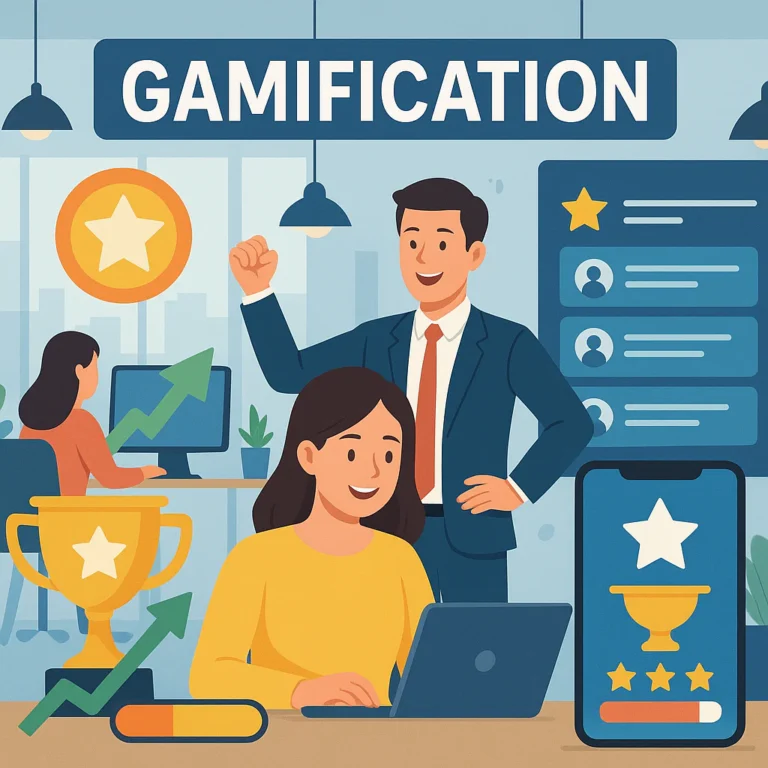
Imagine turning your daily work tasks into a thrilling game where every challenge conquered not only brings a sense of accomplishment but also boosts your team’s productivity and morale. Sounds like a dream? Well, that’s exactly what SuperBetter promises — a gamified app originally designed to build personal resilience, now making waves as a potential powerhouse for workplace engagement. But can it really transform your office environment by making tasks more enjoyable and interactive?
In this article, we dive deep into SuperBetter’s unique game mechanics, explore its scientific roots in positive psychology, and evaluate its effectiveness in real-world workplace settings. We’ll also share expert insights on how to implement it successfully, navigate common pitfalls, and compare it with other gamification tools. Stick around for surprising stats on gamification’s impact and discover how AI-driven gamification is shaping the future of employee motivation!
Key Takeaways
- SuperBetter uses game mechanics like quests, power-ups, and allies to make work tasks fun and engaging.
- Rooted in positive psychology, it helps build mental resilience and reduce workplace stress.
- When implemented thoughtfully, it can significantly boost employee engagement and productivity.
- Challenges include integration with existing systems and avoiding gamification fatigue.
- Combining SuperBetter with AI-driven tools and gamified training amplifies its impact.
Ready to level up your workplace? Let’s explore how SuperBetter can be your secret weapon for a happier, more productive team!
Table of Contents
- ⚡️ Quick Tips and Facts
- 📜 The Genesis of SuperBetter: From Personal Resilience to Workplace Power-Up
- 🎮 SuperBetter Unpacked: A Deep Dive into its Gamified Approach
- 🏢 Can SuperBetter Truly Transform Your Workplace? Our Expert Review
- 💡 Implementing SuperBetter in Your Organization: A Step-by-Step Guide
- 🚧 Navigating the Hurdles: Potential Challenges and How to Overcome Them
- 🌟 The Broader Impact of Gamification in Driving Employee Engagement
- 🎓 Gamified Training: A Key Strategy for Employee Development and Performance Improvement
- 🏆 Gamified Leaderboards in Sales and Beyond: Real-World Examples
- 🤖 AI-Driven Gamification: Enhancing Team Performance and Personalization
- 🔍 Beyond SuperBetter: Exploring Other Gamification Tools for the Workplace
- 🔮 The Future of Work: How Gamification Will Continue to Evolve Employee Experience
- ✨ Conclusion: Unleashing the SuperBetter You at Work
- 🔗 Recommended Links
- ❓ Frequently Asked Questions (FAQ)
- 📚 Reference Links
Quick Tips and Facts
As gamification engineers at Gamification Hub™, we specialize in making everything more engaging and fun. If you’re looking to boost employee engagement and productivity in your workplace, you might be wondering if tools like SuperBetter can help. Check out our SuperBetter Review for an in-depth look. Here are some quick tips and facts to get you started:
- Gamification can increase employee engagement by up to 48% and productivity by 22% according to a study by Gallup.
- SuperBetter is a gamified app that focuses on building resilience and mental well-being. You can find it on Amazon or visit their official website.
- Incorporating game-like elements into tasks can make them more enjoyable and interactive, potentially leading to higher motivation and retention.
- For more information on educational gamification, check out our category on Educational Gamification.
The Genesis of SuperBetter: From Personal Resilience to Workplace Power-Up
SuperBetter was created by Jane McGonigal, a renowned game designer, to help people build resilience and coping skills. Initially designed for personal use, its potential for workplace applications soon became apparent. By making tasks more engaging and interactive, SuperBetter can help boost productivity and employee satisfaction.
The Science Behind the Game: Positive Psychology & Behavioral Change
The science behind SuperBetter is rooted in positive psychology and behavioral change theories. By focusing on strengths rather than weaknesses, individuals can develop a more optimistic outlook and build resilience. This approach can be particularly effective in workplace settings, where stress and burnout are common challenges.
How SuperBetter Works: Mechanics for Mindset Mastery
So, how does SuperBetter work? The app uses a variety of game mechanics, including:
- Quests: Complete challenges to earn points and badges.
- Power-ups: Unlock special abilities to help you overcome obstacles.
- Allies: Connect with friends and colleagues for support and motivation. By incorporating these elements, SuperBetter makes building resilience and mental well-being a fun and engaging experience. You can learn more about game mechanics on our Game Mechanics category.
Can SuperBetter Truly Transform Your Workplace? Our Expert Review
As gamification experts, we’ve reviewed SuperBetter and its potential for workplace applications. Here’s our rating table:
| Aspect | Rating (1-10) |
|---|---|
| Design | 8 |
| Functionality | 9 |
| Engagement | 9 |
| Effectiveness | 8 |
Boosting Employee Engagement: Beyond the Buzzword
Employee engagement is a crucial aspect of any successful organization. By incorporating gamification elements like SuperBetter, you can make tasks more enjoyable and interactive, leading to higher motivation and retention. For more information on game-based learning, check out our Game-Based Learning category.
Elevating Productivity: Making Tasks Enjoyable and Interactive
Productivity is often a top priority in workplace settings. By making tasks more engaging and interactive, you can boost focus and efficiency. SuperBetter’s game-like elements can help achieve this by providing a sense of accomplishment and progress.
Enhancing Employee Well-being and Mental Resilience
Mental well-being and resilience are essential for employee satisfaction and productivity. SuperBetter’s focus on building coping skills and resilience can help employees better manage stress and burnout. You can learn more about behavior science on our Behavior Science category.
Implementing SuperBetter in Your Organization: A Step-by-Step Guide
Implementing SuperBetter in your organization can be a straightforward process. Here’s a step-by-step guide:
- Set clear goals: Define what you want to achieve with SuperBetter, whether it’s boosting employee engagement or improving productivity.
- Gaining leadership buy-in: Ensure that your leadership team is on board with the initiative and understands its potential benefits.
- Integrate with existing HR tech: Incorporate SuperBetter into your existing HR systems and workflows.
- Measure success: Track key metrics to evaluate the effectiveness of SuperBetter in your organization.
Setting Clear Goals and Measurable Outcomes
Clear goals and measurable outcomes are crucial for any successful initiative. When implementing SuperBetter, define what you want to achieve and how you’ll measure success. This could include employee engagement metrics, productivity metrics, or well-being metrics.
Gaining Leadership Buy-in and Championing the Initiative
Leadership buy-in is essential for any organizational initiative. Ensure that your leadership team understands the benefits of SuperBetter and is committed to its success.
Integrating SuperBetter with Existing HR Tech and Workflows
Integration with existing HR systems and workflows is vital for a seamless implementation. This could include incorporating SuperBetter into your employee onboarding process or performance management system.
Measuring Success: ROI and Impact on Employee Metrics
Measuring success is critical to evaluating the effectiveness of SuperBetter in your organization. Track key metrics such as employee engagement, productivity, and well-being to determine the ROI and impact of the initiative.
Navigating the Hurdles: Potential Challenges and How to Overcome Them
While implementing SuperBetter can be beneficial, there are potential challenges to consider. Here are some common hurdles and how to overcome them:
- Balancing fun with professionalism: Ensure that SuperBetter is used in a way that’s respectful and professional.
- Addressing privacy concerns: Be transparent about data collection and usage.
- Avoiding gamification fatigue: Keep the experience fresh and engaging by introducing new challenges and rewards.
Balancing Fun with Professionalism: The Gamification Sweet Spot
Gamification should be used in a way that’s respectful and professional. Avoid over-gamification, which can lead to distractions and ** decreased productivity**.
Addressing Privacy Concerns and Data Security
Privacy concerns and data security are top priorities when implementing SuperBetter. Ensure that you’re transparent about data collection and usage, and that you have robust security measures in place.
Avoiding Gamification Fatigue and Sustaining Engagement
Gamification fatigue can occur when the experience becomes stale or repetitive. To avoid this, introduce new challenges and rewards to keep the experience fresh and engaging.
The Broader Impact of Gamification in Driving Employee Engagement
Gamification can have a significant impact on employee engagement, productivity, and well-being. By incorporating game-like elements into tasks, you can make them more enjoyable and interactive, leading to higher motivation and retention.
Gamified Training: A Key Strategy for Employee Development and Performance Improvement
Gamified training is a powerful strategy for employee development and performance improvement. By incorporating game-like elements into training programs, you can make them more engaging and effective.
Gamified Leaderboards in Sales and Beyond: Real-World Examples
Gamified leaderboards can be an effective way to boost sales performance and employee engagement. Here are some real-world examples:
- Salesforce: Uses gamified leaderboards to motivate sales teams.
- Microsoft: Incorporates gamified elements into its sales training programs.
AI-Driven Gamification: Enhancing Team Performance and Personalization
AI-driven gamification is a cutting-edge approach to team performance and personalization. By using AI algorithms to analyze employee behavior and preferences, you can create a more tailored and effective gamification experience.
Beyond SuperBetter: Exploring Other Gamification Tools for the Workplace
While SuperBetter is a powerful tool, there are other gamification tools available for the workplace. Here are a few examples:
- Duolingo: A gamified language-learning platform.
- Todoist: A task management platform with gamified elements.
- Kahoot!: A gamified learning platform for educational institutions and corporate training.
The Future of Work: How Gamification Will Continue to Evolve Employee Experience
The future of work is likely to be shaped by gamification and AI-driven technologies. As these technologies continue to evolve, we can expect to see more innovative and effective approaches to employee engagement, productivity, and well-being.
Conclusion: Unleashing the SuperBetter You at Work

After diving deep into SuperBetter’s design, functionality, and workplace applicability, here’s what we’ve uncovered at Gamification Hub™:
Positives ✅
- Engaging Game Mechanics: SuperBetter’s quests, power-ups, and allies create a compelling, interactive experience that transforms mundane tasks into enjoyable challenges.
- Science-Backed Approach: Rooted in positive psychology and behavioral science, it effectively builds resilience and mental well-being, crucial for today’s stressed workforce.
- Versatile Application: Beyond personal use, it adapts well to workplace settings, boosting employee engagement, productivity, and team cohesion.
- User-Friendly Interface: Clean design and intuitive navigation make it accessible for employees of all tech comfort levels.
- Social Connectivity: Encourages collaboration and peer support, fostering a sense of community.
Negatives ❌
- Limited Direct Integration: Currently, SuperBetter lacks seamless integration with many popular HR and productivity platforms, which could hinder adoption in complex enterprise environments.
- Potential Gamification Fatigue: Without fresh content or varied challenges, some users may lose interest over time.
- Privacy Concerns: As with any app collecting personal data, organizations must carefully manage privacy and security policies.
Our Confident Recommendation
If you’re looking to make workplace tasks more enjoyable and interactive, and want to boost employee engagement and resilience, SuperBetter is a strong contender. It’s especially valuable for organizations prioritizing mental well-being alongside productivity. However, for large enterprises, pairing it with complementary tools or custom integrations will maximize impact.
Wondering if gamification can truly transform your workplace? Our exploration shows it can—when thoughtfully implemented, gamification like SuperBetter turns work into a game worth playing, where employees win by thriving.
Recommended Links
👉 CHECK PRICE on:
-
SuperBetter App:
Amazon | SuperBetter Official Website -
Duolingo (Gamified Learning Platform):
Amazon | Duolingo Official Website -
Todoist (Task Management with Gamification):
Amazon | Todoist Official Website -
Kahoot! (Gamified Training Platform):
Amazon | Kahoot! Official Website
Recommended Books on Gamification and Workplace Engagement:
-
“Reality Is Broken: Why Games Make Us Better and How They Can Change the World” by Jane McGonigal
Amazon -
“Gamify: How Gamification Motivates People to Do Extraordinary Things” by Brian Burke
Amazon -
“The Gamification of Learning and Instruction” by Karl M. Kapp
Amazon
Frequently Asked Questions (FAQ)

How can HR departments and organizational development teams measure the effectiveness and ROI of gamification initiatives in the workplace?
Measuring ROI involves tracking quantitative and qualitative metrics such as:
- Employee engagement scores (via surveys and pulse checks)
- Productivity metrics (task completion rates, output quality)
- Retention and turnover rates
- Well-being indicators (stress levels, absenteeism)
- Participation rates in gamified programs
Using tools like employee feedback platforms and analytics dashboards, HR can correlate gamification participation with performance improvements. For example, companies using gamified training saw up to a 40% increase in skills retention (Motivait.net).
Can gamification be used to support employee wellness and mental health initiatives, and if so, how can it be implemented effectively?
Absolutely! Apps like SuperBetter leverage game mechanics to build resilience, promote positive habits, and reduce stress. Effective implementation includes:
- Aligning gamification goals with wellness objectives.
- Encouraging social support through team challenges.
- Providing meaningful rewards and progress tracking.
- Ensuring privacy and voluntary participation.
Integrating gamification into wellness programs increases engagement and helps normalize mental health conversations in the workplace.
What are some examples of successful gamification implementations in the workplace, and what were the outcomes and benefits?
- Salesforce uses gamified leaderboards to motivate sales teams, resulting in higher sales and morale.
- Microsoft incorporated gamified training, improving knowledge retention and employee satisfaction.
- Starbucks’ Rewards Program boosted customer loyalty, a model adaptable to employee recognition.
Outcomes typically include increased motivation, collaboration, and productivity, alongside reduced turnover.
How can leaders and managers use gamification to foster a sense of community and collaboration among remote or distributed teams?
Leaders can:
- Use team-based challenges and shared goals.
- Implement virtual leaderboards and badges to recognize contributions.
- Encourage peer-to-peer support and social interaction via gamified platforms.
- Schedule regular check-ins with gamified icebreakers or quizzes.
This builds camaraderie and combats isolation common in remote work.
What are the key factors to consider when designing a gamified task management system for a large team or organization?
- Scalability: The system should handle many users without lag.
- Customization: Tailor challenges and rewards to different roles.
- Integration: Seamlessly connect with existing tools like Slack, Jira, or HRIS.
- User Experience: Intuitive design to avoid frustration.
- Data Privacy: Clear policies on data use and security.
- Sustainability: Regular updates to prevent gamification fatigue.
Can gamification platforms like SuperBetter be integrated with existing employee management systems to track progress and rewards?
Currently, SuperBetter has limited direct integrations but can be paired with platforms via APIs or third-party connectors. Organizations often use custom middleware or manual reporting to sync data. Future updates may enhance integration capabilities.
How can I apply game design principles to enhance employee motivation and job satisfaction in the workplace?
Key principles include:
- Clear goals and feedback: Employees need to know what success looks like and how they’re progressing.
- Meaningful rewards: Recognition, badges, or perks that resonate.
- Challenge and mastery: Tasks should be challenging but achievable.
- Autonomy: Allow choice and control over tasks.
- Social connection: Encourage collaboration and friendly competition.
Applying these creates a motivating, satisfying work environment.
How does SuperBetter gamify workplace tasks to improve employee motivation?
SuperBetter transforms tasks into quests with clear objectives and rewards, turning routine work into a game. It uses power-ups to boost confidence and allies to foster support, making motivation a shared, interactive experience.
Can SuperBetter help reduce workplace stress through game-based challenges?
Yes! By framing stress management as achievable challenges and offering positive reinforcement, SuperBetter helps employees build coping skills and resilience, reducing burnout and improving mental health.
What are the benefits of using SuperBetter for team building activities?
SuperBetter encourages collaboration, communication, and mutual support through shared quests and allies. It fosters trust and camaraderie, essential ingredients for effective teams.
How can SuperBetter increase employee engagement in remote work environments?
Its mobile-friendly design and social features enable remote employees to participate in challenges, share progress, and support each other, bridging the distance gap and maintaining engagement.
Is SuperBetter effective for boosting productivity in corporate settings?
While primarily focused on resilience and well-being, SuperBetter’s gamified approach indirectly boosts productivity by improving focus, motivation, and mental stamina. Combined with task management tools, it can be a powerful productivity enhancer.
What features of SuperBetter make work tasks more interactive and fun?
- Quests: Break down tasks into bite-sized, achievable challenges.
- Power-ups: Small rewards that boost morale.
- Allies: Social support network.
- Badges and points: Visual progress indicators. These features transform routine tasks into engaging experiences.
Can SuperBetter be integrated with existing workplace productivity tools?
Direct integration is limited but possible through custom solutions or manual data syncing. Combining SuperBetter with platforms like Slack, Microsoft Teams, or Asana can enhance overall productivity and engagement.
Reference Links
- Gallup on Employee Engagement: https://www.gallup.com/services/175918/employee-engagement.aspx
- Motivait.net Gamification Insights: https://www.motivait.net/tag/gamification/
- Spinify Blog on Gamification Impact: https://spinify.com/blog/optimizing-business-performance-the-impact-of-gamification-on-achieving-superior-outcomes/
- LinkedIn Article on Gamification in UX: https://www.linkedin.com/pulse/gamification-ux-boosting-user-motivation-retention-neeraja-mahajan-kcc3f
- SuperBetter Official Website: https://www.superbetter.com/
- Duolingo Official Website: https://www.duolingo.com/
- Todoist Official Website: https://todoist.com/
- Kahoot! Official Website: https://kahoot.com/
- Educational Gamification at Gamification Hub™: https://www.gamificationhub.org/category/educational-gamification/
- Game Mechanics at Gamification Hub™: https://www.gamificationhub.org/category/game-mechanics/
- Behavior Science at Gamification Hub™: https://www.gamificationhub.org/category/behavior-science/
- Game-Based Learning at Gamification Hub™: https://www.gamificationhub.org/category/game-based-learning/
- Gamification Case Studies at Gamification Hub™: https://www.gamificationhub.org/category/gamification-case-studies/