Support our educational content for free when you purchase through links on our site. Learn more
12 Game-Changing Gamification Techniques in Education (2025) 🎮

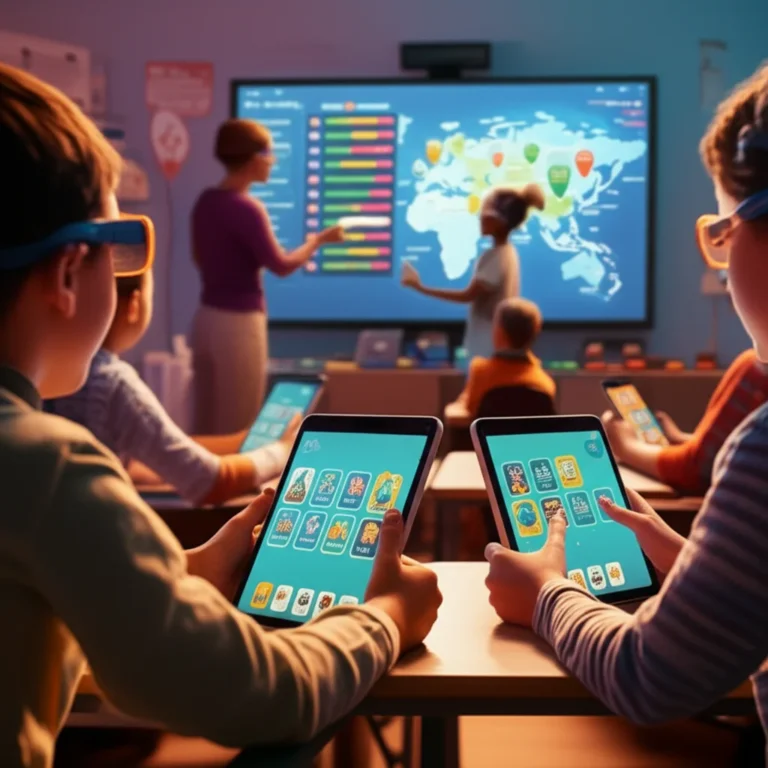
Imagine transforming your classroom into an epic quest where every lesson feels like an adventure, and students eagerly “level up” their skills with enthusiasm. Sounds like a dream, right? Well, it’s not just fantasy — gamification techniques in education are revolutionizing how we teach and learn, making engagement soar by up to 60%! But what exactly are the best strategies to turn your lessons into an irresistible game?
In this comprehensive guide, we uncover 12 powerful gamification techniques that go beyond the usual points and badges. From immersive storytelling and collaborative quests to virtual economies and surprise rewards, we’ll show you how to craft learning experiences that captivate and motivate every student. Plus, we’ll share insider tips from our Gamification Hub™ engineers, real-world success stories, and the top tools to get you started today. Ready to press start on a brighter educational future? Let’s dive in!
Key Takeaways
- Gamification boosts motivation and retention by tapping into the brain’s reward systems with points, badges, leaderboards, and more.
- 12 core techniques include quests, narratives, avatars, immediate feedback, virtual economies, and collaborative challenges — each designed to engage diverse learners.
- Balanced design is crucial: avoid over-competition and shallow rewards to keep all students motivated and included.
- Top platforms like Kahoot!, Classcraft, and Duolingo provide ready-made tools to gamify your classroom effectively.
- Ethical considerations matter: ensure inclusivity, privacy, and transparency while designing gamified experiences.
- Measuring impact through engagement, performance, and feedback helps refine and maximize gamification success.
👉 Shop Gamified Learning Platforms on:
- Kahoot!: Amazon | Official Site
- Classcraft: Amazon | Official Site
- Quizlet: Amazon | Official Site
- Duolingo: Amazon | Official Site
Table of Contents
- ⚡️ Quick Tips and Facts
- 📚 The Playful Pedagogy: A Brief History of Gamification in Learning
- 🚀 Beyond Boredom: Why Gamification is a Game-Changer for Student Engagement and Learning Outcomes
- 🔑 Unlocking Potential: Core Gamification Techniques for the Modern Classroom
- 1. 🏆 Points, Badges, and Leaderboards (PBLs): The Classic Trio
- 2. 🗺️ Quests and Missions: Turning Lessons into Adventures
- 3. 📖 Narrative and Storytelling: Weaving Learning into Epic Tales
- 4. 📈 Progress Bars and Visual Feedback: Seeing the Finish Line
- 5. 👤 Avatars and Personalization: Owning the Learning Journey
- 6. 🤝 Collaborative Challenges: Teamwork Makes the Dream Work
- 7. 💡 Choice and Autonomy: Empowering Student Voice
- 8. 🔄 Immediate Feedback Loops: Learning in Real-Time
- 9. 🔓 Unlockable Content and Levels: The Thrill of Discovery
- 10. 💰 Virtual Economies and Rewards: Beyond Just Grades
- 11. 🎉 Peer Recognition and Social Learning: Celebrating Success Together
- 12. 🎁 Mystery and Surprise Elements: Keeping Things Exciting!
- ✨ The Winning Score: Tangible Benefits of Gamified Education for Students and Educators
- 🚧 Navigating the Minefield: Common Pitfalls and Challenges in Educational Gamification
- 🪜 Level Up Your Classroom: A Step-by-Step Guide to Implementing Gamification Techniques
- 💻 Your EdTech Arsenal: Top Tools and Platforms for Gamified Learning
- ✅ Measuring the XP: How to Assess the Impact and Success of Gamification in Education
- 🏫 Real-World Playbooks: Inspiring Examples of Gamification in Action
- 🔮 The Future is Playful: Emerging Trends in Educational Gamification
- ⚖️ Playing Fair: Ethical Considerations and Best Practices in Gamified Learning
- 🌟 Conclusion: Game On for a Brighter Educational Future!
- 🔗 Recommended Links
- 🤔 FAQ
- 📚 Reference Links
⚡️ Quick Tips and Facts
Welcome to the ultimate playground of gamification in education! Before we dive deep, here are some quick nuggets from our gamification engineers at Gamification Hub™ to get you pumped:
- ✅ Gamification boosts student engagement by up to 60% according to studies by eLearning Industry.
- ✅ Dopamine release triggered by game elements enhances memory retention and focus — your brain literally wants to learn! (Source: Frontiers in Psychology)
- ✅ Points, badges, and leaderboards (PBLs) remain the most popular and effective gamification techniques.
- ✅ Gamification is not just about competition — collaboration and storytelling are equally powerful.
- ✅ The global gamification market is projected to grow at a CAGR of 30%, reaching $31 billion by 2025 (MarketsandMarkets Report).
- ✅ Not all gamification is created equal — poorly designed systems can demotivate learners. Balance is key!
If you want to geek out on how gamification rewires your brain for learning, check out our SuperBetter Book Review: 7 Game-Changing Strategies for 2025 🎮.
Ready to level up? Let’s roll!
📚 The Playful Pedagogy: A Brief History of Gamification in Learning
Gamification isn’t some shiny new toy — it’s a concept with roots stretching back decades. Our team loves tracing its evolution because understanding the past helps us craft better futures.
From Game Theory to Classroom Glory
- Early 2000s: Nick Pelling coined the term “gamification” in 2002, originally to describe adding game-like elements to software interfaces.
- 2000s-2010s: Educators began experimenting with game elements — points, badges, and leaderboards — to motivate learners.
- 2010s: The rise of smartphones and apps like Duolingo and Kahoot! brought gamification mainstream.
- Today: Gamification is a multi-billion-dollar industry, integrated into everything from K-12 classrooms to corporate training.
Why It Took Off
- The realization that traditional education often fails to engage.
- Neuroscience confirming that reward systems in games activate learning centers.
- The explosion of digital platforms enabling scalable gamified experiences.
Our engineers at Gamification Hub™ often say: “Gamification is education’s secret sauce — a sprinkle of fun that makes knowledge stick.” Want to see how that secret sauce works? Keep reading!
🚀 Beyond Boredom: Why Gamification is a Game-Changer for Student Engagement and Learning Outcomes
Let’s face it: traditional lectures can feel like watching paint dry. Gamification flips the script by turning learning into an adventure.
The Science Behind the Magic
- Emotional Engagement: Games tap into emotions, making learning memorable (Neuroscience of Gamification).
- Dopamine Release: Rewards trigger dopamine, enhancing focus and motivation.
- Neuroplasticity: Repeated game challenges strengthen neural pathways, improving cognitive skills.
Real Benefits for Students and Educators
| Benefit | Description | Source/Example |
|---|---|---|
| Increased Motivation | Students want to “level up” and earn rewards. | Duolingo’s language streaks |
| Improved Retention | Interactive challenges help embed knowledge deeper. | Kahoot! quizzes |
| Enhanced Collaboration | Team challenges build social skills and peer learning. | Group quests in Classcraft |
| Immediate Feedback | Real-time scores help learners adjust strategies on the fly. | IF-AT quiz cards |
| Personalized Learning Paths | Gamification allows self-paced, tailored experiences. | Adaptive learning platforms |
Our team’s favorite story: a high school teacher used gamified quizzes to transform a sleepy math class into a buzzing arena of friendly competition — test scores soared by 25% in just one semester!
🔑 Unlocking Potential: Core Gamification Techniques for the Modern Classroom
Ready to get hands-on? Here’s a deep dive into the 12 most powerful gamification techniques you can deploy today, complete with tips from our engineers.
1. 🏆 Points, Badges, and Leaderboards (PBLs): The Classic Trio
Why it works: Points give instant gratification, badges symbolize achievement, and leaderboards spark friendly competition.
Tips:
- Use badges for mastery, not just participation.
- Keep leaderboards inclusive — show nearby ranks to avoid discouragement.
- Combine PBLs with meaningful feedback.
Example: Khan Academy uses badges and points to motivate millions of learners worldwide.
2. 🗺️ Quests and Missions: Turning Lessons into Adventures
Why it works: Quests frame learning as a journey, increasing immersion.
How to implement:
- Break content into “missions” with clear goals.
- Add story elements to create context.
- Reward completion with points or unlocks.
Our engineers love how quests transform dry topics into epic sagas — like turning history lessons into time-travel adventures!
3. 📖 Narrative and Storytelling: Weaving Learning into Epic Tales
Stories are brain candy. They help learners connect emotionally and remember better.
Pro tips:
- Create relatable characters.
- Use cliffhangers to keep learners hooked.
- Integrate choices that affect outcomes.
4. 📈 Progress Bars and Visual Feedback: Seeing the Finish Line
Visual cues like progress bars provide motivation and clarity.
Best practices:
- Show incremental progress.
- Celebrate milestones.
- Combine with notifications.
5. 👤 Avatars and Personalization: Owning the Learning Journey
Allow learners to create avatars or customize profiles.
Benefits:
- Increases emotional investment.
- Supports identity and autonomy.
6. 🤝 Collaborative Challenges: Teamwork Makes the Dream Work
Group quests and challenges foster social learning and peer support.
Try:
- Team leaderboards.
- Cooperative puzzles.
- Peer feedback systems.
7. 💡 Choice and Autonomy: Empowering Student Voice
Gamification shines when learners choose their path.
Implement by:
- Offering multiple quests.
- Allowing skill or topic selection.
- Enabling self-paced progression.
8. 🔄 Immediate Feedback Loops: Learning in Real-Time
Feedback is the breakfast of champions.
Use tools like:
- IF-AT cards for instant quiz feedback.
- Digital platforms with real-time scoring.
9. 🔓 Unlockable Content and Levels: The Thrill of Discovery
Unlocking new content motivates continued engagement.
Tips:
- Tie unlocks to mastery, not just time.
- Use surprises to delight learners.
10. 💰 Virtual Economies and Rewards: Beyond Just Grades
Create in-game currencies learners can spend on perks or customization.
Examples:
- Classcraft’s gold coins.
- Virtual stores with avatar items.
11. 🎉 Peer Recognition and Social Learning: Celebrating Success Together
Social rewards amplify motivation.
Ideas:
- Peer-nominated badges.
- Shout-outs in class or forums.
12. 🎁 Mystery and Surprise Elements: Keeping Things Exciting!
Unexpected rewards or events keep learners curious and engaged.
✨ The Winning Score: Tangible Benefits of Gamified Education for Students and Educators
Gamification isn’t just fun — it delivers measurable results.
For Students
- Higher engagement: Studies show up to 60% increase in participation.
- Better retention: Interactive learning improves memory by 20-30%.
- Improved soft skills: Collaboration and problem-solving flourish.
For Educators
- Easier assessment: Real-time data tracks progress.
- Increased motivation: Less classroom management needed.
- Enhanced creativity: Teachers innovate with game design principles.
Our engineers have seen classrooms transform from “meh” to “heck yeah!” with gamification — it’s like flipping a switch from passive to active learning.
🚧 Navigating the Minefield: Common Pitfalls and Challenges in Educational Gamification
Not all that glitters is gold. Gamification can backfire if done poorly.
Common Issues
| Pitfall | Description | How to Avoid |
|---|---|---|
| Overemphasis on Competition | Can demotivate lower-performing students | Use collaborative elements and tiered leaderboards |
| Shallow Rewards | Points without meaning feel hollow | Tie rewards to mastery and meaningful achievements |
| Complexity Overload | Too many rules confuse learners | Keep mechanics simple and intuitive |
| Ignoring Diversity | One-size-fits-all doesn’t work | Personalize and offer choices |
| Neglecting Feedback | Lack of timely feedback stalls progress | Provide immediate, actionable feedback |
Our team once worked with a school where leaderboards caused anxiety — switching to team challenges and personal progress bars turned the vibe around instantly.
🪜 Level Up Your Classroom: A Step-by-Step Guide to Implementing Gamification Techniques
Ready to roll up your sleeves? Here’s how to start gamifying your classroom like a pro.
Step 1: Define Clear Learning Objectives
- Align gamification goals with curriculum outcomes.
- Decide what behaviors or skills you want to encourage.
Step 2: Choose Appropriate Game Elements
- Pick techniques that fit your students’ age and subject.
- Start simple: points, badges, and progress bars are great starters.
Step 3: Design the Game Mechanics
- Create rules, rewards, and challenges.
- Plan feedback and progression systems.
Step 4: Select Tools and Platforms
- Use platforms like Kahoot!, Classcraft, or Quizlet.
- Consider custom solutions if you have tech support.
Step 5: Pilot and Gather Feedback
- Test with a small group.
- Collect student and teacher input.
Step 6: Iterate and Scale
- Refine based on feedback.
- Expand to more classes or subjects.
Our engineers recommend documenting everything — what works, what flops — so you build a gamification playbook tailored to your unique classroom.
💻 Your EdTech Arsenal: Top Tools and Platforms for Gamified Learning
Choosing the right tech is like picking the perfect game controller — it makes all the difference.
| Platform | Key Features | Best For | Link |
|---|---|---|---|
| Kahoot! | Live quizzes, leaderboards, “ghost mode” | Quick engagement, formative assessment | Kahoot! Official |
| Classcraft | RPG-style classroom management, team quests | Long-term engagement, collaboration | Classcraft Official |
| Quizlet | Flashcards, gamified quizzes | Vocabulary, memorization | Quizlet Official |
| Duolingo | Language learning with points, streaks | Language learners | Duolingo Official |
| Credly | Digital badges and certifications | Recognizing achievements | Credly Official |
| OpenBadges | Open standard for badges | Custom badge creation | OpenBadges |
Our engineers love how Classcraft turns classrooms into immersive RPGs, while Kahoot! is perfect for quick bursts of energy. For language learning, Duolingo remains the gold standard.
👉 Shop Gamified Learning Platforms on:
- Kahoot!: Amazon | Official Site
- Classcraft: Amazon | Official Site
- Quizlet: Amazon | Official Site
- Duolingo: Amazon | Official Site
✅ Measuring the XP: How to Assess the Impact and Success of Gamification in Education
You wouldn’t play a game without a scoreboard, right? Same goes for gamification.
Metrics to Track
- Engagement: Participation rates, time spent on tasks.
- Performance: Test scores, skill mastery.
- Retention: Long-term knowledge recall.
- Motivation: Surveys on learner attitudes.
- Collaboration: Peer interaction metrics.
Tools for Measurement
- Learning Management Systems (LMS) with analytics.
- Built-in platform dashboards (e.g., Kahoot! reports).
- Custom surveys and feedback forms.
Tips from Our Engineers
- Use mixed methods: quantitative data + qualitative feedback.
- Set baseline measurements before gamification starts.
- Monitor continuously and adjust game elements as needed.
🏫 Real-World Playbooks: Inspiring Examples of Gamification in Action
Want proof that gamification works? Here are some shining examples from classrooms and beyond:
1. Duolingo: Language Learning Made Addictive
- Uses streaks, points, and levels.
- Over 500 million users worldwide.
- Boosts daily engagement with bite-sized lessons.
2. Khan Academy: Mastery Through Badges
- Badges reward mastery of topics.
- Leaderboards encourage friendly competition.
- Personalized dashboards track progress.
3. Classcraft: RPG Meets Classroom Management
- Students create avatars.
- Team quests promote collaboration.
- Virtual economy rewards positive behaviors.
4. Payoneer Case Study (via Centrical)
- Corporate training gamified with continuous learning.
- 90% average assessment scores.
- 53% less time spent authoring content.
5. Kahoot! in Schools Worldwide
- Live quizzes spark excitement.
- “Ghost mode” allows practice against past scores.
- Used in millions of classrooms globally.
Our engineers have personally seen how these platforms transform learner attitudes — from “I have to” to “I want to.”
🔮 The Future is Playful: Emerging Trends in Educational Gamification
What’s next in the gamification saga? Here’s what our crystal ball reveals:
Augmented Reality (AR) and Virtual Reality (VR)
- Immersive experiences that blend real and virtual worlds.
- Examples: AR scavenger hunts, VR historical reenactments.
Artificial Intelligence (AI) and Adaptive Learning
- Personalized challenges that adjust difficulty in real-time.
- AI tutors providing instant feedback.
Data-Driven Gamification
- Analytics to tailor experiences and predict learner needs.
- Dynamic goal setting based on performance.
Social and Collaborative Gaming
- Multiplayer challenges fostering teamwork across distances.
- Social sharing of achievements.
Microlearning and Bite-Sized Rewards
- Short, focused lessons with instant gratification.
- Perfect for today’s fast-paced learners.
Our engineers are already experimenting with AI-powered gamification prototypes — stay tuned for exclusive insights on Gamification Hub™!
⚖️ Playing Fair: Ethical Considerations and Best Practices in Gamified Learning
With great power comes great responsibility. Gamification must be designed ethically to avoid pitfalls.
Key Considerations
- Inclusivity: Ensure all learners can participate and benefit.
- Privacy: Protect student data and consent.
- Avoid Manipulation: Rewards should motivate, not coerce.
- Balance Competition: Prevent bullying or exclusion.
- Transparency: Be clear about how gamification works.
Best Practices
- Involve students in design decisions.
- Regularly review impact on learner well-being.
- Provide opt-out options.
- Use gamification to complement, not replace, quality teaching.
Our engineers emphasize that gamification is a tool — the how matters as much as the what. When done right, it empowers learners; when done wrong, it can alienate them.
That’s a wrap on the core of gamification techniques in education! Feeling inspired? Hungry for more? We’ve got you covered with recommended links, FAQs, and references coming up next. Stay tuned and keep playing to learn! 🎮
For more on educational gamification and case studies, explore these categories on Gamification Hub™:
🌟 Conclusion: Game On for a Brighter Educational Future!
Wow, what a journey! From the roots of gamification to its dazzling array of techniques, tools, and future trends, we’ve unpacked the full treasure chest of gamification techniques in education. Our Gamification Hub™ engineers hope you’re feeling inspired to turn your classroom or training environment into a vibrant, engaging, and effective learning playground.
Wrapping Up the Big Picture
- Gamification is not a gimmick — it’s a powerful pedagogical strategy backed by neuroscience and real-world success stories.
- The classic trio of points, badges, and leaderboards remains foundational, but layering in quests, narratives, collaboration, and personalization creates truly immersive experiences.
- The benefits are clear: higher motivation, better retention, improved collaboration, and real-time feedback that empowers both learners and educators.
- Beware the pitfalls! Thoughtful design, inclusivity, and ethical considerations are essential to avoid demotivation or exclusion.
- The future is bright and playful, with AI, AR/VR, and data-driven personalization ready to take gamification to the next level.
If you’ve been wondering how to start, remember our step-by-step guide: define objectives, pick your game elements wisely, pilot, and iterate. It’s a journey worth taking — and the payoff is a classroom where students don’t just learn, they play to learn.
🔗 Recommended Links
Ready to gear up your gamified classroom? Here are some top platforms and resources to explore:
- Kahoot!: Amazon | Official Site
- Classcraft: Amazon | Official Site
- Quizlet: Amazon | Official Site
- Duolingo: Amazon | Official Site
- Credly (Digital Badges): Official Site
- OpenBadges: Official Site
Must-Reads for Gamification Enthusiasts
-
SuperBetter: A Revolutionary Approach to Getting Stronger, Happier, Braver and More Resilient by Jane McGonigal
Amazon Link -
Reality Is Broken: Why Games Make Us Better and How They Can Change the World by Jane McGonigal
Amazon Link -
Gamify: How Gamification Motivates People to Do Extraordinary Things by Brian Burke
Amazon Link
🤔 FAQ
What are the benefits of using gamification in the classroom to enhance student engagement and motivation?
Gamification taps into intrinsic and extrinsic motivators by making learning interactive, rewarding, and fun. It increases engagement by providing clear goals, immediate feedback, and social recognition. Neuroscience shows that gamified elements trigger dopamine release, improving focus and memory retention. Students become active participants rather than passive recipients, which boosts motivation and persistence.
Read more about “What Is Gameful Design? 7 Secrets to Boost Engagement in 2025 🎮”
How can educators effectively design and implement gamification techniques to support diverse learning styles and abilities?
Effective design starts with understanding your learners’ needs and preferences. Incorporate a mix of game elements — competition for some, collaboration for others; visual progress bars for visual learners; storytelling for those who thrive on narratives. Provide choices and autonomy to accommodate different paces and interests. Use accessible platforms and ensure inclusivity by avoiding overly complex mechanics. Pilot your design, gather feedback, and iterate to refine the experience.
What role does feedback and assessment play in gamification techniques, and how can it be used to promote student progress and achievement?
Feedback is the engine that drives learning in gamification. Immediate, actionable feedback helps learners understand what they did well and where to improve. Assessment integrated into game mechanics (like quizzes with instant scoring or progress bars) allows learners to self-regulate and stay motivated. For educators, gamification platforms often provide analytics to identify knowledge gaps and tailor instruction. This continuous feedback loop fosters mastery and achievement.
Can gamification techniques be used to teach complex or difficult subjects, such as math or science, and if so, what strategies are most effective?
Absolutely! Complex subjects benefit from gamification by breaking down difficult concepts into manageable “quests” or challenges. Using storytelling to contextualize abstract ideas helps learners relate and retain information. Immediate feedback and adaptive difficulty ensure learners are neither bored nor overwhelmed. Collaborative challenges encourage peer learning, while virtual labs and simulations (e.g., in science) provide safe, engaging practice environments.
How do you balance competition and collaboration in gamified learning environments?
Balancing competition and collaboration is crucial. Too much competition can discourage some learners, while collaboration fosters social skills and peer support. Use team-based challenges alongside individual achievements. Leaderboards can highlight progress within teams rather than just individuals. Encourage peer recognition and shared goals to create a supportive, motivating atmosphere.
What are the ethical considerations educators should keep in mind when implementing gamification?
Ethics in gamification revolve around inclusivity, privacy, transparency, and avoiding manipulation. Ensure all students can participate regardless of ability or background. Protect student data rigorously. Be transparent about how gamification works and what data is collected. Avoid coercive tactics that pressure learners unfairly. Always prioritize learner well-being alongside engagement.
📚 Reference Links
- Gamification for Learning: 7 Strategies for Success – Centrical
- eLearning Industry: Gamification for Learning Strategies and Examples
- University of Waterloo Centre for Teaching Excellence: Gamification and Game-Based Learning
- Khan Academy Official Site
- Kahoot! Official Site
- Classcraft Official Site
- Duolingo Official Site
- Quizlet Official Site
- Credly Official Site
- OpenBadges Official Site
- Frontiers in Psychology: Neuroscience of Gamification
- MarketsandMarkets: Gamification Market Report
Thanks for sticking with us through this epic quest! Now it’s your turn to press start and transform learning with gamification. 🎮✨