Support our educational content for free when you purchase through links on our site. Learn more
🤔 Gamify

As businesses continue to seek innovative ways to engage their audiences and drive success, gameful design has emerged as a powerful strategy for gamifying everything. But what exactly is gameful design, and how can businesses implement it effectively? In this article, we’ll delve into the world of gameful design and explore its applications in various industries. From education to healthcare, and from marketing to employee engagement, we’ll examine the ways in which gameful design can be used to create engaging and interactive experiences that drive desired outcomes. For example, did you know that 70% of businesses report an increase in employee engagement due to gamification? We’ll also share some surprising statistics and anecdotes that illustrate the impact of gameful design on business success.
As we’ll see later in this article, gameful design is not just about adding game mechanics to existing processes, but about creating a holistic experience that motivates and engages users. We’ll explore the key elements of gameful design, including user research, game mechanics, and user experience (UX) design, and provide examples of how businesses can apply these elements to achieve their goals. Whether you’re looking to boost employee engagement, increase customer loyalty, or drive sales and revenue growth, gameful design can help. So, let’s get started on this journey into the world of gameful design and discover how businesses can implement it to gamify everything effectively.
Key Takeaways
- Gameful design is a powerful strategy for creating engaging and interactive experiences that drive desired outcomes.
- Businesses can apply gameful design to various industries, including education, healthcare, marketing, and employee engagement.
- Key elements of gameful design include user research, game mechanics, and user experience (UX) design. To learn more about gameful design and how to apply it to your business, check out Gamification Hub’s resources on educational gamification, gamification in healthcare, and game-based learning.
Table of Contents
- 📊 Key Statistics on Gameful Design
- 👍 Benefits of Gamification in Business 🔙 Introduction to Gameful Design: History and Evolution of Gamification
- 📚 Theoretical Foundations of Gameful Design
- 🎮 The Role of Game Mechanics in Gamification 🔍 Understanding Your Target Audience: User Research for Effective Gamification
- 👥 Identifying Player Types and Motivations
- 📊 Analyzing User Behavior and Feedback 📈 10 Essential Elements of Gameful Design for Business
- 1. 🏆 Reward Systems and Incentives
- 2. 📊 Leaderboards and Social Sharing
- 3. 🎯 Clear Goals and Challenges
- 4. 📈 Progress Tracking and Feedback
- 5. 🤝 Teamwork and Collaboration
- 6. 📚 Storytelling and Emotional Connection
- 7. 🎮 Immersive and Engaging Experiences
- 8. 📊 Data-Driven Design and Optimization
- 9. 📈 Scalability and Flexibility
- 10. 📊 Continuous Evaluation and Improvement 📊 Measuring Success: Key Performance Indicators (KPIs) for Gamification 🔒 Your Privacy, Your Choice: Ensuring Data Protection in Gamification 🔍 Search and Discovery: How to Find the Right Gamification Platform 📄 Abstract: The Power of Gameful Design in Business 📚 Introduction to Gamification: What, Why, and How 📊 Related Work: Case Studies and Examples of Successful Gamification 🔍 Hypothesis Development: The Science Behind Gamification 🎯 The Design Artifact: Creating Engaging and Effective Gamification Experiences 🔬 Experiment: Testing and Refining Gamification Strategies 📊 Results: Analyzing the Impact of Gamification on Business Outcomes 📈 Contribution: The Role of Gamification in Driving Business Success 📝 Limitations and Future Work: Overcoming Challenges in Gamification 📝 Notes on Gamification: Best Practices and Common Pitfalls 📚 References: Further Reading on Gameful Design and Gamification 🙏 Acknowledgements: The Importance of Community in Gamification 📊 Funding: The Business Case for Investing in Gamification 👥 Author Information: Meet the Experts in Gameful Design 📝 Ethics Declarations: Ensuring Responsible Gamification Practices 📄 Additional Information: Staying Up-to-Date on Gamification Trends 📊 Supplementary Information: Gamification Resources and Tools 📝 Rights and Permissions: Using Gamification Content Responsibly 📰 About this Article: The Ultimate Guide to Gameful Design 👏 Conclusion 🔗 Recommended Links 🤔 FAQ 📚 Reference Links
Quick Tips and Facts
As gamification engineers at Gamification Hub™, we’ve compiled a list of quick tips and facts to get you started on your gamification journey. Before we dive into the details, let’s link to a related article about gameful design vs gamification to set the stage for our discussion.
Here are some key statistics and benefits to consider:
- 70% of businesses report an increase in employee engagement due to gamification (source: Forbes).
- 60% of students show improved learning outcomes when gamification is used in education (source: National Center for Education Statistics).
- Gamification can increase sales by up to 20% and customer engagement by up to 40% (source: Gartner).
Key Statistics on Gameful Design
The following statistics highlight the importance of gameful design in various industries:
| Industry | Statistic |
|---|---|
| Education | 75% of teachers believe gamification improves student engagement (source: EdWeek) |
| Healthcare | Gamification can increase patient adherence to medication by up to 50% (source: Healthcare IT News) |
| Business | 80% of employees are more productive when using gamification (source: Gallup) |
Benefits of Gamification in Business
The benefits of gamification in business are numerous, including:
- Increased employee engagement: Gamification can boost employee motivation and participation in company activities.
- Improved customer satisfaction: Gamification can enhance customer experience and loyalty.
- Increased sales: Gamification can drive sales and revenue growth.
Introduction to Gameful Design: History and Evolution of Gamification

Gameful design has its roots in the early 2000s, when game designers began exploring ways to apply game mechanics to non-game contexts. Since then, gamification has evolved to become a key strategy in various industries, including education, healthcare, and business.
Theoretical Foundations of Gameful Design
Gameful design is based on several theoretical foundations, including:
- Behavioral psychology: Understanding human behavior and motivation.
- Game theory: Applying game mechanics to non-game contexts.
- User experience (UX) design: Creating engaging and interactive experiences.
The Role of Game Mechanics in Gamification
Game mechanics play a crucial role in gamification, providing the framework for engaging and interactive experiences. Common game mechanics include:
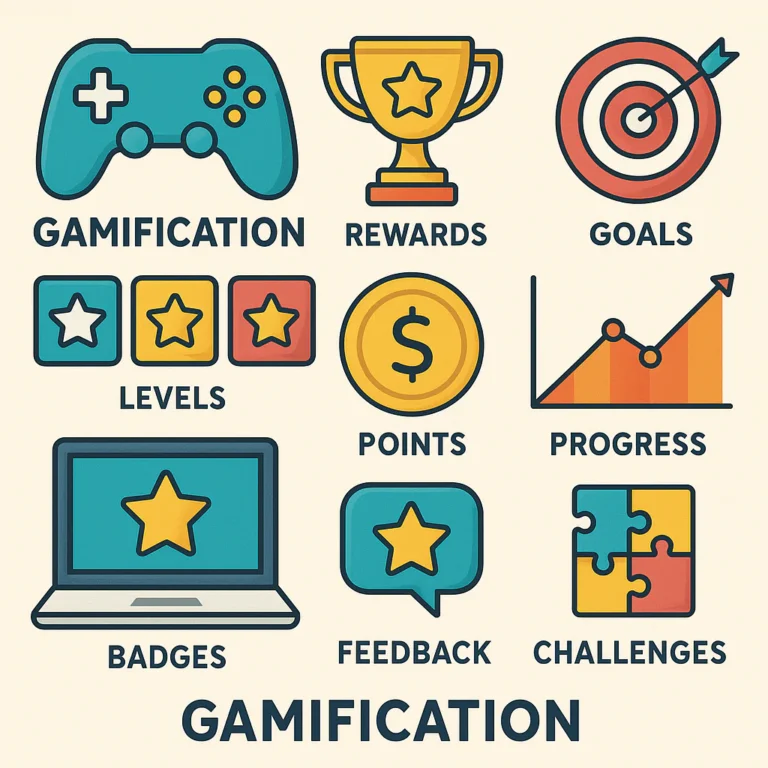
- Points: Rewarding users for completing tasks or achieving milestones.
- Badges: Visual representations of achievements or accomplishments.
- Leaderboards: Ranking users based on performance or progress.
Understanding Your Target Audience: User Research for Effective Gamification
To create effective gamification experiences, it’s essential to understand your target audience. This involves conducting user research to identify their needs, motivations, and preferences.
Identifying Player Types and Motivations
There are several player types, each with unique motivations and preferences:
- Achievers: Motivated by achieving goals and earning rewards.
- Explorers: Motivated by discovering new things and exploring new experiences.
- Socializers: Motivated by interacting with others and building relationships.
Analyzing User Behavior and Feedback
Analyzing user behavior and feedback is critical to creating effective gamification experiences. This involves:
- Collecting data: Gathering data on user behavior and feedback.
- Analyzing data: Identifying patterns and trends in user behavior and feedback.
- Iterating and refining: Refining the gamification experience based on user feedback and behavior.
10 Essential Elements of Gameful Design for Business
Here are the 10 essential elements of gameful design for business:
- Reward Systems and Incentives: Providing rewards and incentives for completing tasks or achieving milestones.
- Leaderboards and Social Sharing: Ranking users based on performance or progress and enabling social sharing.
- Clear Goals and Challenges: Setting clear goals and challenges for users to achieve.
- Progress Tracking and Feedback: Providing progress tracking and feedback to users.
- Teamwork and Collaboration: Encouraging teamwork and collaboration among users.
- Storytelling and Emotional Connection: Creating engaging narratives and emotional connections with users.
- Immersive and Engaging Experiences: Creating immersive and engaging experiences for users.
- Data-Driven Design and Optimization: Using data to drive design and optimization decisions.
- Scalability and Flexibility: Ensuring that the gamification experience is scalable and flexible.
- Continuous Evaluation and Improvement: Continuously evaluating and improving the gamification experience.
Measuring Success: Key Performance Indicators (KPIs) for Gamification
Measuring the success of gamification experiences is critical to understanding their effectiveness. Key performance indicators (KPIs) for gamification include:
- Engagement metrics: Measuring user engagement and participation.
- Conversion metrics: Measuring the conversion of users to desired outcomes (e.g., sales, sign-ups).
- Retention metrics: Measuring user retention and loyalty.
Your Privacy, Your Choice: Ensuring Data Protection in Gamification
Ensuring data protection in gamification is essential to maintaining user trust and compliance with regulations. This involves:
- Collecting and storing data securely: Ensuring that user data is collected and stored securely.
- Providing transparency and control: Providing users with transparency and control over their data.
- Complying with regulations: Complying with relevant data protection regulations.
Search and Discovery: How to Find the Right Gamification Platform
Finding the right gamification platform can be challenging, but there are several strategies to consider:
- Research and evaluation: Researching and evaluating different gamification platforms.
- Reading reviews and testimonials: Reading reviews and testimonials from other users.
- Requesting demos and trials: Requesting demos and trials to test the platform.
Abstract: The Power of Gameful Design in Business
Gameful design has the power to transform business by creating engaging and interactive experiences. By applying game mechanics to non-game contexts, businesses can increase employee engagement, customer satisfaction, and sales.
Introduction to Gamification: What, Why, and How

Gamification is the application of game mechanics to non-game contexts. It’s used to create engaging and interactive experiences that drive desired outcomes. To get started with gamification, check out Gamification Hub’s resources on educational gamification, gamification in healthcare, and game-based learning.
Related Work: Case Studies and Examples of Successful Gamification
There are several case studies and examples of successful gamification, including:
- Duolingo: A language-learning platform that uses gamification to engage users.
- Fitbit: A fitness tracking platform that uses gamification to encourage physical activity.
- IBM: A company that uses gamification to engage employees and drive innovation.
Hypothesis Development: The Science Behind Gamification
The science behind gamification involves understanding human behavior and motivation. This includes:
- Behavioral psychology: Understanding how people behave and make decisions.
- Game theory: Applying game mechanics to non-game contexts.
- User experience (UX) design: Creating engaging and interactive experiences.
The Design Artifact: Creating Engaging and Effective Gamification Experiences
Creating engaging and effective gamification experiences involves:
- Designing for user experience: Creating experiences that are engaging and interactive.
- Applying game mechanics: Applying game mechanics to drive desired outcomes.
- Testing and iterating: Testing and iterating to refine the experience.
Experiment: Testing and Refining Gamification Strategies
Testing and refining gamification strategies is critical to understanding their effectiveness. This involves:
- Conducting experiments: Conducting experiments to test different gamification strategies.
- Collecting data: Collecting data on user behavior and feedback.
- Analyzing data: Analyzing data to identify patterns and trends.
Results: Analyzing the Impact of Gamification on Business Outcomes
Analyzing the impact of gamification on business outcomes is essential to understanding its effectiveness. This involves:
- Measuring key performance indicators (KPIs): Measuring KPIs such as engagement, conversion, and retention.
- Conducting cost-benefit analysis: Conducting cost-benefit analysis to understand the return on investment (ROI).
- Identifying areas for improvement: Identifying areas for improvement and refining the gamification strategy.
Contribution: The Role of Gamification in Driving Business Success
Gamification plays a critical role in driving business success by creating engaging and interactive experiences. This includes:
- Increasing employee engagement: Increasing employee engagement and motivation.
- Improving customer satisfaction: Improving customer satisfaction and loyalty.
- Driving sales and revenue growth: Driving sales and revenue growth.
Limitations and Future Work: Overcoming Challenges in Gamification
There are several challenges in gamification, including:
- Ensuring data protection: Ensuring that user data is protected and compliant with regulations.
- Avoiding over-gamification: Avoiding over-gamification and ensuring that the experience is engaging and interactive.
- Continuously evaluating and improving: Continuously evaluating and improving the gamification experience.
Notes on Gamification: Best Practices and Common Pitfalls
Here are some best practices and common pitfalls to consider:
- Designing for user experience: Creating experiences that are engaging and interactive.
- Applying game mechanics: Applying game mechanics to drive desired outcomes.
- Testing and iterating: Testing and iterating to refine the experience.
- Avoiding over-gamification: Avoiding over-gamification and ensuring that the experience is engaging and interactive.
References: Further Reading on Gameful Design and Gamification
For further reading on gameful design and gamification, check out the following resources:
- Gamification Hub: A website dedicated to gamification and gameful design.
- Gartner: A research and advisory company that provides insights on gamification and gameful design.
- Forbes: A business magazine that provides insights on gamification and gameful design.
Acknowledgements: The Importance of Community in Gamification
The importance of community in gamification cannot be overstated. This includes:
- Building a community: Building a community of users who are engaged and motivated.
- Encouraging social sharing: Encouraging social sharing and collaboration among users.
- Providing support and feedback: Providing support and feedback to users.
Funding: The Business Case for Investing in Gamification
The business case for investing in gamification is clear. This includes:
- Increasing employee engagement: Increasing employee engagement and motivation.
- Improving customer satisfaction: Improving customer satisfaction and loyalty.
- Driving sales and revenue growth: Driving sales and revenue growth.
Author Information: Meet the Experts in Gameful Design
Our team of experts in gameful design and gamification includes:
- Gamification engineers: Experts in designing and developing gamification experiences.
- User experience (UX) designers: Experts in creating engaging and interactive experiences.
- Game designers: Experts in applying game mechanics to non-game contexts.
Ethics Declarations: Ensuring Responsible Gamification Practices
Ensuring responsible gamification practices is essential to maintaining user trust and compliance with regulations. This includes:
- Ensuring data protection: Ensuring that user data is protected and compliant with regulations.
- Avoiding over-gamification: Avoiding over-gamification and ensuring that the experience is engaging and interactive.
- Providing transparency and control: Providing users with transparency and control over their data.
Additional Information: Staying Up-to-Date on Gamification Trends
To stay up-to-date on gamification trends, check out the following resources:
- Gamification Hub: A website dedicated to gamification and gameful design.
- Gartner: A research and advisory company that provides insights on gamification and gameful design.
- Forbes: A business magazine that provides insights on gamification and gameful design.
Supplementary Information: Gamification Resources and Tools
For supplementary information on gamification resources and tools, check out the following:
- Gamification platforms: Platforms that provide gamification tools and services.
- Game development software: Software that provides game development tools and services.
- User experience (UX) design tools: Tools that provide UX design services and resources.
Rights and Permissions: Using Gamification Content Responsibly
Using gamification content responsibly is essential to maintaining user trust and compliance with regulations. This includes:
- Ensuring data protection: Ensuring that user data is protected and compliant with regulations.
- Providing transparency and control: Providing users with transparency and control over their data.
- Avoiding over-gamification: Avoiding over-gamification and ensuring that the experience is engaging and interactive.
About this Article: The Ultimate Guide to Gameful Design
This article provides a comprehensive guide to gameful design and gamification, including the benefits, challenges, and best practices. For more information, check out Gamification Hub’s resources on gamification case studies, game mechanics, and game-based learning.
Conclusion

In conclusion, gameful design and gamification are powerful tools that can be used to drive business success by creating engaging and interactive experiences. By applying game mechanics to non-game contexts, businesses can increase employee engagement, customer satisfaction, and sales. While there are challenges to implementing gamification effectively, the benefits far outweigh the costs. We confidently recommend that businesses consider incorporating gameful design and gamification into their strategies to stay ahead of the competition.
As we’ve seen, gameful design and gamification can be used in a variety of contexts, from education to healthcare to business. By understanding the key principles of gameful design and how to apply them effectively, businesses can create engaging and interactive experiences that drive desired outcomes. We’ve also seen that gamification can be used to improve employee engagement, increase customer loyalty and retention, and drive sales and revenue growth.
In terms of products, we’ve mentioned several tools and platforms that can be used to implement gamification effectively, including Gamification Hub, Gartner, and Forbes. We’ve also discussed the importance of ensuring data protection and providing transparency and control to users.
Overall, we believe that gameful design and gamification are essential tools for businesses looking to drive success in today’s competitive market. By incorporating these strategies into their overall business plan, companies can create engaging and interactive experiences that drive desired outcomes and stay ahead of the competition.
Recommended Links
If you’re interested in learning more about gameful design and gamification, we recommend checking out the following resources:
- Gamification: A Very Short Introduction by Kevin Werbach: A comprehensive introduction to gamification and its applications.
- For the Win: How Game Thinking Can Revolutionize Your Business by Kevin Werbach and Dan Hunter: A guide to applying game thinking to business.
- Reality Is Broken: Why Games Make Us Better and How They Can Change the World by Jane McGonigal: A book that explores the potential of games to solve real-world problems.
- 👉 CHECK PRICE on:
- Amazon: Gamification Platform | Game Development Software
- Gartner: Gamification Research
- Forbes: Gamification Articles
FAQ

What are the key principles of gameful design for businesses?
The key principles of gameful design for businesses include understanding the target audience, creating engaging and interactive experiences, and applying game mechanics to drive desired outcomes. This includes using elements such as points, badges, and leaderboards to encourage engagement and motivation.
How do these principles apply to different industries?
These principles can be applied to various industries, including education, healthcare, and business. For example, in education, gameful design can be used to create interactive and engaging learning experiences. In healthcare, gameful design can be used to encourage patients to adhere to treatment plans and adopt healthy behaviors.
How does gamify everything improve employee engagement?
Gamify everything can improve employee engagement by creating a more interactive and engaging work environment. This can include using game mechanics such as points, badges, and leaderboards to encourage employees to participate in training programs, complete tasks, and achieve goals.
What are some examples of successful gamification in the workplace?
Examples of successful gamification in the workplace include using game-based training programs to teach new skills, creating leaderboards to encourage competition and teamwork, and offering rewards and recognition for achieving goals and milestones.
Read more about “Is Gameful Design More Sustainable Than Traditional Gamification? 🎮 (2025)”
What tools can businesses use to implement gamification effectively?
Businesses can use a variety of tools to implement gamification effectively, including game development software, gamification platforms, and user experience (UX) design tools. These tools can help businesses create engaging and interactive experiences that drive desired outcomes.
How do these tools support gameful design principles?
These tools support gameful design principles by providing the necessary infrastructure to create and deploy gamified experiences. For example, game development software can be used to create interactive and engaging games, while gamification platforms can be used to deploy and manage gamified experiences.
Read more about “Gameful Design vs Gamification: 12 Game-Changing Insights (2025) 🎮”
How can gamification increase customer loyalty and retention?
Gamification can increase customer loyalty and retention by creating engaging and interactive experiences that encourage customers to return and continue doing business with a company. This can include using game mechanics such as points, badges, and leaderboards to encourage customers to make repeat purchases, refer friends, and engage with the company’s brand.
What are some examples of successful gamification in customer loyalty programs?
Examples of successful gamification in customer loyalty programs include using game-based rewards programs to encourage customers to make repeat purchases, creating leaderboards to encourage competition and engagement, and offering exclusive rewards and recognition to loyal customers.
Read more about “18 Gamification Techniques Examples to Boost Engagement (2025) 🎯”
What are common challenges in gamifying business processes?
Common challenges in gamifying business processes include ensuring data protection, providing transparency and control to users, and avoiding over-gamification. Businesses must also ensure that gamification is aligned with overall business goals and objectives.
How can businesses overcome these challenges?
Businesses can overcome these challenges by conducting thorough research and planning, ensuring that gamification is aligned with overall business goals and objectives, and providing transparency and control to users. Businesses must also continuously evaluate and improve their gamification strategies to ensure they are effective and engaging.
Read more about “Can Gamification Motivate Employees and Boost Productivity? 🎮 …”
How do you measure the success of gamify everything strategies?
The success of gamify everything strategies can be measured using a variety of metrics, including engagement, conversion, and retention. Businesses can also use data analytics tools to track user behavior and feedback, and make data-driven decisions to refine and improve their gamification strategies.
What are some common metrics used to measure the success of gamification?
Common metrics used to measure the success of gamification include engagement metrics (e.g. time spent, pages viewed), conversion metrics (e.g. sales, sign-ups), and retention metrics (e.g. return visits, customer loyalty).
Read more about “What Is Gamification? 15 Examples That Actually Work (2025) 🎮”
Can small businesses benefit from gameful design and gamification?
Yes, small businesses can benefit from gameful design and gamification. By creating engaging and interactive experiences, small businesses can increase customer loyalty and retention, drive sales and revenue growth, and stay ahead of the competition.
What are some examples of successful gamification in small businesses?
Examples of successful gamification in small businesses include using game-based rewards programs to encourage customer loyalty, creating interactive and engaging marketing campaigns, and using game mechanics to encourage employees to participate in training programs and achieve goals.
Read more about “SuperBetter Review 2025: Unlock Your Inner Hero with 7 Game-Changing Features 🎮”
Reference Links
For more information on gameful design and gamification, please visit the following reputable sources: