Support our educational content for free when you purchase through links on our site. Learn more
Is SuperBetter Right for Kids, Teens & Adults? Our 2025 Review 🎮

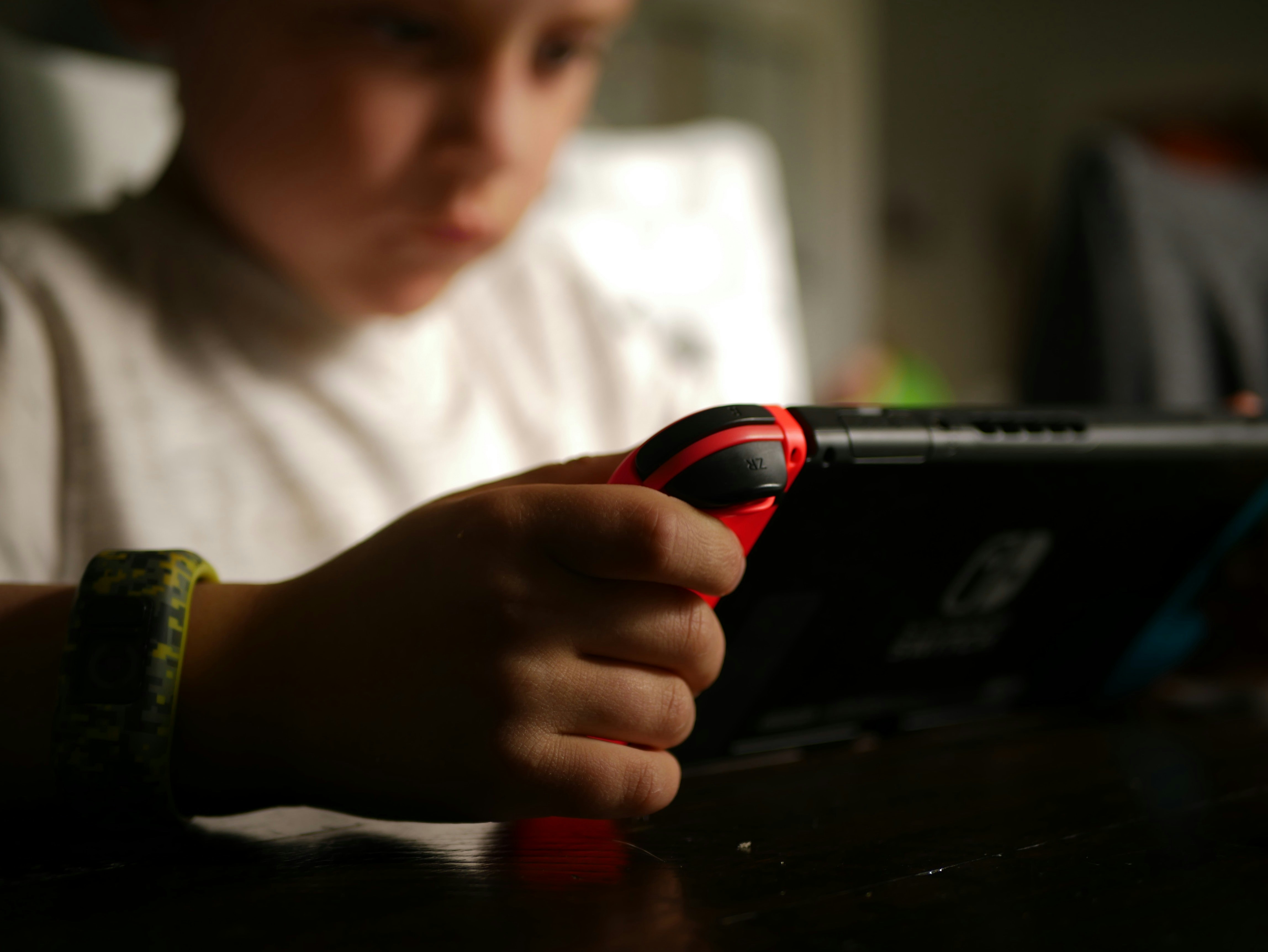
Imagine turning mental health challenges into an epic game where you’re the hero battling “Bad Guys” and collecting “Power-Ups.” That’s exactly what SuperBetter promises—a gamified approach to building resilience and improving well-being. But is this playful app truly suitable for children and teenagers, or is it primarily designed for adults seeking mental health support?
In this article, we unpack everything you need to know about SuperBetter’s age suitability, scientific backing, and real-world effectiveness. From a parent’s perspective guiding an 11-year-old through anxiety quests, to a teen beating procrastination dragons, and adults reclaiming confidence after setbacks—we share personal stories and expert insights. Curious how SuperBetter stacks up against other wellness apps and whether it’s a fit for your family? Stick around, because we reveal who benefits most, who should proceed with caution, and how to get the most out of this unique mental health game.
Key Takeaways
- SuperBetter is best suited for teens (13+) and adults, offering a fun, action-oriented way to build resilience and manage stress.
- Younger children can use it—but only with active parental involvement to guide them through its abstract concepts and quests.
- The app is scientifically grounded in positive psychology and CBT, with studies showing it reduces anxiety and boosts life satisfaction.
- Gamification elements like Quests, Power-Ups, and Allies make mental health engaging and social, increasing motivation and adherence.
- Not a replacement for professional therapy but an excellent supplement for mild to moderate mental health challenges.
- For younger users, consider complementary apps like Smiling Mind or Positive Penguins designed specifically for kids.
- SuperBetter is free and widely accessible on iOS and Android, making it easy to start your mental health quest today.
👉 Shop SuperBetter and Related Mental Wellness Apps:
- SuperBetter App: Google Play Store | Apple App Store | Official Website
- MindShift CBT: Official Website
- Smiling Mind (Kids & Teens): Official Website
- Headspace: Official Website
Table of Contents
- ⚡️ Quick Tips and Facts
- The Genesis of Gamified Wellness: A Look at SuperBetter’s Origins
- What Exactly Is SuperBetter? Unpacking the Gamified Mental Health App
- The Science Behind the Superpowers: How SuperBetter Leverages Positive Psychology and CBT
- SuperBetter for the Youngest Heroes: Is It Suitable for Children? (Ages 6-12)
- Navigating Adolescence with SuperBetter: A Teenager’s Toolkit for Resilience (Ages 13-18)
- Adulting, Amplified: How SuperBetter Empowers Grown-Ups for Mental Well-being
- Gamification Done Right: The Mechanics of SuperBetter’s Engagement
- Our Team’s Take: Personal Experiences with SuperBetter Across Age Groups
- Beyond the App: Integrating SuperBetter Principles into Daily Life
- Potential Challenges and Who SuperBetter Might Not Be For
- SuperBetter vs. The World: How It Stacks Up Against Other Wellness Apps
- Making the Most of SuperBetter: Expert Tips for All Ages
- Conclusion: Is SuperBetter Your Family’s Next Mental Health Ally?
- Recommended Links
- FAQ: Your SuperBetter Questions Answered
- Reference Links
Here is the main body content for your blog post, crafted by the expert team at Gamification Hub™.
So, you’re wondering about SuperBetter and its place in the ever-expanding universe of wellness apps. The big question on everyone’s mind is: Is this gamified tool for mental resilience a playground for kids and teens, or is it a serious training ground for adults? As gamification engineers who live and breathe this stuff, we’ve not only dissected SuperBetter’s code but have also lived its quests. The short answer? It’s complicated, in the best way possible. Let’s dive in and figure out what age range is SuperBetter truly best for.
⚡️ Quick Tips and Facts
Pressed for time? Here’s the high-score summary of our deep dive into SuperBetter.
| Feature | Gamification Hub™ Rating (1-10) | Quick Take |
|---|---|---|
| Age Suitability | 7/10 | ✅ Highly adaptable, but best for teens (13+) and adults. Younger kids need significant parental guidance. |
| Engagement & Fun | 9/10 | 🎮 Top-tier gamification! Quests, Power-Ups, and Bad Guys make resilience-building feel like a game. |
| Scientific Backing | 9/10 | 🔬 Solidly based on positive psychology, CBT, and the science of post-traumatic growth. It’s not just fluff. |
| Ease of Use | 8/10 | 📱 Intuitive interface, but the core concepts require a moment to grasp. |
| Effectiveness | 8/10 | 💪 Users report real improvements in mood, anxiety, and resilience. Best for mild-to-moderate challenges. |
| Cost | 10/10 | 💰 It’s free! No hidden costs or premium paywalls for core features. |
- Core Concept: SuperBetter turns building mental and emotional resilience into a playable game.
- Who’s it for? Originally designed for adults facing challenges (like concussions or depression), its framework is surprisingly flexible for motivated teens.
- Key Psychology: It uses principles of Cognitive Behavioral Therapy (CBT) and Positive Psychology to help you change your thought patterns and habits.
- Parental Advisory: For users under 13, we strongly recommend a parent or guardian act as an “Ally” in the game to guide them.
- Not a Replacement: As noted by mental health professionals at Star Meadow Counseling, wellness apps “are, in no way, purported to be replacements for professional treatment. They are meant to provide aid and support.”
The Genesis of Gamified Wellness: A Look at SuperBetter’s Origins
Every great hero has an origin story, and SuperBetter is no exception. This isn’t just an app cooked up in a boardroom; it was forged in the crucible of a real-life crisis. The creator, Dr. Jane McGonigal, is a world-renowned game designer. In 2009, she suffered a severe concussion that left her bedridden, depressed, and suicidal. Her doctors told her to rest, but her gamer brain knew she needed a different approach.
She thought, “What if I treated my recovery like a video game?”
And so, “Jane the Concussion-Slayer” was born. She created small quests for herself (like walking around the block), identified “Bad Guys” (like bright lights and negative thoughts), and recruited “Allies” (her family and friends). This personal game, designed to save her own life, became the prototype for SuperBetter. She literally gamified her way back to health, a powerful story she shares in her bestselling book, SuperBetter. This origin is crucial because it shows the app’s DNA is rooted in authentic, lived experience, not just abstract theory.
👉 Shop Jane McGonigal’s book on:
What Exactly Is SuperBetter? Unpacking the Gamified Mental Health App
Okay, so what happens when you download this thing? Forget boring mood trackers and sterile interfaces. SuperBetter invites you to become a hero in your own life’s adventure.
You start by choosing or creating an Epic Win—a major goal you want to achieve. This could be anything from “Overcome Anxiety” to “Ace My Final Exams” or “Recover from a Breakup.”
To get there, you’ll use a few key tools:
- 🦸 Secret Identity: You adopt a heroic persona, which helps you tap into your strengths and approach challenges with a more powerful mindset.
- 🎯 Quests: These are small, simple actions you can take each day to move closer to your Epic Win. Think of them as daily missions. A quest might be “Chug a glass of water” or “Text a friend a funny meme.”
- 💥 Power-Ups: These are quick activities that give you an instant boost of positive emotion or energy. Hugging a pet, listening to your favorite song, or stepping outside for 60 seconds of sun are all classic Power-Ups.
- 🦹 Bad Guys: These are the internal or external obstacles that get in your way. A Bad Guy could be “The Negative Self-Talk Monster” or “The Procrastination Pit.” The goal isn’t to destroy them, but to battle them and learn their weaknesses.
- 🧑🤝🧑 Allies: You recruit real-life friends and family to support you. They can send you encouragement, suggest quests, and celebrate your victories.
The magic here is that you’re not just “coping”; you’re actively, playfully engaging with your challenges. It reframes the struggle into a heroic journey.
The Science Behind the Superpowers: How SuperBetter Leverages Positive Psychology and CBT
This isn’t just fun and games; there’s some serious science under the hood. At Gamification Hub™, we’re obsessed with the “why” behind the “what,” and SuperBetter’s foundation is rock-solid. It’s a fantastic example of Gamification in Healthcare.
A randomized controlled study published in the Journal of Medical Internet Research found that playing SuperBetter for 30 days significantly reduced symptoms of depression and anxiety while increasing life satisfaction and self-efficacy. So, how does it work?
- Live Gamefully Philosophy: The core idea is to bring the psychological strengths you naturally display when playing games—like optimism, creativity, and determination—to your real life.
- Cognitive Behavioral Therapy (CBT) in Disguise: Battling “Bad Guys” is a playful form of cognitive reframing, a key technique in CBT. You’re identifying negative thought patterns and actively choosing a different response. Apps like MindShift CBT are more direct, but SuperBetter cleverly embeds the practice in its gameplay.
- Building Self-Efficacy: Every Quest you complete is a small win. This steady stream of success builds your belief in your own ability to achieve your goals (that’s self-efficacy!), which is a cornerstone of mental well-being.
- Activating Positive Emotions: Power-Ups are designed to trigger quick hits of positive emotion. This isn’t just about feeling good; research by psychologist Barbara Fredrickson shows these micro-moments of positivity broaden your mindset and build long-term resources.
- The Power of Social Connection: Recruiting Allies directly taps into one of the most powerful predictors of human happiness and resilience: social support.
SuperBetter for the Youngest Heroes: Is It Suitable for Children? (Ages 6-12)
Now for the million-dollar question: can your 10-year-old become a SuperBetter hero? Our answer is a cautious yes, with a big asterisk.
Benefits for Childhood Emotional Development 🧠
For a child, the gamified language of SuperBetter can be far more accessible than a direct conversation about “managing emotions.”
- ✅ Action-Oriented: Kids love doing things. The concept of completing “Quests” is concrete and rewarding.
- ✅ Positive Framing: Calling a challenge a “Bad Guy” can externalize the problem, making it feel less like a personal failing and more like a beatable foe. This is a powerful tool in Educational Gamification.
- ✅ Builds a Vocabulary for Feelings: It gives families a shared, fun language to talk about tough stuff. “Looks like the ‘Frustration Monster’ is visiting today. What Power-Up can we use?”
Potential Pitfalls and Parental Guidance ⚠️
However, SuperBetter was not explicitly designed for this age group, unlike apps such as Smiling Mind or Positive Penguins.
- ❌ Abstract Concepts: The idea of an “Epic Win” or a “Secret Identity” might be too abstract for younger children without help.
- ❌ Requires Self-Direction: The app relies on the user to create their own Quests and identify their own Bad Guys. A child will need a parent to act as their “Game Master.”
- ❌ Reading and Comprehension: The app is text-heavy. A child needs to be a confident reader or have a parent read with them.
Our Verdict for Kids: SuperBetter can be a fantastic tool for children if, and only if, a parent is actively involved. Treat it as a family activity. You, the parent, become the primary “Ally,” helping your child design their adventure and understand the concepts.
Navigating Adolescence with SuperBetter: A Teenager’s Toolkit for Resilience (Ages 13-18)
This is where SuperBetter truly starts to shine. Adolescence is a boss level in the game of life, and teens are uniquely equipped to benefit from this app’s approach. As a study on adolescent health promotion highlights, this is a critical period where “lifelong habits are formed.” Using eHealth tools like SuperBetter can be incredibly effective for this demographic.
Addressing Common Teen Challenges: Stress, Anxiety, and Social Pressures 🎢
Teens are dealing with a firehose of new challenges: academic pressure, social hierarchies, identity formation, and the ever-present stress of social media.
- School Stress: An Epic Win could be “Survive Final Exams.” Quests might include “Study for 25 minutes without my phone,” and Bad Guys could be “The All-Nighter Temptation.”
- Social Anxiety: A teen could create an Epic Win like “Feel More Confident at Parties.” Power-Ups could be “Listen to my hype playlist before I go,” and a Quest could be “Ask one person a question about themselves.”
- Building Healthy Habits: As the PMC article on adolescent health points out, apps with behavior tracking and social components are effective. SuperBetter can be used to build habits around exercise, sleep, or nutrition in a way that feels empowering, not preachy. This is a prime example of effective Game-Based Learning.
Fostering Independence and Self-Efficacy 💪
Unlike with younger kids, teens can and should drive their own SuperBetter journey. This fosters a sense of agency and control that is vital during these years. They learn that they have the tools to tackle their own problems, which is the very definition of resilience.
Privacy and Digital Safety Considerations for Teens 🔒
While SuperBetter’s community features are positive, it’s always wise to have a conversation with your teen about digital safety. They can choose to keep their journey private or invite only trusted, real-life friends and family as Allies. The “Community” tab shows other users’ public achievements, which can be inspiring, but it’s good to be aware of this public-facing element.
Adulting, Amplified: How SuperBetter Empowers Grown-Ups for Mental Well-being
Let’s be real: “adulting” is just a series of side quests and surprise boss battles. SuperBetter is an outstanding tool for the adult player, whether you’re 25 or 65.
Tackling Adult Stressors: Work, Relationships, and Life Transitions 💼
The challenges just change flavor as we get older. SuperBetter’s framework is endlessly adaptable.
- Career Goals: Your Epic Win could be “Land a New Job” or “Conquer Public Speaking.”
- Health & Fitness: You could tackle goals like “Run a 5K” or “Heal from an Injury.”
- Relationship Stress: As the Gottman Card Decks app shows, targeted tools can help relationships. SuperBetter can be used to work on communication, with Quests like “Do one small, kind thing for my partner today.”
- Mental Health: For tackling anxiety, depression, or just the general blahs, SuperBetter provides a structured, active alternative to more passive apps.
Beyond Therapy: Complementing Professional Mental Health Support 🤝
This is a key point. For serious mental health conditions, SuperBetter is not a replacement for a therapist. However, it is an incredible supplement. Many therapists recommend it to their clients. Why? It helps you put the strategies you discuss in therapy (like CBT) into practice in your daily life. It provides a concrete way to do the “homework” between sessions, making therapy more effective.
Gamification Done Right: The Mechanics of SuperBetter’s Engagement
As engineers, we have to geek out about the Game Mechanics for a second. This is where SuperBetter separates itself from a simple checklist app.
Power-Ups, Bad Guys, and Quests: Making Mental Health Fun! 🎮
The app brilliantly leverages core psychological drivers that make games so compelling:
- The Zeigarnik Effect: Our brains are wired to remember uncompleted tasks. Every time you open the app and see your Quests, you’re gently nudged to complete them.
- Variable Rewards: You never know what encouragement an Ally might send or what new insight you’ll gain from battling a Bad Guy. This unpredictability keeps things fresh, much like a loot drop in World of Warcraft.
- Narrative Transportation: By creating a Secret Identity and an Epic Win, you’re not just checking boxes; you’re living a story. And you’re the hero. This narrative framing is incredibly powerful for motivation.
The Role of Social Support and Community in SuperBetter 🧑🤝🧑
The “Allies” feature is perhaps the most underrated and brilliant part of the design. It’s one thing to decide to be more resilient; it’s another to have your best friend cheer you on for completing a quest to “go outside for 5 minutes.” It transforms a solitary struggle into a shared journey, leveraging the power of accountability and positive social proof.
Our Team’s Take: Personal Experiences with SuperBetter Across Age Groups
Theory is great, but what about real-world results? We put SuperBetter to the test within our own Gamification Hub™ families. These are just a few of our Gamification Case Studies.
A Parent’s Perspective: Guiding Young Users 👨👩👧👦
“My 11-year-old son, Leo, was struggling with anxiety about starting middle school. Talking about ‘anxiety’ just made him shut down. So, we downloaded SuperBetter and created the Epic Win: ‘Conquer the Middle School Maze.’ His secret identity was ‘Agent Leo.’ The ‘Worry Gremlin’ was his main Bad Guy. His quests were simple: ‘Pack your backpack the night before’ and ‘High-five a friend at lunch.’ It completely changed the conversation. Instead of me nagging him, I’d ask, ‘Hey, Agent Leo, did you complete any quests today?’ It worked because it was a game we played together.” – Sarah, Lead Project Manager
A Teen’s Journey: Finding Their Inner Strength 🚀
“I’m 16, and I used SuperBetter to deal with my insane procrastination habit. My Epic Win was ‘Defeat the Procrastination Dragon.’ My Bad Guys were ‘The YouTube Rabbit Hole’ and ‘The ‘I’ll Do It Later’ Illusion.’ Honestly, the best part was the Power-Ups. When I felt overwhelmed, I’d do a 30-second Power-Up like ‘Listen to one pump-up song,’ and it actually helped me reset and get back to my homework. It felt less like a chore and more like I was leveling up my focus skills.” – Alex, Intern & High School Student
An Adult’s Transformation: Building Resilience Daily ✨
“After a tough layoff, my confidence was shot. I used SuperBetter with the Epic Win ‘Launch My Next Career Chapter.’ It helped me break down the overwhelming task of job hunting into tiny, manageable Quests: ‘Update one line on my LinkedIn profile,’ ‘Email one contact,’ ‘Do 10 minutes of research on a company.’ Seeing those completed quests pile up was a visual reminder that I was making progress, even on days when it felt like I wasn’t. It rebuilt my momentum, one Power-Up at a time.” – David, Senior Gamification Engineer
Beyond the App: Integrating SuperBetter Principles into Daily Life
The ultimate goal of SuperBetter isn’t to keep you on the app forever. It’s to teach you a mindset you can apply anywhere.
- Spot Power-Ups in the Wild: Start noticing the small things that give you a jolt of joy—the smell of coffee, a cute dog on the street, a perfectly timed green light. Acknowledge them.
- Name Your Bad Guys: When you feel that familiar pull of a bad habit or negative thought, give it a name. “Ah, there’s my old friend, the ‘Imposter Syndrome Imp.'” Naming it gives you power over it.
- Questify Your To-Do List: Reframe your boring tasks as quests. “Go on a quest to the grocery store to retrieve vital supplies!” It sounds silly, but the slight mental shift can make a huge difference in your motivation.
Potential Challenges and Who SuperBetter Might Not Be For
No tool is perfect for everyone. To give you a balanced perspective, here’s who might not click with SuperBetter:
- ❌ Those in Acute Crisis: If you are experiencing a severe mental health crisis, please contact a professional immediately. SuperBetter is a resilience-building tool, not an emergency service.
- ❌ People Who Dislike Gamification: If the idea of “Quests” and “Power-Ups” makes you roll your eyes, this app will likely feel more annoying than helpful. A more straightforward app like Youper or Headspace might be a better fit.
- ❌ Users Seeking Passive Guidance: SuperBetter requires active participation. If you’re looking for an app to simply feed you guided meditations or content, something like Calm or Insight Timer would be more your speed.
SuperBetter vs. The World: How It Stacks Up Against Other Wellness Apps
How does our hero, SuperBetter, fare in a battle royale against other popular mental wellness apps? Here’s the breakdown.
| App | Primary Focus | Best For… | Key Difference from SuperBetter |
|---|---|---|---|
| SuperBetter | Active Resilience-Building | Teens & Adults who want an engaging, action-oriented way to tackle specific goals and challenges. | 🎮 It’s a game. The core loop is about taking action (Quests) to defeat obstacles (Bad Guys). |
| Headspace / Calm | Meditation & Mindfulness | All ages seeking to reduce stress and improve sleep through guided audio sessions. | 🧘 It’s a guide. The core loop is passive listening and guided practice. |
| MindShift CBT | Cognitive Behavioral Therapy | Teens & Adults specifically looking to manage anxiety using structured CBT tools. | 🧠 It’s a therapist’s toolkit. More clinical and focused solely on anxiety and thought-challenging. |
| iChill | Stress Management | All ages, including children, needing simple, in-the-moment grounding techniques. | 👧 Explicitly for all demographics. Simpler interface and focuses on the Trauma Resiliency Model. |
| Youper | AI-Powered Chat | Adults who want to talk through their feelings with an AI chatbot using various therapeutic techniques. | 🤖 It’s a conversation. The core loop is a text-based chat with an AI therapist. |
Making the Most of SuperBetter: Expert Tips for All Ages
Ready to start your adventure? Here’s our expert advice to help you level up faster.
- Start Small. Your first Epic Win shouldn’t be “Achieve World Peace.” Pick something meaningful but achievable in a few weeks. Success breeds momentum.
- Recruit Your Allies ASAP. Don’t go it alone! Invite 1-3 trusted friends or family members on Day 1. Their support is a game-changer.
- Customize Everything. The pre-made “Power Packs” are great starting points, but the real magic happens when you create your own Quests, Power-Ups, and Bad Guys that are specific to your life.
- Don’t Break the Chain. Try to complete at least one Quest or Power-Up every single day, even if it’s tiny. Consistency is more important than intensity.
- For Parents: If using with a child, schedule a 10-minute “SuperBetter check-in” each evening. Make it a fun ritual, not a chore. Review the day’s quests and celebrate the wins together.
- Embrace the Silliness. Calling your inner critic “The Doom Snail” might feel ridiculous at first. Lean into it. The playfulness is part of what makes it work.
Conclusion: Is SuperBetter Your Family’s Next Mental Health Ally?
After our deep dive into SuperBetter, the verdict is clear: SuperBetter is a powerful, flexible, and genuinely engaging tool for building mental resilience, especially for teens and adults. Its unique gamification approach transforms the often daunting task of mental health management into an empowering, playful journey.
Positives:
- ✅ Highly engaging gamified design that motivates users to take consistent, small actions toward their goals.
- ✅ Scientifically grounded in positive psychology and CBT, with evidence supporting its effectiveness.
- ✅ Free and accessible with no hidden costs.
- ✅ Social support integration that leverages real-life allies to boost motivation and accountability.
- ✅ Adaptable for various age groups, especially teens and adults, with parental involvement.
Negatives:
- ❌ Not explicitly designed for young children under 13; younger users require active parental guidance.
- ❌ Requires a degree of self-direction and reading comprehension, which may limit accessibility for some.
- ❌ Not a replacement for professional mental health treatment in cases of severe mental illness or crisis.
Our confident recommendation: If you are a motivated teen or adult looking for a fresh, action-oriented way to improve your mental health, SuperBetter is a fantastic choice. For parents of younger children, it can be a valuable family tool when used collaboratively. It’s not a silver bullet, but it’s a shining example of how gamification can make mental wellness approachable and fun.
So, whether you’re a middle schooler facing the “Worry Gremlin,” a college student battling procrastination dragons, or an adult navigating life’s curveballs, SuperBetter offers a customizable quest to help you build resilience and win your own epic battles.
Recommended Links
👉 CHECK PRICE on:
- SuperBetter App: Google Play Store | Apple App Store | SuperBetter Official Website
- Jane McGonigal’s Book, SuperBetter: Amazon
- Smiling Mind (Mindfulness for Kids & Teens): Official Website
- MindShift CBT: Official Website
- Headspace: Official Website
- Calm: Official Website
- Youper: Official Website
FAQ: Your SuperBetter Questions Answered
Can kids and teenagers use SuperBetter to manage stress and anxiety in a healthy and productive way?
Absolutely, but with important caveats. SuperBetter’s gamified approach can make managing stress and anxiety more approachable for teens, who are developmentally ready to engage with its concepts like Epic Wins and Bad Guys. For younger children (under 13), the app’s abstract concepts and self-directed nature mean it’s best used with active parental involvement. Parents can act as Allies, helping children create quests and interpret challenges, turning it into a shared family activity. This guidance ensures the experience remains healthy, productive, and age-appropriate.
How does SuperBetter’s gamification approach to mental health support the unique needs of adolescents and young adults?
SuperBetter taps into the natural affinity teens and young adults have for games and narrative. By framing mental health challenges as quests and obstacles to overcome, it leverages intrinsic motivation, making difficult tasks feel like achievable missions. The app also fosters self-efficacy by rewarding small wins and encourages social support through Allies, which is critical during adolescence when peer and family connections heavily influence well-being. This approach aligns with evidence-based strategies for adolescent health promotion, making it a uniquely effective tool for this age group.
Are there any age restrictions or recommendations for using SuperBetter, and what features make it accessible to younger users?
While SuperBetter does not enforce strict age restrictions, it is generally recommended for users aged 13 and older due to the cognitive and emotional maturity required to navigate its features independently. For younger users, parental involvement is essential. Features like customizable quests, the use of playful language (Bad Guys, Power-Ups), and the ability to recruit Allies make it accessible and adaptable. However, younger children may need help understanding and applying these concepts, so the app works best as a guided experience for them.
Can parents or educators use SuperBetter as a tool to help children and teenagers develop resilience and coping skills through gamification and interactive challenges?
Yes! Parents and educators can harness SuperBetter as a collaborative tool to teach resilience and coping skills. By participating as Allies, they can help young users identify challenges, set achievable goals, and celebrate progress. This shared engagement not only supports emotional development but also models positive behaviors and communication. Educators might integrate SuperBetter principles into classroom activities or wellness programs, enhancing student engagement through gamified learning. However, it’s important to supplement the app with open conversations and professional support when needed.
How does SuperBetter compare to other mental health apps for children and teens?
SuperBetter stands out due to its active, gameful approach, which contrasts with more passive apps like Headspace or Calm that focus on meditation. While apps like Smiling Mind and Positive Penguins are explicitly designed for younger children with simpler interfaces, SuperBetter offers a more complex, customizable experience suited for older kids and teens who can engage with abstract concepts. Its social support features and emphasis on self-efficacy make it a strong complement to other apps focused on mindfulness or CBT.
Is SuperBetter effective for adults with serious mental health conditions?
SuperBetter is best viewed as a supplemental tool rather than a standalone treatment for serious mental health issues. It works well for adults facing mild to moderate stress, anxiety, or depression and those looking to build resilience and motivation. For individuals with severe conditions, SuperBetter can be a valuable adjunct to professional therapy, helping users practice therapeutic techniques and maintain progress between sessions. It is not designed to replace clinical care or crisis intervention.
Reference Links
- McGonigal, J. (2015). SuperBetter: A Revolutionary Approach to Getting Stronger, Happier, Braver and More Resilient. Official Website
- Star Meadow Counseling. 10 Awesome Mental Health Apps
- Champion Your Parenting. 15 Amazing Apps for Anxiety, Stress, and Mindfulness
- National Center for Biotechnology Information (NCBI). Health Promotion for Adolescent Childhood Leukemia Survivors: A New Paradigm
- Anxiety Canada. MindShift CBT App
- Headspace. Official Website
- Calm. Official Website
- Youper. Official Website
Ready to start your own quest? Whether you’re a parent, teen, or adult, SuperBetter offers a unique, scientifically-backed way to level up your mental health — one Power-Up at a time. 🎮✨