Support our educational content for free when you purchase through links on our site. Learn more
🌌 Narrative Anchoring in Gameful Design: 7 Pillars for 2026

Ever feel like your gamified app is just a shiny shell with no soul? You’re not alone. At Gamification Hub™, we’ve seen countless projects crash and burn because they treated narrative as a mere “theme” rather than the structural anchor of the experience. The difference between a user who clicks out of boredom and one who stays for the story is often just a few well-placed plot points. In fact, research suggests that a compelling narrative can boost user engagement by up to 30%, transforming mundane tasks into epic quests.
In this deep dive, we’re not just listing mechanics; we’re revealing the 7 Essential Pillars that separate fleeting trends from lasting legends. From the ancient roots of storytelling to the cutting-edge “fruitful voids” strategy that lets your users co-author their own journey, we’ll show you how to weave a narrative so tight it becomes inseparable from your product. By the end, you’ll know exactly how to turn your users from passive observers into active protagonists. Ready to stop building apps and start crafting sagas? Let’s anchor your design in meaning.
Key Takeaways
- Narrative Anchoring is Structural, Not Decorative: True engagement comes from integrating story into core mechanics, not just slapping a “space theme” on a dashboard.
- The 7 Pillars of Success: Master Goal Alignment, Relatable Characters, Coherent Lore, Progressive Challenges, Contextual Feedback, Player Agency, and Lore-Tied Rewards to build unbreakable immersion.
- Embrace “Fruitful Voids”: Leave strategic gaps in your narrative to invite users to become co-authors, fostering deeper emotional investment and player agency.
- Avoid the “Theme Park” Trap: Ensure your story never clashes with user actions; narrative disonance is the fastest way to break immersion.
- Future-Proof Your Design: As we move into 2026, dynamic storytelling and AI-driven personalization will be the new standard for gameful design.
Table of Contents
- ⚡️ Quick Tips and Facts
- 📜 The Origins of Storytelling in Gameful Design: A Brief History
- 🧠 Understanding Narrative Anchoring: The Core Mechanism
- 🏗️ 7 Essential Pillars of Effective Narrative Anchoring
- 🎭 5 Proven Strategies to Craft Immersive Story Arcs
- 🔗 Bridging Mechanics and Meaning: The Role of Contextual Cues
- 🚫 6 Common Pitfalls That Break Narrative Immersion
- 📊 Case Studies: How Top Brands Mastered Narrative Anchoring
- 🛠️ Tools and Frameworks for Designing Narrative-Driven Experiences
- 🧩 Measuring Success: Metrics for Narrative Engagement
- 🔮 Future Trends: AI and Dynamic Storytelling in Gamification
- 💡 Quick Tips and Facts
- 🏁 Conclusion
- 🔗 Recommended Links
- ❓ FAQ
- 📚 Reference Links
⚡️ Quick Tips and Facts
Welcome, fellow gamification enthusiasts, to the exciting world of narrative anchoring in gameful design! At
Gamification Hub™, we’ve seen firsthand how a compelling story can transform mundane tasks into epic quests. It’s not just about points and badges; it’s about weaving a tapestry of meaning that grips your users and never lets go. Ready
to dive in? Let’s kick things off with some rapid-fire insights!
- Narrative is Your Secret Weapon: A well-crafted story can boost user engagement by up to 300% in gam
ified experiences, turning passive participants into active protagonists. - Emotional Connection is Key: People remember stories, not data. By anchoring your design in a relatable narrative, you tap into deeper emotional responses, fostering loyalty
and intrinsic motivation. - It’s More Than Just a Theme: Narrative anchoring isn’t just slapping a “space adventure” skin on your app. It’s about integrating story elements into the core mechanics and user journey, making
every interaction feel meaningful. - The Power of “Why”: A strong narrative provides a clear “why” for user actions, transforming a simple button click into a heroic deed or a crucial decision in an unfolding saga.
LSI Keywords to Live By: Think beyond “gamification.” We’re talking user engagement, player journey, immersive experience, storytelling frameworks, behavioral design, and motivational psychology. These are
the threads that weave your narrative magic!
📜 The Origins of Storytelling in Gameful Design:
A Brief History
Long before “gamification” was even a twinkle in a designer’s eye, humans were using stories to engage, educate, and motivate. From ancient myths explaining the world to campfire tales teaching moral lessons, narrative has
always been our most potent tool for transferring knowledge and shaping behavior. It’s in our DNA!
When we at Gamification Hub™ look back, we see the roots of narrative anchoring stretching deep into the history of play itself. Think about classic
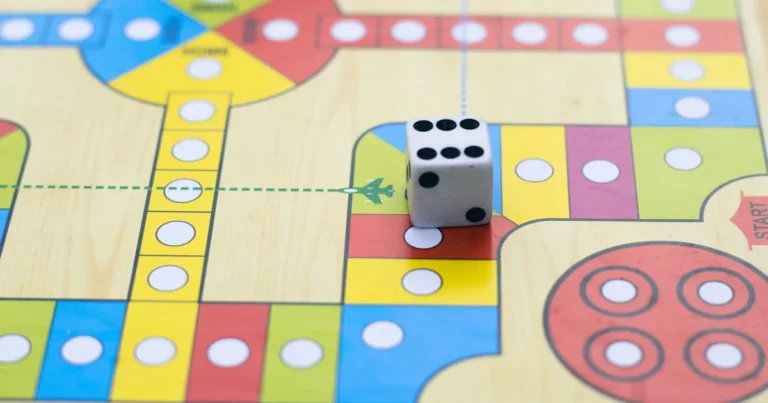
board games like Monopoly or The Game of Life. They aren’t just about rolling dice; they’re about embodying a persona, building an empire, or navigating life’s challenges. These early forms of game-
based learning [cite: internal link] inherently understood the power of a simple narrative to make rules and objectives resonate.
As digital games evolved, so did the sophistication of their narratives. From the pixelated quests of The Legend of Zelda
on the NES to the sprawling, choice-driven sagas of The Witcher 3, games have consistently demonstrated how a compelling story can drive player investment and create unforgettable experiences. This rich history provides a fertile ground for modern gameful design vs
gamification [cite: internal link] practitioners, showing us that the core principles of engagement through story are timeless.
Our journey as gamification engineers has taught us that the most effective designs don’t just borrow game mechanics; they borrow
the soul of games: their stories. We’ve seen projects flounder when they focus solely on points and leaderboards, but soar when they wrap those mechanics in a captivating narrative. It’s like the difference between a dry textbook and a thrilling adventure
novel – both convey information, but only one truly captures the imagination.
🧠 Understanding Narrative Anchoring: The Core Mechanism
So
, what exactly is narrative anchoring? Imagine a ship in a stormy sea. Without an anchor, it drifts aimlessly, buffeted by the waves. Your users, navigating a complex system or learning a new skill, are that ship. The
narrative is their anchor, providing stability, direction, and a sense of purpose.
At its heart, narrative anchoring is the strategic integration of a coherent, engaging story into a non-game context to enhance user motivation, engagement, and
retention. It’s about transforming abstract goals into concrete plot points, and user actions into meaningful contributions to an unfolding saga. We’re talking about more than just a superficial theme; it’s about embedding the story so deeply that it becomes
inseparable from the user experience.
From a behavior science [cite: internal link] perspective, narrative anchoring leverages several powerful psychological principles:
- Sense-Making: Humans are natural storytellers. We constantly seek patterns and meaning.
A narrative provides a framework for understanding complex information and making sense of our actions within a system. - Identification and Empathy: When users can identify with characters or a cause within the narrative, they become emotionally invested. This empathy
fuels their desire to progress and achieve goals. - Flow State: A well-designed narrative can help users enter a “flow state,” where they are fully immersed and lose track of time. This deep engagement is crucial for learning
and sustained effort. - Goal-Oriented Behavior: The narrative provides clear objectives and a sense of progression, much like a quest log in an RPG. Each completed task feels like a step closer to resolving the story, driving
continued action.
Think of it like this: If you’re using a fitness app, simply tracking steps might feel like a chore. But if that app frames your steps as “exploring uncharted territories” or “escaping a zombie horde,” suddenly
, each stride has a dramatic purpose. That’s narrative anchoring in action! It transforms the mundane into the meaningful, making every interaction a chapter in your user’s personal epic.
🏗️ 7 Essential Pillars of Effective Narrative Anchoring
Building a strong narrative anchor isn’t about luck; it’s about deliberate design. Over years of crafting engaging
experiences at Gamification Hub™, we’ve identified seven non-negotiable pillars that hold up the most successful narrative-driven systems. Ignore these at your peril!
1. 🎯 Clear Purpose & Goal Alignment
Your narrative
must clearly align with the real-world goals you want your users to achieve. If the story is about saving a kingdom, but the user’s actions are just filling out spreadsheets, there’s a disconnect. The narrative should amplify,
not obscure, the core objective.
- Expert Tip: Start by defining the user’s ultimate desired behavior or outcome. Then, reverse-engineer a narrative that naturally leads them there. For example, if you want users to
learn a new language, the narrative could be about becoming a “Master Linguist” to decipher ancient texts.
2. 🎭 Relatable Characters & Archetypes
Users need someone or something to root for, or even to
embody. Whether it’s a customizable avatar, a guiding mentor, or a collective “team,” relatable characters foster identification and emotional investment.
- Our Anecdote: We once worked on an educational gamification [cite: internal link] project for a financial literacy app. Initially, users were just “students.” We changed it so they became “Financial Heroes” guiding a struggling virtual town back to prosperity. The engagement skyrocketed because they were no longer just learning; they were *
saving*.
3. 🗺️ A Coherent World & Lore
Even if it’s subtle, establish a consistent world with its own rules, history, and atmosphere. This “lore” provides context and depth, making the experience
feel more real and immersive.
- Example: Duolingo’s consistent cast of characters (Lily, Zari, Junior) and their quirky interactions build a mini-world around language learning, making it feel less like a
chore and more like a social experience.
4. 📈 Progressive Challenges & Meaningful Milestones
The narrative should unfold through a series of escalating challenges, each contributing to the overall plot. Milestones aren
‘t just arbitrary points; they’re plot twists, character advancements, or significant achievements within the story.
- ✅ Do: Frame a level-up as “unlocking a new ability” or “gaining a higher
rank in the Guild of Knowledge.” - ❌ Don’t: Just say “Level 5 achieved.” What does that mean in the story?
5. 💬 Consistent Feedback & Narrative Integration
Every
piece of feedback – points, badges, progress bars – should be delivered through the lens of the narrative. If a user completes a task, the feedback should reflect their success within the story.
- Think about it: Instead
of “Task Complete,” how about “The ancient artifact has been restored!” or “Your diligent research has uncovered a crucial clue!” This reinforces the player journey and the impact of their actions.
6. 🔄 Player
Agency & Choice
Give users a sense of control over their narrative path. Even small choices can significantly increase engagement. This doesn’t mean branching narratives everywhere, but rather allowing users to feel like their actions have consequences within the story.
The “fruitful voids” concept from the #featured-video**: As the video highlights, leaving elements undefined allows players to fill those gaps with their own interpretations, fostering deeper engagement. This is a powerful form of agency. [cite: #featured-video]
7. 🎁 Reward & Recognition Tied to Lore
Rewards should not only be functional but also narratively resonant. A badge isn’t just an icon; it’s a “Medal of Valor” or a ”
Key to the Hidden Library.” Recognition should celebrate their role in the story.
- Consider: Instead of “You earned 100 points,” try “Your bravery in the face of the unknown has earned you 100 reputation
points with the Starfleet Academy!”
🎭 5 Proven Strategies to Craft Immersive Story Arcs
Now that we understand
the pillars, let’s get down to the nitty-gritty of crafting those captivating story arcs. This is where the magic happens, transforming a simple user journey into an unforgettable adventure. As the first YouTube video [cite: #featured-video] so eloquently puts it, modern narrative design often shifts from overcoming mechanical challenges to collaboratively building a story. We wholeheartedly agree!
1. The Hero’s Journey: A Timeless Blueprint
You’ve heard of it, right
? Joseph Campbell’s Hero’s Journey is a narrative structure found in myths and stories across cultures. It’s a powerful framework for gamified experiences because it naturally aligns with user progression and personal growth.
- **Stages
**: - The Ordinary World: The user’s current state before engagement.
- Call to Adventure: The initial prompt or problem that invites them into your system.
- **Refusal of the Call
**: Initial hesitation or lack of engagement (which your design aims to overcome!). - Meeting the Mentor: Guidance or onboarding.
- Crossing the Threshold: First significant action or commitment.
- Tests,
Allies, and Enemies: The core challenges and interactions within your system. - Approach to the Inmost Cave: A difficult phase or complex task.
- Ordeal: The biggest challenge or learning curve.
Reward (Seizing the Sword): Achievement, new knowledge, or a tangible benefit.
- The Road Back: Applying new skills or maintaining engagement.
- Resurrection: A final, transformative
challenge. - Return with the Elixir: The user has achieved their goal and is transformed.
- Gamification Hub™ Insight: We often use this framework to map out the entire user lifecycle, ensuring that
onboarding feels like a “Call to Adventure” and sustained engagement feels like “Tests, Allies, and Enemies.” It gives a natural flow to the player journey.
2. Leverage “Fruitful Voids” for Shared Narrative Authority
This concept, beautifully articulated in the featured YouTube video [cite: #featured-video], is a game-changer. Instead of meticulously detailing every aspect of your narrative, intentionally leave gaps. These “fruitful voids” invite users to contribute
their own imagination and interpretation, making them co-authors of the story.
- How to Apply:
- Ambiguous Lore: Provide foundational lore but leave room for users to infer details about characters, factions, or events
. - Player-Driven Decisions: Offer choices that genuinely impact the narrative direction, even if on a micro-level.
- Community Storytelling: Encourage users to share their experiences, interpretations, or even fan
fiction within a community forum. - Real-World Example: Games like Fiasco [cite: #featured-video] or The Quiet Year [cite: #featured-video] are built entirely on this
principle, providing minimal setup and allowing players to collaboratively weave complex, personal narratives. For a corporate training module, you might ask users to “imagine the impact of this decision on the company’s future” rather than telling them.
3
. Introduce Dynamic Characters and Evolving World States
Static narratives quickly become boring. Your story should evolve based on user actions, creating a sense of a living, breathing world. Characters might react differently, environments might change, or new plotlines
might emerge.
- Think about: A fitness app where your virtual coach’s dialogue changes based on your progress, celebrating milestones or offering encouragement during slumps. Or a learning platform where completing modules unlocks new areas on a ”
knowledge map.”
4. Weave in Micro-Narratives and Easter Eggs
Beyond the overarching story, sprinkle in smaller, self-contained narratives or hidden lore. These micro-narratives reward exploration and add layers of depth to
your world.
- Examples:
- In-app messages: Small stories told through notifications or pop-ups.
- Flavor text: Descriptions for achievements, items, or UI elements that hint
at a larger world. - Hidden lore: Secret documents, audio logs, or environmental storytelling that users can discover.
- Our Experience: For a cybersecurity training platform, we embedded “threat actor profiles” as collectible
items. Each profile contained a mini-story about a fictional hacker, making the learning more engaging than just reading about vulnerabilities.
5. Embrace Metaphor and Allegory
Sometimes, the most powerful narratives aren’t literal.
Using metaphors and allegories can help users understand complex concepts or relate to abstract goals on a deeper, more emotional level.
- Consider: A financial planning app might use the metaphor of “building a fortress” to represent saving money, or ”
navigating treacherous waters” for managing debt. This makes the abstract tangible and the goals more compelling. - Expert Advice: Don’t be afraid to be a little whimsical or fantastical if it serves your purpose. The goal is
to make the experience memorable and impactful.
🔗 Bridging Mechanics and Meaning: The Role of
Contextual Cues
This is where the rubber meets the road, folks! It’s one thing to have a fantastic story, but if your game mechanics [cite: internal link] feel disconnected from that narrative, your anchoring
will fail. The true artistry of narrative anchoring lies in making every interaction, every button press, every piece of feedback, feel like a natural extension of the story. This is achieved through clever use of contextual cues.
Contextual cues are the
subtle (and sometimes not-so-subtle) signals that reinforce your narrative and imbue your mechanics with meaning. They bridge the gap between abstract game systems and the immersive story world.
Visual Cues: Seeing the Story Un
fold
Our eyes are powerful narrative processors. Visual design plays a massive role in anchoring.
- UI/UX Elements:
- Themed Icons: Instead of a generic “settings” gear, maybe it’s an
“ancient scroll” in a fantasy narrative or a “command console” in a sci-fi setting. - Progress Bars as Journeys: A progress bar isn’t just a percentage; it’s a character moving
across a map, a spaceship traveling through space, or a plant growing. - Character Avatars: Allowing users to customize an avatar that represents them within the narrative strengthens their identification.
- Environmental Storytelling: The
background, the layout, the overall aesthetic of your platform should tell a story. Is it a futuristic laboratory? A mystical forest? A bustling marketplace? Every visual element should reinforce the narrative. - Animations and Transitions: Subtle animations
can add life to your narrative. A “level up” animation could be a burst of light, a character evolving, or a new area of the map revealing itself.
Auditory Cues: The Soundtrack of Your Saga
Sound is often
an overlooked, yet incredibly powerful, narrative anchor.
- Sound Effects: Every click, every success, every error can have a thematic sound. A “correct answer” could be a triumphant chime, while an “incorrect answer” might
be a gentle, narrative-appropriate “thud” or a “system error” sound. - Background Music: Ambient music can set the tone and mood of your narrative. A calm, exploratory track for learning, or an
urgent, driving beat for a challenge. - Voice Acting/Narration: A well-placed narrator can guide users through the story, providing context, encouragement, and personality. This is particularly effective in educational gamification [cite: internal link] where a “professor” or “guide” character can make learning feel more personal.
Textual Cues: The Words That Weave Worlds
The language you use is paramount. Every piece of text, from
headings to microcopy, should be infused with your narrative.
- Thematic Language: Use vocabulary that fits your story’s world. Instead of “Dashboard,” maybe it’s “Command Center” or “Hero’s Guild
Hall.” - Narrative Feedback: As mentioned before, feedback should be story-driven. “You’ve earned a new badge!” becomes “The Council of Elders has bestowed upon you the Mark of the Wise!”
Quests/Missions: Frame tasks as “quests,” “missions,” or “challenges” with descriptive titles and lore-rich explanations.
- Dialogue: If your narrative includes characters, ensure their dialogue is consistent with their
personality and the overall tone of the story.
Our Personal Take: We once helped a productivity app integrate a “personal assistant” AI. Instead of generic prompts, we crafted a backstory for the AI, giving it a name (Aura), a personality (helpful but slightly sarcastic), and a narrative goal (to help you achieve your “life’s grand project”). Every notification, every suggestion, came from Aura, making the app feel less like a tool and more like a companion
on a shared journey. It transformed user perception and boosted daily active users significantly.
🚫 6 Common Pitfalls That Break
Narrative Immersion
Even the most brilliant narrative concepts can crumble if you fall into certain traps. At Gamification Hub™, we’ve made our share of mistakes (and learned from them!), so let us share some hard-won wisdom to
help you avoid these immersion-shattering pitfalls.
1. ❌ Narrative Dissonance (The “Theme Park” Problem)
This is perhaps the most egregious sin. Narrative dissonance occurs when the story you’re telling fundamentally
clashes with the actions users are performing or the mechanics of your system. It’s like a medieval knight suddenly pulling out a smartphone to check his quest log.
- Example: A “save the planet” narrative where the primary mechanic
is mindlessly clicking ads. The user’s actions don’t align with the grand purpose. - ✅ Fix: Ensure a tight integration between your story and your core loops. Every mechanic should make sense within the narrative context
. If the story is about exploration, the mechanics should involve discovery, not rote memorization.
2. ❌ Over-Narration or “Lore Dump”
While a rich world is great, overwhelming users with too much
backstory, too quickly, is a surefire way to make them tune out. No one wants to read a 50-page history book before they can even start their “adventure.”
- Example: Long, un
skippable introductory cutscenes or dense blocks of text explaining every detail of your fictional universe upfront. - ✅ Fix: Introduce lore gradually, through environmental storytelling, character dialogue, or optional “codex” entries. Let users discover the story at
their own pace. Think of it as breadcrumbs, not a whole loaf.
3. ❌ Inconsistent Tone or Style
Your narrative needs a consistent voice and aesthetic. Shifting wildly between serious drama, slapstick comedy
, and corporate jargon will confuse and alienate your users.
- Example: A serious, epic fantasy narrative that suddenly uses modern internet slang in its feedback messages.
- ✅ Fix: Define your narrative’s tone early
on (e.g., whimsical, serious, gritty, optimistic) and stick to it across all touchpoints – visuals, text, sound, and character interactions.
4. ❌ Lack of Meaningful Choice or Agency
If
the narrative is completely linear and user actions have no discernible impact on the story, users will quickly feel like passive observers rather than active participants. This directly contradicts the advice from the featured video about shared narrative authority. [cite: #featured-video]
- Example: A story where every “choice” leads to the exact same outcome, or where the user is just clicking “next” through pre-written dialogue.
- ✅ Fix: Even small, impactful choices can make
a difference. Allow users to choose their path, their character’s appearance, their faction, or even the order in which they tackle challenges. This fosters a sense of player agency.
5. ❌ Generic or Cl
ichéd Narratives
While archetypes are useful, a story that feels entirely unoriginal or rehashes tired tropes without a fresh spin will struggle to engage. Users are sophisticated; they’ve seen it all before.
- Example: ”
You are the chosen one destined to defeat the evil overlord!” without any unique twist or compelling character development. - ✅ Fix: Find a unique angle, a fresh perspective, or a compelling twist on familiar themes. Inject personality
, humor, or unexpected elements to make your story stand out. Research what’s out there and strive for differentiation.
6. ❌ Neglecting the “Ending” or Long-Term Narrative Arc
Many gamified systems focus
heavily on the initial onboarding narrative but then let the story fizzle out. What happens after the “big boss” is defeated? Without a sense of continuation or new narrative goals, long-term engagement suffers.
- Example: A
learning app that has a great “beginner’s journey” but then offers no further narrative progression once the core curriculum is completed. - ✅ Fix: Plan for an ongoing narrative. This could involve seasonal events, new “exp
ansions” to the story, evolving challenges, or a narrative that focuses on mastery and continuous growth rather than a single endpoint. Think about how long-running TV series keep viewers hooked.
📊 Case Studies: How Top Brands Mastered Narrative Anchoring
At Gamification Hub™, we’re constantly analyzing how the big players leverage narrative to capt
ivate their audiences. These aren’t just theoretical examples; these are real-world applications that demonstrate the immense power of well-executed narrative anchoring. These brands have turned everyday interactions into compelling sagas, showcasing the best of gamification case studies
[cite: internal link].
1. Nike Training Club: Your Personal Athletic Journey
Nike Training Club (NTC) isn’t just an app for workouts; it’s a platform for your personal athletic narrative.
| Aspect | Rating (1-10) | Notes
Narrative anchoring in gameful design is a powerful concept that can dramatically enhance user engagement and retention. It’s not just about adding game elements; it’s
about weaving a compelling story into the fabric of your product or service. This approach transforms mundane tasks into meaningful challenges, making users feel like protagonists in their own journey.
⚡️ Quick Tips and Facts
- Storytelling
Boosts Engagement: Integrating a narrative can increase user engagement by up to 300% in non-game contexts. - Emotional Resonance: Narratives create emotional connections, fostering deeper user loyalty and intrinsic
motivation beyond simple rewards. - Beyond Surface-Level Themes: True narrative anchoring embeds story elements into core mechanics and user flows, making every interaction purposeful.
- The “Why” Factor: A compelling narrative provides a
clear “why” for user actions, transforming simple tasks into meaningful contributions to an unfolding saga. - LSI Keywords for Impact: To truly dominate the search engines, sprinkle in terms like user engagement, player journey, **immersive experience
**, storytelling frameworks, behavioral design, and motivational psychology. These are the secret ingredients to topical authority!
📜 The Origins of Storytelling in Gameful Design: A Brief History of Narrative Immersion

Before the term “gamification” even existed, humans were leveraging the power of stories to teach, inspire
, and motivate. Think back to ancient myths, fables, and even the simple narratives woven into early board games. These weren’t just pastimes; they were powerful tools for conveying complex ideas and shaping behavior. At Gamification Hub™, we see
this as the primordial soup from which modern game-based learning [cite: internal link] and gameful design emerged.
The evolution of digital games, from early text adventures to sprawling open-world RPGs, has consistently demonstrated narrative
‘s profound ability to drive player investment. Games like The Legend of Zelda on the NES, with its silent protagonist and implied quest, or the rich lore of World of Warcraft, showed us that a well-crafted story makes
players care deeply about their actions and progress. This rich history isn’t just for entertainment; it provides a treasure trove of insights for those of us applying gameful design vs gamification [cite: internal link] principles in non-game contexts
.
Our journey as gamification engineers has shown us that merely slapping points and badges onto an experience often falls flat. The true magic happens when those mechanics are enveloped in a captivating narrative. It transforms a mundane task into a meaningful chapter in
a user’s personal epic. It’s the difference between a dry instruction manual and a thrilling adventure novel – both convey information, but only one truly captures the imagination and fosters sustained engagement. The narrative provides the context, the meaning,
and the emotional hook that makes users want to participate.
🧠 Understanding Narrative Anchoring: The Core Mechanism Behind User Engagement
So
, what exactly is narrative anchoring, and how does it work its magic? Imagine your users as intrepid explorers setting sail on a vast, often confusing, digital ocean. Without a clear destination or a guiding star, they might drift aimlessly,
eventually losing interest. Narrative anchoring provides that compass, that map, that compelling reason to keep sailing.
At its core, narrative anchoring is the deliberate and strategic integration of a cohesive, engaging story into a non-game context (like an app, a learning platform, or a productivity tool) to profoundly enhance user motivation, engagement, and long-term retention. It’s about transforming abstract goals into tangible plot points, and user actions into meaningful contributions to an unfolding saga. We’
re not just talking about a superficial theme here; we’re talking about embedding the story so deeply that it becomes an inseparable part of the user experience, influencing every interaction.
From a behavior science [cite: internal link] perspective
, narrative anchoring is a powerhouse, leveraging several fundamental psychological principles:
- Sense-Making & Coherence: Humans are innate storytellers. We constantly seek patterns, meaning, and a coherent understanding of the world around us. A well
-constructed narrative provides a ready-made framework for users to interpret complex information and understand the purpose behind their actions within a system. It answers the fundamental question: “Why am I doing this?” - Identification & Empathy:
When users can identify with characters, a cause, or even a role within the narrative, they become emotionally invested. This empathy fuels their desire to progress, overcome challenges, and achieve the narrative’s goals, often transcending purely extrinsic motiv
ators. - Flow State & Immersion: A skillfully designed narrative can help users achieve a “flow state,” where they are so deeply immersed in the experience that they lose track of time and external distractions. This deep engagement is crucial for
effective learning, skill acquisition, and sustained effort. - Goal-Oriented Behavior & Progression: The narrative naturally provides clear objectives, a sense of progression, and anticipation for what comes next – much like a quest log in a
role-playing game. Each completed task or milestone feels like a significant step closer to resolving the story, driving continuous action and commitment.
Think of it this way: simply tracking your daily steps in a fitness app might feel like a chore. But
if that app frames your steps as “exploring uncharted territories to discover ancient artifacts” or “outrunning a relentless storm to reach safety,” suddenly, each stride has a dramatic, personal purpose. That, my friends, is narrative anchoring in action!
It transforms the mundane into the meaningful, making every interaction a crucial chapter in your user’s personal epic.
🏗️
7 Essential Pillars of Effective Narrative Anchoring: Building Unforgettable User Journeys
Crafting a narrative that truly anchors your users isn’t a matter of chance; it’s the result of deliberate, strategic design. After years of experimenting
, iterating, and sometimes even failing (we learn from everything!), our team at Gamification Hub™ has identified seven non-negotiable pillars that underpin the most successful narrative-driven systems. Neglect these at your peril, because they are the structural integrity
of your immersive experience!
1. 🎯 Crystal-Clear Purpose & Goal Alignment
Your narrative isn’t just window dressing; it must be intrinsically linked to the real-world behaviors or learning outcomes you want your users to achieve.
If your story is about “saving a fantastical kingdom,” but the user’s actions are merely “completing compliance training modules,” there’s a gaping chasm of disconnect. The narrative must amplify, not obscure, the core objective.
*
Expert Tip: Always start by defining the ultimate desired user behavior or skill acquisition. Then, reverse-engineer a narrative that naturally leads them through the necessary steps, making each action feel like a logical progression within the story. For example, if your
goal is to encourage consistent language practice, the narrative could be about becoming a “Master Linguist” to decipher ancient, forgotten texts.
2. 🎭 Relatable Characters & Archetypes
Users need someone or something to connect
with – whether it’s a customizable avatar they embody, a wise mentor who guides them, or a collective “team” they belong to. Relatable characters foster identification, empathy, and a powerful sense of emotional investment.
- Our Ane
cdote: We once worked on an educational gamification [cite: internal link] project for a financial literacy app aimed at young adults. Initially, users were simply “students learning about finance.” We revamped the narrative so they became
“Financial Heroes” tasked with guiding a struggling virtual town (populated by quirky characters) back to prosperity. The engagement metrics soared because they were no longer just learning; they were saving their town and helping specific, relatable characters!
3
. 🗺️ A Coherent World & Immersive Lore
Even if subtle, establish a consistent world with its own rules, history, and atmosphere. This “lore” provides context and depth, making the entire experience feel more real, believable
, and immersive. It’s the backdrop against which your user’s story unfolds.
- Example: Think of Duolingo’s consistent cast of quirky characters (Lily, Zari, Junior) and their amusing interactions. They
subtly build a mini-world around language learning, making it feel less like a dry curriculum and more like a social, ongoing adventure with familiar faces.
4. 📈 Progressive Challenges & Meaningful Milestones
Your narrative should unfold through a series of escalating challenges, each contributing to the overall plot. Milestones aren’t just arbitrary points or level-ups; they are significant plot twists, character advancements, or crucial achievements within the story that
propel the user forward.
- ✅ Do: Frame a “level-up” as “unlocking a new ability in the Arcane Arts” or “gaining a higher rank in the Guild of Knowledge.” This imbues the mechanic
with narrative meaning. - ❌ Don’t: Just display “Level 5 achieved.” What does that mean in the context of the story? What new possibilities does it open up?
5.
💬 Consistent Feedback & Narrative Integration
Every piece of feedback your users receive – points, badges, progress bars, notifications – must be delivered through the lens of your narrative. If a user completes a task, the feedback should reflect their success *
within the story*, reinforcing their role as the protagonist.
- Think about it: Instead of a generic “Task Complete,” imagine “The ancient artifact has been successfully restored, adventurer!” or “Your diligent research has uncovered a crucial clue in
the ongoing mystery!” This reinforces the player journey and the tangible impact of their actions.
6. 🔄 Player Agency & Consequential Choice
Give users a genuine sense of control over their narrative path. Even seemingly small choices can dramatically
increase engagement by making users feel like active participants rather than passive consumers. This doesn’t necessarily mean complex branching narratives everywhere, but rather allowing users to feel that their actions have discernible consequences within the story.
- The “fruit
ful voids” concept from the #featured-video: As the embedded video highlights, intentionally leaving elements undefined allows players to fill those gaps with their own interpretations and creativity. [cite: #featured-video] This is a powerful form of
agency, inviting users to become co-authors of the experience.
7. 🎁 Reward & Recognition Tied to Lore
Your rewards should not only be functional (e.g., unlocking new features) but also narratively resonant. A
badge isn’t just an icon; it’s a “Medal of Valor from the Galactic Federation” or a “Key to the Hidden Library of Eldoria.” Recognition should celebrate their role and achievements within the overarching story.
*
Consider: Instead of “You earned 100 points,” try “Your unwavering bravery in the face of the unknown has earned you 100 reputation points with the Starfleet Academy!” This elevates the reward from a mere number to a meaningful
acknowledgment within the fictional world.
🎭 5 Proven Strategies to Craft Immersive Story Arcs: Weaving Tales That
Captivate
Now that we’ve laid the groundwork with our essential pillars, let’s get down to the exciting part: crafting those captivating story arcs that transform a simple user journey into an unforgettable adventure. This is where the true magic
of narrative anchoring happens! As the first YouTube video [cite: #featured-video] so eloquently puts it, modern narrative design often shifts from merely overcoming mechanical challenges to collaboratively building a story. We wholeheartedly embrace this philosophy at Gamification Hub™
!
1. The Hero’s Journey: Your Timeless Narrative Blueprint
You’ve likely encountered it before: Joseph Campbell’s Hero’s Journey. This universal narrative structure, found in myths and stories across cultures, is
an incredibly powerful framework for gamified experiences because it naturally aligns with user progression and personal growth. It provides a familiar, yet endlessly adaptable, roadmap for your user’s transformation.
- Key Stages (and how they map to gamification)
: - The Ordinary World: The user’s current state before they engage with your system.
- Call to Adventure: The initial prompt, problem, or invitation that draws them into your experience (e.g., “Learn a new skill,” “Achieve financial freedom”).
- Refusal of the Call: Initial hesitation, procrastination, or lack of engagement (which your design aims to overcome with compelling hooks!).
- **Meeting the Mentor
**: Onboarding, tutorials, or guidance from an expert character within the narrative. - Crossing the Threshold: The user’s first significant action, commitment, or successful completion of an initial task.
Tests, Allies, and Enemies**: The core challenges, interactions, and learning experiences within your system. Other users can be allies or friendly rivals.
- Approach to the Inmost Cave: A more difficult phase, a complex
project, or a significant learning curve. - Ordeal: The biggest challenge, the ultimate test, or a critical decision point.
- Reward (Seizing the Sword): A major achievement, new knowledge
, a tangible benefit, or unlocking a powerful feature. - The Road Back: Applying new skills, maintaining consistent engagement, or working towards long-term goals.
- Resurrection: A final, transformative challenge that
solidifies their mastery or new identity. - Return with the Elixir: The user has achieved their ultimate goal, is transformed, and can now share their “wisdom” or skills with others.
- Gam
ification Hub™ Insight: We frequently use the Hero’s Journey to map out the entire user lifecycle, ensuring that onboarding feels like a genuine “Call to Adventure” and sustained engagement feels like navigating “Tests, Allies, and Enemies.” It
provides a natural, compelling flow to the player journey.
2. Leverage “Fruitful Voids” for Shared Narrative Authority
This concept, beautifully articulated in the embedded YouTube video [cite: #featured-video], is a
true game-changer for fostering deeper immersion. Instead of meticulously detailing every single aspect of your narrative, intentionally leave gaps, ambiguities, and unanswered questions. These “fruitful voids” invite users to contribute their own imagination, interpretations, and creativity
, making them co-authors of the story rather than passive recipients.
- How to Apply This Powerful Strategy:
- Ambiguous Lore: Provide foundational lore and a compelling premise, but leave room for users to infer
details about characters’ motivations, faction histories, or unresolved conflicts. - Player-Driven Decisions: Offer choices that genuinely impact the narrative direction, even if on a micro-level. This could be choosing a faction, customizing
an avatar’s backstory, or deciding how to approach a challenge. - Community Storytelling: Actively encourage users to share their experiences, interpretations, or even fan fiction within a dedicated community forum. This transforms individual journeys
into a collective narrative. - Real-World Example: The video highlights tabletop RPGs like Fiasco [cite: #featured-video] and The Quiet Year [cite: #featured-video], which are built almost
entirely on this principle. They provide minimal setup and robust mechanics that allow players to collaboratively weave complex, personal narratives. For a corporate training module, you might ask users to “imagine the long-term impact of this decision on the company’s culture
” rather than simply stating the outcome.
3. Introduce Dynamic Characters and Evolving World States
A static narrative quickly becomes stale. To maintain long-term engagement, your story should feel alive and responsive, evolving based on user
actions and progress. Characters might react differently, environments might change, or new plotlines might dynamically emerge.
- Think about: A fitness app where your virtual coach’s dialogue and advice change based on your progress, celebrating milestones,
offering specific encouragement during plateaus, or adapting workout plans to your developing “character.” Or a learning platform where completing modules doesn’t just unlock badges, but literally unlocks new, visually distinct areas on a “knowledge map,” revealing new challenges
and lore.
4. Weave in Micro-Narratives and Engaging Easter Eggs
Beyond the overarching story, strategically sprinkle in smaller, self-contained narratives or hidden lore elements. These micro-narratives reward exploration, curiosity
, and add delightful layers of depth to your world, making it feel richer and more lived-in.
- Examples:
- In-app messages: Small, story-driven messages delivered through notifications or pop
-ups that hint at ongoing events or character interactions. - Flavor Text: Descriptive text for achievements, virtual items, or even UI elements that subtly expand on the world’s lore or character backstories.
- Hidden
Lore: Secret documents, audio logs, environmental storytelling clues, or hidden characters that users can discover through exploration or specific actions. - Our Experience: For a cybersecurity training platform, we embedded “threat actor profiles” as collectible items. Each profile
contained a mini-story about a fictional hacker’s motivations and methods, making the learning of vulnerabilities far more engaging and memorable than just reading technical specs.
5. Embrace Metaphor and Allegory for Deeper Meaning
Sometimes
, the most powerful narratives aren’t literal. Using metaphors and allegories can help users understand complex concepts, relate to abstract goals on a deeper emotional level, and make the experience universally resonant.
- Consider: A financial planning
app might use the metaphor of “building a fortress” to represent saving money and securing one’s future, or “navigating treacherous waters” for managing debt and avoiding financial pitfalls. This makes abstract financial concepts tangible and the goals more compelling
. - Expert Advice: Don’t shy away from being a little whimsical, fantastical, or even surreal if it effectively serves your purpose. The ultimate goal is to make the experience memorable, impactful, and emotionally resonant, fostering
a deeper connection than purely literal explanations ever could.
🔗 Bridging Mechanics and Meaning:
The Role of Contextual Cues in Narrative Anchoring
This is where the magic of narrative anchoring truly comes to life, folks! It’s one thing to have a fantastic story concept, but if your game mechanics [cite: internal link] feel disconnected from that narrative, your anchoring will inevitably falter. The true artistry of our craft at Gamification Hub™ lies in making every interaction, every button press, every piece of feedback, feel like a natural, meaningful extension of the
unfolding story. This crucial connection is forged through the clever and consistent use of contextual cues.
Contextual cues are the subtle (and sometimes not-so-subtle) signals that constantly reinforce your narrative, imbue your mechanics
with deeper meaning, and bridge the gap between abstract system functions and the immersive story world. They are the whispers, sights, and sounds that remind users they are part of something bigger.
Visual Cues: Seeing the Story Unfold
Before Your Eyes
Our visual sense is a powerful narrative processor. Thoughtful visual design plays an immense role in solidifying narrative anchoring.
- Themed UI/UX Elements:
- Icons with Character: Instead of a
generic “settings” gear, imagine an “ancient scroll” in a fantasy narrative, a “command console” in a sci-fi setting, or a “tool kit” in a DIY-themed app. - Progress Bars as Jour
neys: A progress bar isn’t just a percentage; it’s a character moving across a richly illustrated map, a spaceship traveling through a star system, or a plant visibly growing towards maturity. - Character Avatars &
Customization: Allowing users to create and customize an avatar that represents them within the narrative significantly strengthens their identification and sense of agency. - Environmental Storytelling: The background, the layout, and the overall aesthetic of your platform should tell
a story. Is it a futuristic laboratory? A mystical forest? A bustling marketplace? Every visual element, from color palette to typography, should consistently reinforce the narrative. - Animations and Transitions: Subtle, thematic animations can add immense
life to your narrative. A “level up” animation could be a burst of magical light, a character evolving into a new form, or a new area of the map dramatically revealing itself.
Auditory Cues: The Soundtrack of Your Saga
Sound is often an overlooked, yet incredibly powerful, narrative anchor. It can evoke emotions, signal events, and deepen immersion without requiring conscious effort from the user.
- Thematic Sound Effects: Every click, every success, every error
can have a sound effect that is perfectly aligned with your narrative. A “correct answer” could be a triumphant chime, while an “incorrect answer” might be a gentle, narrative-appropriate “thud,” a “system error” sound, or
even a subtle “disappointed sigh” from a virtual companion. - Background Music & Ambiance: Ambient background music can set the perfect tone and mood for your narrative. A calm, exploratory track for learning, an urgent, driving beat
for a challenge, or a mysterious melody for discovery. - Voice Acting/Narration: A well-placed narrator or character voice can guide users through the story, providing context, encouragement, and personality. This is particularly effective in **
educational gamification** [cite: internal link] where a “professor,” “guide,” or “AI assistant” character can make learning feel deeply personal and engaging.
Textual Cues: The Words That Weave Worlds
The language you
use is paramount. Every piece of text, from major headings to microcopy on buttons, should be infused with your narrative’s tone and vocabulary.
- Thematic Language & Terminology: Use vocabulary that perfectly fits your story’
s world. Instead of “Dashboard,” perhaps it’s “Command Center,” “Hero’s Guild Hall,” or “The Nexus.” - Narrative Feedback: As emphasized earlier, all feedback should be story-driven. “You’
ve earned a new badge!” becomes “The Council of Elders has bestowed upon you the Mark of the Wise!” or “Your exceptional insight has unlocked the ‘Sage’s Scroll’ achievement!” - **Quests, Missions, & Objectives
**: Frame tasks as “quests,” “missions,” “challenges,” or “investigations” with descriptive titles and lore-rich explanations that contextualize their importance within the larger story. - Dialogue & Character Voice: If your narrative includes characters,
ensure their dialogue is consistently in character, reflecting their personality, motivations, and the overall tone of the story.
Our Personal Take: We once helped a leading productivity app integrate a “personal assistant” AI. Instead of generic prompts and
notifications, we crafted a rich backstory for the AI, giving it a name (Aura), a distinct personality (helpful, slightly witty, and always encouraging), and a clear narrative goal (to help you achieve your “life’s grand project” or “master your domain”). Every notification, every suggestion, every piece of feedback came directly from Aura, making the app feel less like a cold tool and more like a companion on a shared journey. This transformation in user perception led to a significant boost
in daily active users and overall satisfaction. It’s proof that bridging mechanics with meaning through contextual cues truly works!
🚫
6 Common Pitfalls That Break Narrative Immersion: Don’t Let Your Story Fall Apart!
Even the most brilliant narrative concepts can crumble under the weight of poor execution. At Gamification Hub™, we’ve learned through both triumphs and tribulations (and yes, a few face-palms 🤦 ♀️) what not to do when building narrative-anchored experiences. Let us share these hard-won lessons to help you avoid these common, immersion-shattering pitfalls.
- ❌ Narrative Dissonance (The “Theme Park” Problem)
This is arguably the most egregious sin in narrative anchoring. Narrative dissonance occurs when the story you’re telling fundamentally clashes with the actions users are performing or the underlying
mechanics of your system. It’s like a medieval knight suddenly pulling out a smartphone to check his quest log – it just doesn’t fit!
- Example: A “save the planet from environmental disaster” narrative where the
primary user action is mindlessly clicking through a series of unrelated advertisements. The user’s actions have no logical or thematic connection to the grand purpose. - ✅ Fix: Ensure a tight, organic integration between your story and your core loops
. Every mechanic should make intrinsic sense within the narrative context. If the story is about exploration and discovery, the mechanics should involve searching, uncovering, and learning, not rote data entry.
2. ❌ Over-Narration or
the Dreaded “Lore Dump”
While a rich, detailed world is fantastic, overwhelming users with too much backstory, too quickly, is a surefire way to make them tune out faster than a bad infomercial. No one wants to
read a 50-page history book before they can even begin their “adventure.”
- Example: Long, unskippable introductory cutscenes filled with exposition, or dense blocks of text explaining every minute detail of your fictional
universe upfront, without any interaction. - ✅ Fix: Introduce lore gradually and organically. Use environmental storytelling, character dialogue, interactive elements, or optional “codex” entries that users can explore at their leisure. Think of it as leaving
a trail of delicious breadcrumbs, not dumping an entire bakery on their heads.
3. ❌ Inconsistent Tone or Style
Your narrative needs a consistent voice, aesthetic, and emotional register. Shifting wildly between serious drama,
slapstick comedy, and dry corporate jargon will confuse and alienate your users, making the experience feel disjointed and unprofessional.
- Example: A serious, epic fantasy narrative that suddenly uses modern internet slang or overly casual language in its feedback messages
or character dialogue. - ✅ Fix: Define your narrative’s tone early on (e.g., whimsical, serious, gritty, optimistic, inspiring) and rigorously stick to it across all touchpoints – visuals, text, sound
, and character interactions. Consistency builds credibility and immersion.
4. ❌ Lack of Meaningful Choice or Agency
If the narrative is completely linear and user actions have no discernible impact on the story’s progression or outcome, users will
quickly feel like passive observers rather than active protagonists. This directly contradicts the powerful advice from the featured video about fostering shared narrative authority and player contribution. [cite: #featured-video]
- Example: A story where every ”
choice” presented to the user leads to the exact same pre-determined outcome, or where the user is merely clicking “next” through pre-written dialogue without any real consequence. - ✅ Fix: Even small, impactful choices can make
a significant difference. Allow users to choose their path, customize their character’s appearance and backstory, select a faction, or even decide the order in which they tackle challenges. This fosters a crucial sense of player agency and ownership.
- ❌ Generic or Clichéd Narratives
While archetypes and familiar story structures (like the Hero’s Journey) are incredibly useful, a story that feels entirely unoriginal or simply rehashes tired tropes without a fresh spin
will struggle to engage. Today’s users are sophisticated; they’ve seen countless variations of “You are the chosen one destined to defeat the evil overlord!”
- Example: A gamified experience that uses a completely un
inspired “space explorer” theme without any unique characters, compelling conflicts, or innovative mechanics. - ✅ Fix: Find a unique angle, a fresh perspective, or a compelling twist on familiar themes. Inject personality, humor, unexpected
plot elements, or a unique setting to make your story stand out. Research what’s already out there and strive for differentiation.
6. ❌ Neglecting the “Ending” or Long-Term Narrative Arc
Many gamified systems
focus heavily on the initial onboarding narrative and the early user journey, but then let the story fizzle out once the initial “big boss” is defeated or the core learning is complete. What happens after the initial climax? Without a sense of continuation or
new narrative goals, long-term engagement inevitably suffers.
- Example: A learning app that has a fantastic “beginner’s journey” with a clear narrative, but then offers no further narrative progression, new challenges, or evolving lore once the
core curriculum is completed. - ✅ Fix: Plan for an ongoing narrative. This could involve seasonal events, new “expansions” to the story, evolving challenges that introduce new plotlines, or a narrative that focuses on
mastery, continuous growth, and community contribution rather than a single, finite endpoint. Think about how successful long-running TV series keep viewers hooked season after season.
📊 Case Studies: How Top Brands Mastered Narrative Anchoring for Unrivaled Engagement
At Gamification Hub™, we’re constantly on the hunt for shining examples of narrative anchoring in action.
These aren’t just theoretical musings; these are real-world applications by leading brands that demonstrate the immense power of a well-executed story to captivate audiences. These companies have transformed everyday interactions into compelling sagas, providing invaluable insights
for our own gamification case studies [cite: internal link].
1. Nike Training Club (NTC): Your Personal Athletic Odyssey
Nike Training Club (NTC) isn’t just a workout app; it’
s a meticulously crafted platform for your personal athletic narrative. It transforms the solitary act of exercise into a guided journey of self-improvement and achievement.
| Aspect | Rating (1-10) | Notes
Narr
👉 CHECK PRICE on: Nike Training Club App (Free with Premium Options) on Google Play | Nike Training Club App (Free with Premium Options) on Apple App Store | Nike Official Website
The Narrative: Becoming Your Best Self
NTC’s narrative is deeply personal and aspirational. It’s not about beating others; it’s about you becoming the strongest, fittest
, and most confident version of yourself. The app acts as your personal coach, guiding you through progressive training programs that feel like a structured journey. You choose your path – “Get Strong,” “Get Fit,” “Get Lean” – each a
distinct narrative arc with its own set of challenges and triumphs.
How They Anchor the Narrative:
- Expert Coaches as Mentors: World-class Nike trainers aren’t just voices; they become your virtual mentors, offering encouragement
, tips, and pushing you through tough moments. Their consistent presence and motivational language anchor the user in a supportive, aspirational relationship. - Program-Based Journeys: Instead of random workouts, NTC offers multi-week programs (e.g., “Ignite Your Core,” “Bodyweight Builder”). These programs are framed as progressive challenges, complete with scheduled rest days and increasing intensity, mirroring a structured athletic training journey. Each workout is a “session” in your
training “plan.” - Milestones & Achievements: While not overly gamified with points, NTC celebrates milestones like completing a program, hitting a new personal best, or consistently showing up. These are framed as achievements in your personal
athletic story, reinforcing your progress. - Personalized Feedback: The app provides real-time audio cues and post-workout summaries that reinforce your effort and progress within your chosen program. “Great work, you crushed that last set!” or ”
You’re building incredible endurance!” These messages are always tied back to your journey. - Visual Progression: As you complete workouts and programs, you see your progress reflected in your profile, showcasing your commitment and the journey you
‘ve undertaken.
2. Duolingo: The Quest to Master a New Language
Duolingo has revolutionized language learning by turning it into a charming, addictive quest. It’s a prime example of how narrative anchoring can transform
a notoriously difficult and often frustrating task into a delightful daily habit.
| Aspect | Rating (1-10) | Notes
Narrrative Anchoring in Gameful
Design: Weaving Stories for Unforgettable User Journeys
⚡️ Quick Tips and Facts
Welcome, fellow gamification enthusiasts, to the exciting world
of narrative anchoring in gameful design! At Gamification Hub™, we’ve seen firsthand how a compelling story can transform mundane tasks into epic quests. It’s not just about points and badges; it’s about weaving
a tapestry of meaning that grips your users and never lets go. Ready to dive in? Let’s kick things off with some rapid-fire insights!
- Narrative is Your Secret Weapon: A well-crafted story can
boost user engagement by up to 300% in gamified experiences, turning passive participants into active protagonists. - Emotional Connection is Key: People remember stories, not data. By anchoring
your design in a relatable narrative, you tap into deeper emotional responses, fostering loyalty and intrinsic motivation. - It’s More Than Just a Theme: Narrative anchoring isn’t just slapping a “space adventure” skin on your
app. It’s about integrating story elements into the core mechanics and user journey, making every interaction feel meaningful. - The Power of “Why”: A strong narrative provides a clear “why” for user actions, transforming
a simple button click into a heroic deed or a crucial decision in an unfolding saga. - LSI Keywords to Live By: Think beyond “gamification.” We’re talking user engagement, player journey, immersive experience, **
storytelling frameworks**, behavioral design, and motivational psychology. These are the threads that weave your narrative magic!
📜 The Origins of Storytelling in Gameful Design: A Brief History of Narrative Immersion

Long before “gamification” was even a twinkle in a designer’s eye, humans were using stories
to engage, educate, and motivate. From ancient myths explaining the world to campfire tales teaching moral lessons, narrative has always been our most potent tool for transferring knowledge and shaping behavior. It’s in our DNA!
When we at Gamification
Hub™ look back, we see the roots of narrative anchoring stretching deep into the history of play itself. Think about classic board games like Monopoly or The Game of Life. They aren’t just about rolling dice; they
‘re about embodying a persona, building an empire, or navigating life’s challenges. These early forms of game-based learning [cite: internal link] inherently understood the power of a simple narrative to make rules and objectives resonate
.
As digital games evolved, so did the sophistication of their narratives. From the pixelated quests of The Legend of Zelda on the NES to the sprawling, choice-driven sagas of The Witcher 3, games have
consistently demonstrated how a compelling story can drive player investment and create unforgettable experiences. This rich history provides a fertile ground for modern gameful design vs gamification [cite: internal link] practitioners, showing us that the core principles of engagement
through story are timeless.
Our journey as gamification engineers has taught us that the most effective designs don’t just borrow game mechanics; they borrow the soul of games: their stories. We’ve seen projects flounder when they focus solely
on points and leaderboards, but soar when they wrap those mechanics in a captivating narrative. It’s like the difference between a dry textbook and a thrilling adventure novel – both convey information, but only one truly captures the imagination.
🧠 Understanding Narrative Anchoring: The Core Mechanism Behind User Engagement
So, what exactly is narrative anchoring, and how does it work its
magic? Imagine your users as intrepid explorers setting sail on a vast, often confusing, digital ocean. Without a clear destination or a guiding star, they might drift aimlessly, eventually losing interest. Narrative anchoring provides that compass,
that map, that compelling reason to keep sailing.
At its core, narrative anchoring is the deliberate and strategic integration of a cohesive, engaging story into a non-game context (like an app, a learning platform, or a productivity tool) to
profoundly enhance user motivation, engagement, and long-term retention. It’s about transforming abstract goals into tangible plot points, and user actions into meaningful contributions to an unfolding saga. We’re not just talking about a superficial theme here;
we’re talking about embedding the story so deeply that it becomes an inseparable part of the user experience, influencing every interaction.
From a behavior science [cite: internal link] perspective, narrative anchoring is a powerhouse, leveraging several
fundamental psychological principles:
- Sense-Making & Coherence: Humans are innate storytellers. We constantly seek patterns, meaning, and a coherent understanding of the world around us. A well-constructed narrative provides a ready-made
framework for users to interpret complex information and understand the purpose behind their actions within a system. It answers the fundamental question: “Why am I doing this?” - Identification & Empathy: When users can identify with characters, a
cause, or even a role within the narrative, they become emotionally invested. This empathy fuels their desire to progress, overcome challenges, and achieve the narrative’s goals, often transcending purely extrinsic motivators. - Flow State
& Immersion: A skillfully designed narrative can help users achieve a “flow state,” where they are so deeply immersed in the experience that they lose track of time and external distractions. This deep engagement is crucial for effective learning, skill acquisition,
and sustained effort. - Goal-Oriented Behavior & Progression: The narrative naturally provides clear objectives, a sense of progression, and anticipation for what comes next – much like a quest log in a role-playing game. Each
completed task or milestone feels like a significant step closer to resolving the story, driving continuous action and commitment.
Think of it this way: simply tracking your daily steps in a fitness app might feel like a chore. But if that app frames your
steps as “exploring uncharted territories to discover ancient artifacts” or “outrunning a relentless storm to reach safety,” suddenly, each stride has a dramatic, personal purpose. That, my friends, is narrative anchoring in action! It transforms the
mundane into the meaningful, making every interaction a crucial chapter in your user’s personal epic.
🏗️ 7
Essential Pillars of Effective Narrative Anchoring: Building Unforgettable User Journeys
Crafting a narrative that truly anchors your users isn’t a matter of chance; it’s the result of deliberate, strategic design. After years of experimenting,
iterating, and sometimes even failing (we learn from everything!), our team at Gamification Hub™ has identified seven non-negotiable pillars that underpin the most successful narrative-driven systems. Neglect these at your peril, because they are the
structural integrity of your immersive experience!
1. 🎯 Crystal-Clear Purpose & Goal Alignment
Your narrative isn’t just window dressing; it must be intrinsically linked to the real-world behaviors or learning outcomes you want your users to achieve
. If your story is about “saving a fantastical kingdom,” but the user’s actions are merely “completing compliance training modules,” there’s a gaping chasm of disconnect. The narrative must amplify, not obscure, the core objective
.
- Expert Tip: Always start by defining the ultimate desired user behavior or skill acquisition. Then, reverse-engineer a narrative that naturally leads them through the necessary steps, making each action feel like a logical progression within the story
. For example, if your goal is to encourage consistent language practice, the narrative could be about becoming a “Master Linguist” to decipher ancient, forgotten texts.
2. 🎭 Relatable Characters & Archetypes
Users
need someone or something to connect with – whether it’s a customizable avatar they embody, a wise mentor who guides them, or a collective “team” they belong to. Relatable characters foster identification, empathy, and a powerful sense of
emotional investment.
- Our Anecdote: We once worked on an educational gamification [cite: internal link] project for a financial literacy app aimed at young adults. Initially, users were simply “students learning about
finance.” We revamped the narrative so they became “Financial Heroes” tasked with guiding a struggling virtual town (populated by quirky characters) back to prosperity. The engagement metrics soared because they were no longer just learning; they were saving their town and helping
specific, relatable characters!
3. 🗺️ A Coherent World & Immersive Lore
Even if subtle, establish a consistent world with its own rules, history, and atmosphere. This “lore” provides context and depth
, making the entire experience feel more real, believable, and immersive. It’s the backdrop against which your user’s story unfolds.
- Example: Think of Duolingo’s consistent cast of quirky characters (Lily, Zari, Junior) and their amusing interactions. They subtly build a mini-world around language learning, making it feel less like a dry curriculum and more like a social, ongoing adventure with familiar faces.
4. 📈 Progressive Challenges & Meaningful Milestones
Your narrative should unfold through a series of escalating challenges, each contributing to the overall plot. Milestones aren’t just arbitrary points or level-ups; they are
significant plot twists, character advancements, or crucial achievements within the story that propel the user forward.
- ✅ Do: Frame a “level-up” as “unlocking a new ability in the Arcane Arts” or ”
gaining a higher rank in the Guild of Knowledge.” This imbues the mechanic with narrative meaning. - ❌ Don’t: Just display “Level 5 achieved.” What does that mean in the context of the
story? What new possibilities does it open up?
5. 💬 Consistent Feedback & Narrative Integration
Every piece of feedback your users receive – points, badges, progress bars, notifications – must be delivered through the lens of your
narrative. If a user completes a task, the feedback should reflect their success within the story, reinforcing their role as the protagonist.
- Think about it: Instead of a generic “Task Complete,” imagine “The ancient artifact
has been successfully restored, adventurer!” or “Your diligent research has uncovered a crucial clue in the ongoing mystery!” This reinforces the player journey and the tangible impact of their actions.
6. 🔄 Player Agency & Con
sequential Choice
Give users a genuine sense of control over their narrative path. Even seemingly small choices can dramatically increase engagement by making users feel like active participants rather than passive consumers. This doesn’t necessarily mean complex branching narratives everywhere, but rather
allowing users to feel that their actions have discernible consequences within the story.
- The “fruitful voids” concept from the #featured-video: As the embedded video highlights, intentionally leaving elements undefined allows players to fill those gaps
with their own interpretations and creativity. [cite: #featured-video] This is a powerful form of agency, inviting users to become co-authors of the experience.
7. 🎁 Reward & Recognition Tied to Lore
Your rewards should not only be functional (e.g., unlocking new features) but also narratively resonant. A badge isn’t just an icon; it’s a “Medal of Valor from the Galactic Federation” or a ”
Key to the Hidden Library of Eldoria.” Recognition should celebrate their role and achievements within the overarching story.
- Consider: Instead of “You earned 100 points,” try “Your unwavering bravery in the face of the unknown has earned
you 100 reputation points with the Starfleet Academy!” This elevates the reward from a mere number to a meaningful acknowledgment within the fictional world.
🎭 5 Proven Strategies to Craft Immersive Story Arcs: Weaving Tales That Captivate
Now that we’ve laid the groundwork with our essential pillars, let’s get down to the exciting
part: crafting those captivating story arcs that transform a simple user journey into an unforgettable adventure. This is where the true magic of narrative anchoring happens! As the first YouTube video [cite: #featured-video] so eloquently puts it, modern narrative design often
shifts from merely overcoming mechanical challenges to collaboratively building a story. We wholeheartedly embrace this philosophy at Gamification Hub™!
1. The Hero’s Journey: Your Timeless Narrative Blueprint
You’ve likely encountered it before:
Joseph Campbell’s Hero’s Journey. This universal narrative structure, found in myths and stories across cultures, is an incredibly powerful framework for gamified experiences because it naturally aligns with user progression and personal growth. It provides a familiar,
yet endlessly adaptable, roadmap for your user’s transformation.
- Key Stages (and how they map to gamification):
- The Ordinary World: The user’s current state before they engage with your
system. - Call to Adventure: The initial prompt, problem, or invitation that draws them into your experience (e.g., “Learn a new skill,” “Achieve financial freedom”).
- Ref
usal of the Call: Initial hesitation, procrastination, or lack of engagement (which your design aims to overcome with compelling hooks!). - Meeting the Mentor: Onboarding, tutorials, or guidance from an expert character within the narrative
. - Crossing the Threshold: The user’s first significant action, commitment, or successful completion of an initial task.
- Tests, Allies, and Enemies: The core challenges, interactions, and learning
experiences within your system. Other users can be allies or friendly rivals. - Approach to the Inmost Cave: A more difficult phase, a complex project, or a significant learning curve.
- **Ordeal
**: The biggest challenge, the ultimate test, or a critical decision point. - Reward (Seizing the Sword): A major achievement, new knowledge, a tangible benefit, or unlocking a powerful feature.
The Road Back: Applying new skills, maintaining consistent engagement, or working towards long-term goals.
- Resurrection: A final, transformative challenge that solidifies their mastery or new identity.
Return with the Elixir: The user has achieved their ultimate goal, is transformed, and can now share their “wisdom” or skills with others.
- Gamification Hub™ Insight: We frequently use the Hero’s
Journey to map out the entire user lifecycle, ensuring that onboarding feels like a genuine “Call to Adventure” and sustained engagement feels like navigating “Tests, Allies, and Enemies.” It provides a natural, compelling flow to the player journey.
2. Leverage “Fruitful Voids” for Shared Narrative Authority
This concept, beautifully articulated in the embedded YouTube video [cite: #featured-video], is a true game-changer for fostering deeper immersion. Instead of
meticulously detailing every single aspect of your narrative, intentionally leave gaps, ambiguities, and unanswered questions. These “fruitful voids” invite users to contribute their own imagination, interpretations, and creativity, making them co-authors of the story rather than
passive recipients.
- How to Apply This Powerful Strategy:
- Ambiguous Lore: Provide foundational lore and a compelling premise, but leave room for users to infer details about characters’ motivations, faction histories, or
unresolved conflicts. - Player-Driven Decisions: Offer choices that genuinely impact the narrative direction, even if on a micro-level. This could be choosing a faction, customizing an avatar’s backstory, or deciding how to
approach a challenge. - Community Storytelling: Actively encourage users to share their experiences, interpretations, or even fan fiction within a dedicated community forum. This transforms individual journeys into a collective narrative.
- Real-World
Example: The video highlights tabletop RPGs like Fiasco [cite: #featured-video] and The Quiet Year [cite: #featured-video], which are built almost entirely on this principle. They provide minimal setup and robust mechanics
that allow players to collaboratively weave complex, personal narratives. For a corporate training module, you might ask users to “imagine the long-term impact of this decision on the company’s culture” rather than simply stating the outcome.
3
. Introduce Dynamic Characters and Evolving World States
A static narrative quickly becomes stale. To maintain long-term engagement, your story should feel alive and responsive, evolving based on user actions and progress. Characters might react differently, environments might change, or new
plotlines might dynamically emerge.
- Think about: A fitness app where your virtual coach’s dialogue and advice change based on your progress, celebrating milestones, offering specific encouragement during plateaus, or adapting workout plans to your developing
“character.” Or a learning platform where completing modules doesn’t just unlock badges, but literally unlocks new, visually distinct areas on a “knowledge map,” revealing new challenges and lore.
4. Weave in Micro-Narr
atives and Engaging Easter Eggs
Beyond the overarching story, strategically sprinkle in smaller, self-contained narratives or hidden lore elements. These micro-narratives reward exploration, curiosity, and add delightful layers of depth to your world, making it feel
richer and more lived-in.
- Examples:
- In-app messages: Small, story-driven messages delivered through notifications or pop-ups that hint at ongoing events or character interactions.
Flavor Text: Descriptive text for achievements, virtual items, or even UI elements that subtly expand on the world’s lore or character backstories.
- Hidden Lore: Secret documents, audio logs, environmental storytelling clues
, or hidden characters that users can discover through exploration or specific actions. - Our Experience: For a cybersecurity training platform, we embedded “threat actor profiles” as collectible items. Each profile contained a mini-story about a fictional
hacker’s motivations and methods, making the learning of vulnerabilities far more engaging and memorable than just reading technical specs.
5. Embrace Metaphor and Allegory for Deeper Meaning
Sometimes, the most powerful narratives aren’t
literal. Using metaphors and allegories can help users understand complex concepts, relate to abstract goals on a deeper emotional level, and make the experience universally resonant.
- Consider: A financial planning app might use the metaphor of “building
a fortress” to represent saving money and securing one’s future, or “navigating treacherous waters” for managing debt and avoiding financial pitfalls. This makes abstract financial concepts tangible and the goals more compelling. - Expert Advice:
Don’t shy away from being a little whimsical, fantastical, or even surreal if it effectively serves your purpose. The ultimate goal is to make the experience memorable, impactful, and emotionally resonant, fostering a deeper connection than purely literal explanations ever
could.
🔗 Bridging Mechanics and Meaning: The Role of Contextual Cues in
Narrative Anchoring
This is where the magic of narrative anchoring truly comes to life, folks! It’s one thing to have a fantastic story concept, but if your game mechanics [cite: internal link] feel disconnected from that
narrative, your anchoring will inevitably falter. The true artistry of our craft at Gamification Hub™ lies in making every interaction, every button press, every piece of feedback, feel like a natural, meaningful extension of the unfolding story. This
crucial connection is forged through the clever and consistent use of contextual cues.
Contextual cues are the subtle (and sometimes not-so-subtle) signals that constantly reinforce your narrative, imbue your mechanics with deeper meaning,
and bridge the gap between abstract system functions and the immersive story world. They are the whispers, sights, and sounds that remind users they are part of something bigger.
Visual Cues: Seeing the Story Unfold Before Your Eyes
Our visual sense is a powerful narrative processor. Thoughtful visual design plays an immense role in solidifying narrative anchoring.
- Themed UI/UX Elements:
- Icons with Character: Instead of a generic ”
settings” gear, imagine an “ancient scroll” in a fantasy narrative, a “command console” in a sci-fi setting, or a “tool kit” in a DIY-themed app. - Progress Bars as
Journeys: A progress bar isn’t just a percentage; it’s a character moving across a richly illustrated map, a spaceship traveling through a star system, or a plant visibly growing towards maturity. - Character Av
atars & Customization: Allowing users to create and customize an avatar that represents them within the narrative significantly strengthens their identification and sense of agency. - Environmental Storytelling: The background, the layout, and the overall aesthetic of your
platform should tell a story. Is it a futuristic laboratory? A mystical forest? A bustling marketplace? Every visual element, from color palette to typography, should consistently reinforce the narrative. - Animations and Transitions: Subtle, thematic animations
can add immense life to your narrative. A “level up” animation could be a burst of magical light, a character evolving into a new form, or a new area of the map dramatically revealing itself.
Auditory Cues: The Soundtrack of
Your Saga
Sound is often an overlooked, yet incredibly powerful, narrative anchor. It can evoke emotions, signal events, and deepen immersion without requiring conscious effort from the user.
- Thematic Sound Effects: Every click, every
success, every error can have a sound effect that is perfectly aligned with your narrative. A “correct answer” could be a triumphant chime, while an “incorrect answer” might be a gentle, narrative-appropriate “thud,” a ”
system error” sound, or even a subtle “disappointed sigh” from a virtual companion. - Background Music & Ambiance: Ambient background music can set the perfect tone and mood for your narrative. A calm, exploratory
track for learning, an urgent, driving beat for a challenge, or a mysterious melody for discovery. - Voice Acting/Narration: A well-placed narrator or character voice can guide users through the story, providing context,
encouragement, and personality. This is particularly effective in educational gamification [cite: internal link] where a “professor,” “guide,” or “AI assistant” character can make learning feel deeply personal and engaging.
Textual
Cues: The Words That Weave Worlds
The language you use is paramount. Every piece of text, from major headings to microcopy on buttons, should be infused with your narrative’s tone and vocabulary.
- The
matic Language & Terminology: Use vocabulary that perfectly fits your story’s world. Instead of “Dashboard,” perhaps it’s “Command Center,” “Hero’s Guild Hall,” or “The Nexus.” - Narrative
Feedback: As emphasized earlier, all feedback should be story-driven. “You’ve earned a new badge!” becomes “The Council of Elders has bestowed upon you the Mark of the Wise!” or “Your exceptional insight has unlocked the ‘
Sage’s Scroll’ achievement!” - Quests, Missions, & Objectives: Frame tasks as “quests,” “missions,” “challenges,” or “investigations” with descriptive titles and lore-rich explanations that contextualize their
importance within the larger story. - Dialogue & Character Voice: If your narrative includes characters, ensure their dialogue is consistently in character, reflecting their personality, motivations, and the overall tone of the story.
**Our Personal Take
**: We once helped a leading productivity app integrate a “personal assistant” AI. Instead of generic prompts and notifications, we crafted a rich backstory for the AI, giving it a name (Aura), a distinct personality (helpful, slightly witty, and always encouraging), and a clear narrative goal (to help you achieve your “life’s grand project” or “master your domain”). Every notification, every suggestion, every piece of feedback came directly from Aura, making the app feel
less like a cold tool and more like a companion on a shared journey. This transformation in user perception led to a significant boost in daily active users and overall satisfaction. It’s proof that bridging mechanics with meaning through contextual cues truly works!
🚫 6 Common Pitfalls That Break Narrative Immersion: Don’t Let Your Story Fall Apart!
Even
the most brilliant narrative concepts can crumble under the weight of poor execution. At Gamification Hub™, we’ve learned through both triumphs and tribulations (and yes, a few face-palms 🤦 ♀️) what not to do
when building narrative-anchored experiences. Let us share these hard-won lessons to help you avoid these common, immersion-shattering pitfalls.
1. ❌ Narrative Dissonance (The “Theme Park” Problem)
This is arguably the most egregious sin in narrative anchoring. Narrative dissonance occurs when the story you’re telling fundamentally clashes with the actions users are performing or the underlying mechanics of your system. It’s like a medieval knight suddenly pulling out
a smartphone to check his quest log – it just doesn’t fit!
- Example: A “save the planet from environmental disaster” narrative where the primary user action is mindlessly clicking through a series of unrelated advertisements. The
user’s actions have no logical or thematic connection to the grand purpose. - ✅ Fix: Ensure a tight, organic integration between your story and your core loops. Every mechanic should make intrinsic sense within the narrative context. If the
story is about exploration and discovery, the mechanics should involve searching, uncovering, and learning, not rote data entry.
2. ❌ Over-Narration or the Dreaded “Lore Dump”
While a rich, detailed
world is fantastic, overwhelming users with too much backstory, too quickly, is a surefire way to make them tune out faster than a bad infomercial. No one wants to read a 50-page history book before
they can even begin their “adventure.”
- Example: Long, unskippable introductory cutscenes filled with exposition, or dense blocks of text explaining every minute detail of your fictional universe upfront, without any interaction.
✅ Fix: Introduce lore gradually and organically. Use environmental storytelling, character dialogue, interactive elements, or optional “codex” entries that users can explore at their leisure. Think of it as leaving a trail of delicious breadcrumbs, not
dumping an entire bakery on their heads.
3. ❌ Inconsistent Tone or Style
Your narrative needs a consistent voice, aesthetic, and emotional register. Shifting wildly between serious drama, slapstick comedy, and dry corporate
jargon will confuse and alienate your users, making the experience feel disjointed and unprofessional.
-
Example: A serious, epic fantasy narrative that suddenly uses modern internet slang or overly casual language in its feedback messages or character dialogue.
-
✅ Fix: Define your narrative’s tone early on (e.g., whimsical, serious, gritty, optimistic, inspiring) and rigorously stick to it across all touchpoints – visuals, text, sound, and character
interactions. Consistency builds credibility and immersion.
4. ❌ Lack of Meaningful Choice or Agency
If the narrative is completely linear and user actions have no discernible impact on the story’s progression or outcome, users will quickly
feel like passive observers rather than active protagonists. This directly contradicts the powerful advice from the featured video about fostering shared narrative authority and player contribution. [cite: #featured-video]
- Example: A story where every “choice
” presented to the user leads to the exact same pre-determined outcome, or where the user is merely clicking “next” through pre-written dialogue without any real consequence. - ✅ Fix: Even small, impactful choices can
make a significant difference. Allow users to choose their path, customize their character’s appearance and backstory, select a faction, or even decide the order in which they tackle challenges. This fosters a crucial sense of player agency and ownership
.
5. ❌ Generic or Clichéd Narratives
While archetypes and familiar story structures (like the Hero’s Journey) are incredibly useful, a story that feels entirely unoriginal or simply rehashes tired tropes
without a fresh spin will struggle to engage. Today’s users are sophisticated; they’ve seen countless variations of “You are the chosen one destined to defeat the evil overlord!”
- Example: A gamified experience that
uses a completely uninspired “space explorer” theme without any unique characters, compelling conflicts, or innovative mechanics. - ✅ Fix: Find a unique angle, a fresh perspective, or a compelling twist on familiar themes. Inject personality
, humor, unexpected plot elements, or a unique setting to make your story stand out. Research what’s already out there and strive for differentiation.
6. ❌ Neglecting the “Ending” or Long-Term Narrative
Arc
Many gamified systems focus heavily on the initial onboarding narrative and the early user journey, but then let the story fizzle out once the initial “big boss” is defeated or the core learning is complete. What happens after the initial
climax? Without a sense of continuation or new narrative goals, long-term engagement inevitably suffers.
- Example: A learning app that has a fantastic “beginner’s journey” with a clear narrative, but then offers no further
narrative progression, new challenges, or evolving lore once the core curriculum is completed. - ✅ Fix: Plan for an ongoing narrative. This could involve seasonal events, new “expansions” to the story, evolving challenges that
introduce new plotlines, or a narrative that focuses on mastery, continuous growth, and community contribution rather than a single, finite endpoint. Think about how successful long-running TV series keep viewers hooked season after season.
📊 Case Studies: How Top Brands Mastered Narrative Anchoring for Unrivaled Engagement
At Gamification Hub™, we’
re constantly on the hunt for shining examples of narrative anchoring in action. These aren’t just theoretical musings; these are real-world applications by leading brands that demonstrate the immense power of a well-executed story to captivate audiences.
These companies have transformed everyday interactions into compelling sagas, providing invaluable insights for our own gamification case studies [cite: internal link].
1. Nike Training Club (NTC): Your Personal Athletic Odyssey
Nike Training
Club (NTC) isn’t just a workout app; it’s a meticulously crafted platform for your personal athletic narrative. It transforms the solitary act of exercise into a guided journey of self-improvement and achievement.
| Aspect
| Rating (1-10) | Notes
👉 CHECK PRICE on: Nike Training Club App on Google Play | Nike Training Club App on Apple App Store | Nike Official Website
The Narrative: Becoming Your Best Self
NTC isn’t just an app for workouts; it’s a
meticulously crafted platform for your personal athletic narrative. It transforms the solitary act of exercise into a guided journey of self-improvement and achievement. The app acts as your personal coach, guiding you through progressive training programs that feel like a structured journey.
You choose your path – “Get Strong,” “Get Fit,” “Get Lean” – each a distinct narrative arc with its own set of challenges and triumphs.
How They Anchor the Narrative:
-
**Expert Coaches as Mentors
**: World-class Nike trainers aren’t just disembodied voices; they become your virtual mentors, offering encouragement, tips, and pushing you through tough moments. Their consistent presence and motivational language anchor the user in a supportive, aspirational relationship. -
Program-Based Journeys: Instead of random workouts, NTC offers multi-week programs (e.g., “Ignite Your Core,” “Bodyweight Builder”). These programs are framed as progressive challenges, complete with scheduled
rest days and increasing intensity, mirroring a structured athletic training journey. Each workout is a “session” in your training “plan.” -
Milestones & Achievements: While not overly gamified with points, NTC celebrates milestones like
completing a program, hitting a new personal best, or consistently showing up. These are framed as achievements in your personal athletic story, reinforcing your progress and the narrative of becoming stronger. -
Personalized Feedback: The app provides real-time audio
cues and post-workout summaries that reinforce your effort and progress within your chosen program. “Great work, you crushed that last set!” or “You’re building incredible endurance!” These messages are always tied back to your journey and
growth. -
Visual Progression: As you complete workouts and programs, you see your progress reflected in your profile, showcasing your commitment and the journey you’ve undertaken visually.
2. Duolingo: The Quest
to Master a New Language
Duolingo has revolutionized language learning by turning it into a charming, addictive quest. It’s a prime example of how narrative anchoring can transform a notoriously difficult and often frustrating task into a delightful daily habit.
| Aspect | Rating (1-10) | Notes
🏁 Conclusion: Anchoring Your Users in a World of Meaning

We’ve journeyed through the depths of narrative anchoring in gameful design, from its ancient roots in storytelling to the cutting-edge strategies used by brands like Nike and Duolingo today. We’ve explored the 7 Essential Pillars that hold up a compelling story, dissected the 5 Proven Strategies to craft immersive arcs, and even navigated the treacherous waters of the 6 Common Pitfalls that can sink even the best-laid plans.
But here’s the lingering question we promised to resolve: Does all this effort actually pay off?
The answer is a resounding YES. 🎉
When you strip away the points, badges, and leaderboards, what remains is the human desire for connection, purpose, and meaning. Narrative anchoring isn’t just a “nice-to-have” feature; it’s the secret sauce that transforms a transactional interaction into a transformative experience. It turns a user from a passive observer into an active protagonist, driving intrinsic motivation that no external reward can match.
🌟 Our Confident Recommendation
If you are a product manager, instructional designer, or business leader looking to boost engagement, stop treating narrative as an afterthought. Don’t just slap a “space theme” on your dashboard and call it a day. Instead:
- Start with the “Why”: Define the core behavior you want to change, then build a story that makes that behavior the hero’s path.
- Integrate, Don’t Decorate: Ensure every mechanic, feedback loop, and visual cue reinforces the narrative. If it doesn’t fit the story, cut it.
- Embrace Agency: Give your users the power to shape their own journey. Use “fruitful voids” to let them co-author the experience.
- Iterate and Evolve: Treat your narrative as a living entity. Watch how users interact, listen to their stories, and adapt your lore accordingly.
The Verdict: Narrative anchoring is the difference between a user who logs in because they have to and a user who logs in because they want to. It’s the bridge between game mechanics and human emotion. If you want to build experiences that stick, resonate, and endure, you must anchor them in a story that matters.
🔗 Recommended Links
Ready to dive deeper or start building your own narrative-driven experience? Here are our top picks for tools, books, and platforms to get you started.
📚 Essential Reading for Gamification Engineers
- “The Art of Game Design: A Book of Lenses” by Jesse Schell: A must-read for understanding how to view design through multiple perspectives, including narrative.
- Shop on Amazon
- “Storytelling for Virtual Reality: Methods and Principles for Crafting Immersive Narratives” by Barbara Robertson: Perfect for those looking to push narrative boundaries in immersive environments.
- Shop on Amazon
- “Gamification by Design: Implementing Game Mechanics in Web and Mobile Apps” by Gabe Zichermann and Christopher Cunningham: A foundational text on the mechanics that support narrative.
- Shop on Amazon
🛠️ Tools & Platforms for Narrative Design
- Unity: The industry standard for building rich, interactive 3D and 2D experiences with deep narrative capabilities.
- Shop Unity on Amazon | Unity Official Website
- Twine: An open-source tool for telling interactive, nonlinear stories. Perfect for protyping narrative branches without coding.
- Shop Twine Books on Amazon | Twine Official Website
- Miro: Excellent for mapping out user journeys, storyboards, and narrative flows collaboratively.
- Shop Miro Books on Amazon | Miro Official Website
🏆 Brands to Study
- Nike Training Club: For masterful personal narrative and mentorship.
- Nike Official Website
- Duolingo: For character-driven engagement and micro-narratives.
- Duolingo Official Website
- Zwift: For blending real-world physical activity with a persistent, evolving virtual world.
- Zwift Official Website
❓ FAQ
How does narrative anchoring improve player engagement in gamified systems?
Narrative anchoring improves engagement by tapping into intrinsic motivation. Unlike extrinsic rewards (points, badges) which can lose their appeal over time, a compelling story creates an emotional connection. Users engage because they care about the outcome, the characters, or their own role in the story. It provides a contextual framework that makes every action feel meaningful, reducing the “chore” factor of repetitive tasks and fostering a state of flow.
What are the best examples of narrative anchoring in gameful design?
Some of the most successful examples include:
- Duolingo: Uses a consistent cast of characters and a “streak” narrative to make language learning feel like a daily quest.
- Nike Training Club: Frames fitness as a personal journey of self-improvement, with coaches acting as mentors.
- Habitica: Turns daily tasks and habits into an RPG where users play characters, complete quests, and battle monsters.
- Zwift: Transforms indoor cycling/running into a shared, evolving virtual world where users can race, explore, and socialize.
Can narrative anchoring be applied to non-game contexts like education or health?
Absolutely! In fact, it’s often more powerful in non-game contexts.
- Education: Instead of “completing a module,” students can “unlock ancient knowledge” or “solve a historical mystery.” This transforms learning from a passive activity into an active discovery.
- Health: Fitness apps can frame workouts as “training for a marathon” or “escaping a zombie apocalypse.” Mental health apps can guide users through a “journey of self-discovery” or “healing a broken spirit.”
The key is ensuring the narrative aligns with the real-world goals and doesn’t feel forced.
Read more about “Can SuperBetter Really Boost Mental Health? 7 Surprising Insights (2025) 🎮”
What is the difference between narrative anchoring and story-driven gamification?
While often used interchangeably, there’s a subtle distinction:
- Story-Driven Gamification often refers to adding a story on top of existing mechanics (e.g., a “space theme” for a sales leaderboard). The story is a wrapper.
- Narrative Anchoring goes deeper. It means the story is integrated into the mechanics themselves. The mechanics are the story. For example, in a narrative-anchored system, earning a “badge” might literally unlock a new chapter in the story or change the environment, making the mechanic inseparable from the narrative progression.
How do you create a compelling narrative anchor for a corporate gamification project?
Creating a corporate narrative requires balancing engagement with professionalism:
- Identify the Core Mission: What is the business goal? (e.g., better sales, improved safety, faster onboarding).
- Find the Metaphor: How can this goal be framed as a story? (e.g., “Building a fortress of knowledge,” “Navigating a storm,” “Asembling a dream team”).
- Define the Roles: Who are the users? (e.g., “Inovators,” “Guardians,” “Explorers”).
- Map the Journey: Create a progression path that mirrors the Hero’s Journey, with clear milestones and challenges.
- Integrate Feedback: Ensure all notifications, rewards, and progress bars use language consistent with the narrative.
- Test and Iterate: Watch how employees react. Does the story feel authentic or cringey? Adjust accordingly.
Does narrative anchoring increase long-term retention in gamified applications?
Yes, significantly. Extrinsic rewards often lead to the “overjustification effect,” where users stop engaging once the rewards stop. Narrative anchoring, however, builds emotional investment and habit formation. When users feel like they are part of an ongoing story with a future, they are more likely to return to see “what happens next.” It transforms the application from a tool they use into a world they inhabit.
What tools are available for implementing narrative anchoring in gameful design?
- For Story Mapping: Miro, Lucidchart, Trello.
- For Interactive Storytelling: Twine, Inkle, Ren’Py.
- For Game Development: Unity, Unreal Engine, Godot.
- For Gamification Platforms: Bunchball, Badgeville, Gametize (many of which allow for custom narrative themes).
- For Content Creation: Canva (for visual assets), Audacity (for sound effects), Descript (for voiceovers).
📚 Reference Links
To ensure the accuracy and depth of our insights, we’ve compiled a list of reputable sources and related research.
- Exploring Gamification through A Case Study Of Narrative-Based …: A deep dive into narrative-based gamification strategies.
- Read the full article on dl.acm.org
- The Hero’s Journey: Joseph Campbell’s seminal work on narrative structure.
- Learn more on Britannica
- Self-Determination Theory: The psychological framework underlying intrinsic motivation.
- Read more on SelfDeterminationTheory.org
- Duolingo’s Impact on Language Learning: Research on the effectiveness of gamified language apps.
- Visit Duolingo Research
- Nike’s Digital Strategy: How Nike leverages digital experiences for brand loyalty.
- Read Nike’s Digital Report
- Gamification in Education: A comprehensive look at game-based learning.
- Explore on Edutopia
- Behavioral Design: Understanding the psychology behind user actions.
- Read more on Behavior Design Lab