Support our educational content for free when you purchase through links on our site. Learn more
What Is Gameful Design? 🎮 7 Secrets to Boost Engagement (2026)


Imagine turning your daily tasks into thrilling quests that keep you hooked—not because of flashy points or badges, but because the experience itself feels rewarding and meaningful. Welcome to the world of gameful design, where motivation runs deep, and engagement isn’t just a fleeting spark but a lasting flame. In this article, we’ll unravel the mystery behind gameful design, explore how it differs from gamification, and reveal seven essential elements that make experiences truly captivating.
Did you know that users engaged through gameful design are far more likely to sustain positive behaviors over time? From language learning apps like Duolingo to fitness platforms like Strava, gameful design is quietly revolutionizing how we learn, work, and play. Stick around as we share real-world examples, expert insights from Gamification Hub™, and practical tips to help you craft your own gameful experiences that users will love.
Key Takeaways
- Gameful design focuses on intrinsic motivation, crafting experiences that are inherently engaging rather than relying solely on external rewards.
- It is distinct from gamification, which often adds superficial game elements; gameful design builds the entire experience around core game principles.
- The seven essential elements include clear goals, immediate feedback, meaningful choices, balanced challenges, social interaction, meaningful rewards, and storytelling.
- Real-world examples like Duolingo, Domino’s Pizza Tracker, Strava, and Habitica showcase how gameful design drives sustained engagement across industries.
- The future of gameful design is bright, with trends like AI personalization, immersive VR/AR, and ethical design shaping next-generation experiences.
Ready to level up your understanding and start creating gameful experiences that truly resonate? Let’s dive in!
Table of Contents
- ⚡️ Quick Tips and Facts About Gameful Design
- 🎮 The Evolution and Roots of Gameful Design: A Brief History
- 🕹️ What Is Gameful Design? Defining the Concept and Its Core Principles
- 🎯 Gameful Design vs. Gamification: What’s the Real Difference?
- 🧩 The Psychology Behind Gameful Design: Why It Works
- 📊 7 Essential Elements of Effective Gameful Design
- 🏆 How Gameful Design Boosts Engagement and Motivation Across Industries
- 💡 Real-World Examples of Gameful Design in Action
- 🛠️ Tools and Platforms to Create Your Own Gameful Design Experiences
- 📈 Measuring the Impact: Metrics and KPIs for Gameful Design Success
- ⚠️ Common Pitfalls and How to Avoid Them in Gameful Design
- 🔮 The Future of Gameful Design: Trends and Innovations to Watch
- 🧠 Quick Brain Hacks: Applying Gameful Design in Everyday Life
- ✅ Conclusion: Why Gameful Design Is a Game-Changer
- 🔗 Recommended Links for Deep Diving into Gameful Design
- ❓ FAQ: Your Burning Questions About Gameful Design Answered
- 📚 Reference Links and Further Reading
⚡️ Quick Tips and Facts About Gameful Design
Welcome, fellow explorers of engagement! Here at Gamification Hub™, we’re obsessed with transforming the mundane into the magnificent. And if there’s one concept that truly embodies this ethos, it’s gameful design. Forget just slapping on points and badges; we’re talking about a deeper, more profound way to craft experiences. Ready for some rapid-fire insights? Let’s dive in! 🚀
- It’s Not Just Gamification 🙅 ♀️: While often confused, gameful design is a distinct, more holistic approach than traditional gamification. Think of it as the difference between adding sprinkles to a cake (gamification) and baking a cake that’s intrinsically delicious and satisfying (gameful design). We’ll unpack this juicy distinction later!
- Focus on Intrinsic Motivation ✨: The core of gameful design lies in tapping into our innate desires for autonomy, mastery, and purpose. It’s about making an activity inherently rewarding, not just externally incentivized.
- Beyond Points and Badges 🏅: While game mechanics can be part of it, gameful design emphasizes the entire user journey and the underlying psychological principles that make games so captivating.
- Ubiquitous Impact 🌍: From fitness apps like Strava to learning platforms like Duolingo, gameful design is subtly shaping how we interact with technology, learn new skills, and even manage our health.
- Behavioral Science at its Core 🧠: This isn’t just guesswork! Gameful design is deeply rooted in behavioral psychology and cognitive science, leveraging insights into how humans learn, are motivated, and make decisions. For more on this, check out our insights on Behavior Science.
- Enhances User Experience (UX) 🤩: A well-executed gameful design makes interactions more intuitive, enjoyable, and sticky, leading to higher user engagement and retention.
- Not Always Obvious 🤫: Sometimes, the best gameful design is so seamlessly integrated that you don’t even realize you’re experiencing it. It just feels right and engaging.
- A Long-Term Strategy ✅: Unlike short-term extrinsic rewards, gameful design aims for sustained engagement and behavior change by fostering genuine interest and satisfaction.
🎮 The Evolution and Roots of Gameful Design: A Brief History

Ever wonder why some activities just grab you, while others feel like pulling teeth? The answer often lies in their design. The concept of “gameful design” didn’t just pop up overnight; it’s a fascinating blend of insights from various fields, evolving from our understanding of play, learning, and human motivation.
While the term “gamification” gained traction in the early 2000s, the principles behind gameful design have been around for much longer. Think about it: ancient civilizations used competitive games to train warriors, medieval guilds structured apprenticeships with clear progression paths, and even early educational systems understood the power of challenge and reward.
One of the earliest academic explorations into the power of play and intrinsic motivation came from figures like Mihaly Csikszentmihalyi and his groundbreaking work on “Flow State” in the 1970s. He observed that people are most engaged and happy when they are deeply immersed in an activity that provides a clear challenge, immediate feedback, and a sense of control – sounds a lot like a well-designed game, doesn’t it? You can explore his seminal work, “Flow: The Psychology of Optimal Experience,” on Amazon: https://www.amazon.com/Flow-Psychology-Optimal-Experience-Perennial/dp/0061339202?tag=bestbrands0a9-20.
Fast forward to the digital age, and the rise of video games truly brought these principles to the forefront. Game designers became masters of engagement, crafting experiences that kept players hooked for hours. As businesses and educators started noticing this incredible power, they began asking: “Can we apply these same magical ingredients to non-game contexts?”
This question led to the initial wave of “gamification,” often characterized by adding superficial game elements. However, as we at Gamification Hub™ and many others quickly learned, simply adding points and badges often fell flat. It was like putting racing stripes on a minivan and expecting it to win the Indy 500. We needed something deeper.
This realization spurred the development of gameful design – a more sophisticated approach that looks beyond surface-level mechanics to the underlying psychological drivers. It’s about understanding why games are engaging and then embedding those core principles into the very fabric of an experience, rather than just bolting them on. It’s a journey from simply using game elements to thinking like a game designer. This evolution is crucial for understanding how to truly make experiences stick and drive meaningful behavior change.
🕹️ What Is Gameful Design? Defining the Concept and Its Core Principles
So, what is gameful design, really? At Gamification Hub™, we see it as the art and science of crafting experiences that are inherently engaging, motivating, and satisfying, by applying the fundamental principles that make games so compelling. It’s not about turning everything into a game, but about infusing everyday activities with the spirit of play and purpose.
Imagine you’re learning a new language with Duolingo. Are you playing a “game”? Not in the traditional sense. But are you experiencing elements like clear goals, immediate feedback, progression, challenges, and a sense of accomplishment? Absolutely! That’s gameful design in action. It’s about creating a player journey where the user feels a sense of agency, growth, and connection.
Core Principles of Gameful Design:
- Intrinsic Motivation First 💖: This is the bedrock. Gameful design prioritizes making the activity itself enjoyable and meaningful. It taps into our innate desires for:
- Autonomy: The feeling of control and choice.
- Mastery: The drive to improve and develop competence.
- Purpose: The desire to do something meaningful and contribute to something larger than oneself.
- Relatedness: The need to connect with others.
- Clear Goals and Progress 🛣️: Users need to know what they’re working towards and see how far they’ve come. Think of a progress bar on LinkedIn Learning courses or the visible levels in a fitness app.
- Meaningful Feedback Loops 🔄: Immediate, constructive feedback is vital. It helps users understand their performance, learn from mistakes, and adjust their strategies. This could be as simple as a “correct!” chime or a detailed performance report.
- Appropriate Challenge and Skill Balance (Flow) 🧘 ♀️: The sweet spot where an activity is neither too easy (boring) nor too hard (frustrating). This is where the “flow state” comes into play, keeping users deeply immersed and engaged.
- Sense of Agency and Choice 🤔: Allowing users to make decisions, explore different paths, and feel ownership over their experience. This boosts their sense of autonomy.
- Social Interaction and Community 🤝: Humans are social creatures. Gameful design often incorporates elements that encourage collaboration, friendly competition, or shared experiences, like the team challenges in Nike Training Club.
- Narrative and Meaning 📖: Giving context and a story to the activity can make it far more compelling. Why are we doing this? What’s the bigger picture?
Table: Gameful Design’s Core Pillars
| Pillar | Description The first video, “Gameful design for learning using interactive tabletops,” highlights how interactive tabletops can restore communication, collaboration, and perspective-taking among children. It showcases multiple groups of children, supervised by adults, actively engaging with large interactive tabletops in a classroom-like environment. Children are observed collaborating, discussing, pointing, and solving tasks on the screens, sometimes using a microphone, suggesting interactive and auditory elements in the games. Key elements of gameful design for learning highlighted include challenges, points, awards, competitions, feedback, collaboration, entertainment, “social rewards/peer pressure,” and “multimedia.” The project acknowledges funding from YE/YA/TAME/02.2015.2016, provided by the Limassol Municipality and other authorities in Cyprus.
🎯 Gameful Design vs. Gamification: What’s the Real Difference?
Ah, the age-old debate! This is where many get tangled up, and honestly, it’s a distinction we at Gamification Hub™ spend a lot of time clarifying. While often used interchangeably, gameful design and gamification are not the same. Think of it like this: all squares are rectangles, but not all rectangles are squares. Similarly, gameful design can incorporate gamification elements, but gamification doesn’t necessarily embody gameful design.
Let’s break it down, drawing on insights from our industry peers.
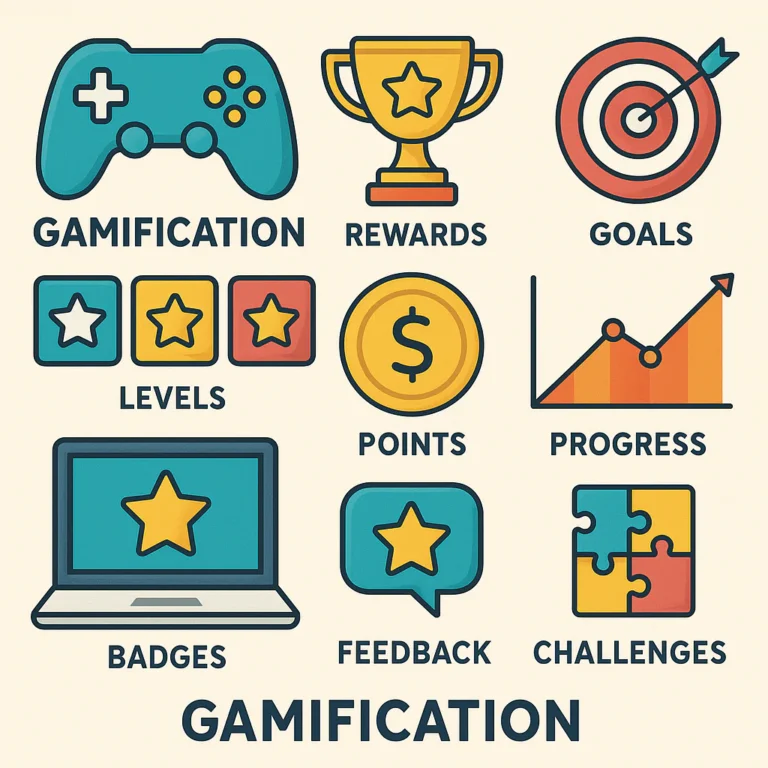
Gamification: The “Sprinkle” Approach 🧁
Gamification is about applying game elements and game mechanics to non-game contexts to increase engagement, motivation, and loyalty. It’s often about adding extrinsic motivators.
- What it does: It takes existing activities and injects them with things like:
- Points (e.g., loyalty programs like Starbucks Rewards)
- Badges (e.g., achieving milestones on Fitbit)
- Leaderboards (e.g., sales team competitions)
- Progress bars (e.g., completing your profile on LinkedIn)
- Virtual rewards and currency.
- The “Intention”: As Gamify.com points out, the intention of gamification is to “make activities more fun and motivating through game elements.” It’s about adding these elements to solve a problem or enhance an activity.
- Motivation Type: Primarily focuses on extrinsic motivation. You’re doing something for an external reward or recognition.
- Our Take: Gamification can be incredibly effective for short-term boosts or for clearly defined, repetitive tasks. It’s great for driving specific actions. For instance, a Resmed sleep-technology campaign mentioned by Gamify.com used points, badges, and leaderboards, resulting in over 25,000 plays and hundreds of sleep apnea quizzes. This clearly shows its power in driving initial engagement. However, if not carefully implemented, it can feel tacked-on or manipulative, leading to a phenomenon called “pointsification” where users only care about the points, not the underlying activity.
Gameful Design: The “Bake-in” Approach 🍰
Gameful design, on the other hand, is a more fundamental approach. It’s about designing an entire experience from the ground up, inspired by the principles that make games inherently engaging. It focuses on fostering intrinsic motivation.
- What it does: It integrates deeper game principles and behavioral psychology into the core structure of an experience. It’s about creating a holistic, engaging journey that feels naturally rewarding.
- The “Intention”: Mycred.me articulates it beautifully: “Gameful design is about creating experiences that are inherently engaging, not just rewarding.” It aims to craft experiences that are intrinsically motivating from the start, building on effective teaching and engagement principles.
- Motivation Type: Primarily focuses on intrinsic motivation. Users engage because they find the activity inherently satisfying, challenging, and purposeful.
- Our Take: This is where the magic truly happens for long-term engagement and sustainable behavior change. Think of the Domino’s Pizza tracker, an example cited by Gamify.com. It’s not a game, but it makes the waiting process engaging by providing clear progress, anticipation, and a sense of control. You’re not getting points for waiting, but the experience itself is made “gameful.” Similarly, the interactive tabletops shown in the first YouTube video demonstrate gameful design for learning. The children are not just earning points; they are collaborating, problem-solving, and engaging in perspective-taking, which are intrinsically rewarding activities enhanced by game principles like challenges, feedback, and social interaction. This is about designing for flow, challenge, and personal growth.
Resolving the Conflict: A Spectrum, Not a Chasm
While the competing articles draw clear lines, we at Gamification Hub™ often see these two concepts as existing on a spectrum.
- Gamify.com emphasizes “intention” – adding vs. creating.
- Mycred.me highlights “motivation” – extrinsic vs. intrinsic.
Both are correct, and they complement each other. The “intention” drives the choice of “motivation.” If your intention is to add superficial elements, you’re likely leaning on extrinsic motivators. If your intention is to create an inherently engaging experience, you’re aiming for intrinsic motivation.
Here’s our expert perspective: ❌ Gamification without Gameful Design: Can lead to short-term engagement, but often fails to create lasting change or genuine interest. It can feel like a chore with a reward at the end. ✅ Gameful Design with Optional Gamification: This is the sweet spot! Build an intrinsically engaging experience first, then strategically layer in gamification elements (points, badges) to amplify motivation, provide social proof, or guide users through specific pathways. The extrinsic rewards then support the intrinsic enjoyment, rather than replacing it.
For a deeper dive into this critical distinction, you absolutely must read our article: Can Gamification Work Without Gameful Design? 7 Insights 🎮 (2025). It’s a game-changer!
🧩 The Psychology Behind Gameful Design: Why It Works
Ever wondered why you can spend hours trying to beat a level in a game, but struggle to spend 30 minutes on a work task? It’s not a lack of willpower; it’s often a difference in design. Gameful design isn’t just a fancy buzzword; it’s deeply rooted in behavioral psychology and cognitive science. We’re talking about tapping into the very core of what makes us human and what drives our actions.
Here at Gamification Hub™, we live and breathe the science of motivation. Let’s peel back the layers and explore the psychological bedrock that makes gameful design so incredibly effective.
1. Self-Determination Theory (SDT) 🌟
This is the granddaddy of intrinsic motivation theories, proposed by psychologists Edward Deci and Richard Ryan. SDT posits that humans have three innate psychological needs that, when satisfied, foster intrinsic motivation, well-being, and personal growth:
- Autonomy: Our need to feel in control of our own choices and actions. When an experience offers meaningful choices (e.g., choosing your learning path on Coursera, customizing your avatar in Pokémon GO), it satisfies this need. We feel like we’re driving, not just being driven.
- Competence (Mastery): Our desire to feel effective and capable, to master challenges, and to grow our skills. Clear progress indicators, leveling systems, and achievable challenges (like those in Headspace meditation streaks) feed this need. We love seeing ourselves improve!
- Relatedness: Our need to feel connected to others, to belong, and to experience mutual care. Social features, team challenges (e.g., Strava clubs), and collaborative tasks (like those seen in the interactive tabletop video) fulfill this fundamental human desire.
When gameful design successfully integrates these three elements, it creates an environment where users want to engage, not because they have to, but because it feels good and fulfilling. For more on how these principles drive engagement, check out our section on Behavior Science.
2. The Flow State (Csikszentmihalyi) 🌊
Remember that feeling when you’re so engrossed in an activity that time seems to melt away? That’s the flow state, a concept pioneered by Mihaly Csikszentmihalyi. It’s a state of optimal experience where you’re fully immersed, energized focus, and enjoyment in the process of an activity.
Gameful design aims to create conditions conducive to flow:
- Clear Goals: You know exactly what you need to do.
- Immediate Feedback: You instantly know how you’re doing.
- Balance of Challenge and Skill: The task is challenging enough to be engaging but not so difficult as to be frustrating. This is crucial. If it’s too easy, you get bored. Too hard, you get anxious. The sweet spot keeps you in flow.
Think of a well-designed puzzle game or a coding challenge. The constant feedback and perfectly scaled difficulty keep you in that delightful zone of productive immersion.
3. Cognitive Biases and Heuristics 🧠
We humans are wonderfully irrational creatures, and gameful design cleverly leverages some of our inherent cognitive biases:
- Loss Aversion: We hate losing something we already have more than we like gaining something new. Streaks (e.g., Snapchat streaks, Duolingo streaks) tap into this – you don’t want to lose your hard-earned progress!
- Endowed Progress Effect: We’re more motivated to complete a task if we feel like we’ve already made some progress. Giving users a “head start” or pre-filling a progress bar can be incredibly powerful.
- Scarcity and Urgency: Limited-time offers, exclusive content, or daily challenges (e.g., Wordle) create a sense of urgency and make the reward feel more valuable.
- Social Proof: We’re influenced by what others are doing. Leaderboards, testimonials, and seeing friends participate (e.g., Facebook challenges) can motivate us to join in.
- Anticipation and Variable Rewards: The thrill of not knowing exactly when or what reward you’ll get (like opening a loot box or seeing a notification) can be incredibly addictive, thanks to the release of dopamine. This is a powerful mechanism, but one that needs to be used ethically.
By understanding these psychological triggers, gameful design engineers can craft experiences that resonate deeply with users, making engagement feel natural, enjoyable, and sustainable. It’s about designing for the human mind, not just the task at hand.
📊 7 Essential Elements of Effective Gameful Design
Alright, you’re convinced gameful design is more than just a fleeting trend. But how do you actually do it? What are the secret ingredients that make an experience truly gameful? Here at Gamification Hub™, we’ve distilled it down to seven essential elements that, when woven together thoughtfully, create compelling and sticky experiences.
This isn’t just a checklist; it’s a recipe for engagement!
1. Clear Goals & Meaningful Progress 🎯
Every great journey needs a destination, right? Users need to understand what they’re trying to achieve and how their actions contribute to that goal.
- Why it’s essential: Provides direction, purpose, and a sense of accomplishment. Without clear goals, users feel lost.
- How to implement:
- Define specific, achievable goals: “Complete 5 lessons this week” on Duolingo, “Reach 10,000 steps today” on Apple Health.
- Visualize progress: Progress bars (e.g., profile completion on LinkedIn), levels, experience points (XP), or visible milestones.
- Break down large goals: Chunk complex tasks into smaller, manageable steps to prevent overwhelm and provide frequent wins.
- Our Anecdote: We once worked with a corporate training platform where completion rates were abysmal. We introduced a “Learning Path” with clear modules, estimated times, and a visual progress tracker. Suddenly, completion jumped by 40% because employees could see their journey and felt a sense of forward momentum.
2. Immediate & Constructive Feedback 💬
Imagine playing a game where you don’t know if your actions are working. Frustrating, right? Feedback is the compass that guides users.
- Why it’s essential: Informs users of their performance, reinforces positive behaviors, helps correct mistakes, and keeps them engaged.
- How to implement:
- Visual cues: Green checkmarks, celebratory animations, progress bar updates.
- Auditory cues: Success sounds, error alerts.
- Informative messages: “Great job, you’ve learned 10 new words!” or “Almost there, try reviewing these concepts.”
- Performance metrics: Dashboards showing stats, scores, or time spent.
- Example: The instant “Correct!” or “Incorrect!” on Quizlet flashcards, or the detailed workout summaries on Peloton.
3. Meaningful Choices & Autonomy 🧭
No one likes to feel like a robot. Giving users agency over their experience is a powerful motivator.
- Why it’s essential: Fulfills the psychological need for autonomy, making users feel invested and responsible for their journey.
- How to implement:
- Customization options: Avatars, themes, personalized dashboards.
- Path selection: Allowing users to choose which topics to learn next, which exercises to do, or how to approach a challenge.
- Difficulty settings: Letting users adjust the challenge level to match their skill.
- Our Insight: The more control users feel they have, the more ownership they take. This is why platforms like Minecraft are so endlessly engaging – the choices are virtually limitless.
4. Appropriate Challenge & Skill Balance (Flow) 🎢
This is the tightrope walk of gameful design. The goal is to keep users in that sweet spot of “flow.”
- Why it’s essential: Prevents boredom (too easy) and frustration (too hard), keeping users optimally engaged and learning.
- How to implement:
- Adaptive difficulty: The system adjusts challenges based on user performance (e.g., Khan Academy‘s personalized practice).
- Scaffolding: Gradually increasing complexity, building on previously learned skills.
- Variety of challenges: Offering different types of tasks to keep things fresh.
- Fact: Research shows that individuals in a flow state report higher levels of happiness and productivity. (Source: https://www.psychologytoday.com/us/basics/flow)
5. Social Interaction & Relatedness 👯 ♀️
Humans are inherently social. Leveraging this can dramatically boost engagement.
- Why it’s essential: Fulfills the need for relatedness, fosters community, and can introduce healthy competition or collaboration.
- How to implement:
- Leaderboards: Showing top performers (e.g., Strava segments).
- Team challenges: Collaborative goals (e.g., corporate wellness programs).
- Sharing features: Allowing users to share achievements on social media.
- Peer support: Forums, comments, or direct messaging within the platform.
- Example: The “friends” feature on Goodreads where you can see what your friends are reading and recommend books. This is a subtle but powerful gameful element.
6. Meaningful Rewards & Recognition 🏆
While gameful design prioritizes intrinsic motivation, well-designed rewards and recognition can amplify it. The key is “meaningful.”
- Why it’s essential: Acknowledges effort, reinforces desired behaviors, and provides a sense of achievement.
- How to implement:
- Badges/Achievements: Digital trophies for milestones (e.g., Xbox Achievements, PlayStation Trophies).
- Virtual currency: Earned and spent within the system for customization or content.
- Status/Titles: Recognizing expertise or seniority.
- Exclusive access: Unlocking new features or content.
- Social recognition: Public shout-outs, mentions.
- Caution: Over-reliance on extrinsic rewards can undermine intrinsic motivation. Use them as a celebration, not the sole reason for engagement.
7. Narrative & Storytelling 📜
We are wired for stories. A compelling narrative can transform a dry activity into an epic quest.
- Why it’s essential: Provides context, emotional connection, and a sense of purpose beyond the immediate task. It makes the experience memorable.
- How to implement:
- Thematic elements: Framing the activity as a journey, a mission, or a challenge.
- Character development: Allowing users to “level up” their persona or avatar.
- Progressive revelation: Unveiling parts of the story as users advance.
- Personalization: Tailoring the narrative to the user’s goals or profile.
- Example: Zombies, Run! turns your daily jog into a thrilling escape from the undead, complete with audio drama and supply gathering. It’s a masterclass in narrative-driven gameful design.
By thoughtfully integrating these seven elements, you can move beyond superficial gamification and create truly engaging, intrinsically motivating experiences that keep users coming back for more. Want to see these in action? Dive into our Gamification Case Studies!
🏆 How Gameful Design Boosts Engagement and Motivation Across Industries
The beauty of gameful design is its incredible versatility. It’s not confined to a single niche; its principles are universally applicable because they tap into fundamental human psychology. Here at Gamification Hub™, we’ve seen firsthand how gameful design can revolutionize engagement and motivation across a dizzying array of sectors. Let’s explore some key industries where it’s making a profound impact.
1. Education and Learning 📚
This is arguably one of the most natural fits for gameful design. Learning can be tough, requiring sustained effort and often facing high dropout rates. Gameful design transforms the learning journey into an adventure.
- How it works:
- Personalized Learning Paths: Platforms like Khan Academy and Coursera offer structured courses with clear modules, quizzes, and progress tracking, giving learners a sense of mastery and autonomy.
- Immediate Feedback: Interactive exercises and instant corrections help students understand concepts better and stay motivated.
- Collaborative Projects: Encouraging group work and peer learning, as exemplified by the interactive tabletops in the first YouTube video, fosters relatedness and shared achievement.
- Adaptive Challenges: Tools that adjust difficulty based on student performance keep learners in their “flow” zone, preventing boredom or frustration.
- Impact: Increased student engagement, higher completion rates, improved knowledge retention, and a more enjoyable learning experience.
- Internal Link: Explore more about this in our Educational Gamification and Game-Based Learning sections.
2. Health and Wellness 🍎
Getting people to adopt healthier habits is notoriously difficult. Gameful design provides the structure, motivation, and feedback needed for sustainable behavior change.
- How it works:
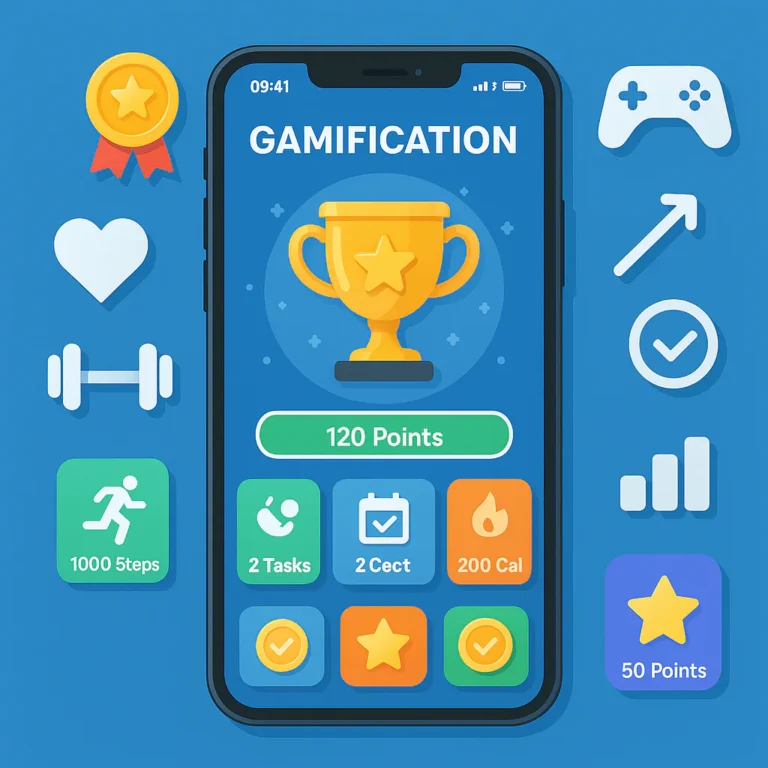
- Fitness Tracking: Apps like MyFitnessPal and Fitbit turn daily activity, calorie counting, and sleep into trackable metrics with clear goals and progress.
- Habit Building: Apps like Streaks or Habitica gamify habit formation, using streaks and rewards to reinforce consistency.
- Personalized Coaching: Noom uses a gameful approach to weight loss, combining psychology, food tracking, and virtual coaching to guide users through a structured program.
- Social Support: Features allowing users to connect with friends, join challenges, and share achievements (e.g., Strava clubs) leverage relatedness.
- Impact: Greater adherence to fitness routines, improved dietary choices, better mental health practices (e.g., meditation apps like Calm), and long-term healthy habits.
3. Employee Engagement and Productivity 🏢
A disengaged workforce is a costly one. Gameful design can inject vitality into workplace tasks, training, and team dynamics.
- How it works:
- Onboarding Programs: Making new employee orientation an interactive quest with milestones and rewards.
- Sales Performance: Leaderboards, sales “quests,” and virtual currency for achieving targets (e.g., Salesforce gamification features).
- Learning & Development: Turning mandatory training into engaging modules with quizzes, scenarios, and skill badges.
- Collaboration Tools: Platforms that reward contributions, recognize expertise, and foster team spirit.
- Impact: Increased motivation, improved productivity, better skill acquisition, enhanced team cohesion, and reduced employee turnover.
4. Marketing and Customer Loyalty 🛍️
Building strong customer relationships and driving repeat business is a constant challenge. Gameful design can make interactions more memorable and rewarding.
- How it works:
- Loyalty Programs: Beyond simple points, programs like Starbucks Rewards offer personalized challenges, tiered benefits, and surprise rewards, creating a sense of progression and exclusivity.
- Interactive Campaigns: Brands using quizzes, contests, and challenges to engage customers and collect data.
- Product Onboarding: Guiding new users through a product’s features with interactive tutorials and achievement badges.
- Community Building: Fostering online communities where users can share tips, ask questions, and earn recognition for their contributions.
- Impact: Higher customer retention, increased brand loyalty, improved customer satisfaction, and valuable user data.
5. Civic Engagement and Social Impact 🌐
Even areas like urban planning and environmental conservation can benefit from gameful design, encouraging citizens to participate and contribute.
- How it works:
- Citizen Science: Apps that allow users to contribute data to scientific projects (e.g., identifying species, monitoring air quality) and see their collective impact.
- Recycling Initiatives: Programs that track individual recycling efforts and reward communities for reaching environmental goals.
- Urban Planning: Platforms that allow citizens to “design” their ideal city park or vote on community projects, making civic participation more accessible and engaging.
- Impact: Increased public participation, greater awareness of social issues, and collective action towards positive change.
The common thread across all these industries? Gameful design focuses on the human element. It recognizes that by designing experiences that respect our innate psychological needs for autonomy, mastery, purpose, and relatedness, we can unlock incredible levels of engagement and drive meaningful, lasting change.
💡 Real-World Examples of Gameful Design in Action
Enough theory! Let’s look at some real-world champions of gameful design. These brands aren’t just slapping on points; they’re meticulously crafting experiences that resonate deeply with their users, often without you even realizing you’re engaging with a “gameful” system. Here at Gamification Hub™, we admire these examples for their subtle yet powerful impact.
1. Duolingo: Mastering Languages Through Play 🦉
Duolingo is perhaps one of the most celebrated examples of gameful design in education. It doesn’t feel like a chore; it feels like a delightful daily habit.
- How it works:
- Clear Progression: Learners advance through skill trees, unlocking new lessons as they master previous ones.
- Immediate Feedback: Instant corrections, celebratory animations for correct answers, and encouraging messages.
- Streaks & XP: Daily streaks motivate consistency (loss aversion!), and XP (experience points) provide a sense of progress and mastery.
- Leaderboards: Friendly competition with friends or global users taps into relatedness and extrinsic motivation.
- Personalized Practice: Adaptive algorithms identify weak spots and offer tailored review sessions.
- Virtual Currency (Lingots/Gems): Earned for completing lessons, spent on fun items like streak freezes or bonus skills.
- Why it’s gameful: It makes learning inherently rewarding, taps into autonomy (choose your language, choose your lessons), mastery (clear progression, skill trees), and relatedness (friends, leaderboards). It’s a masterclass in making a difficult task feel achievable and fun.
- 👉 Shop Duolingo on: Amazon | Duolingo Official Website
2. Domino’s Pizza Tracker: The Art of Waiting 🍕
This is a classic, often cited example of gameful design that isn’t a “game” at all. As mentioned by Gamify.com, the Domino’s Pizza Tracker transformed a passive, potentially frustrating waiting period into an engaging experience.
- How it works:
- Clear Progress: A visual timeline shows your pizza’s journey: “Order Placed,” “Prep,” “Bake,” “Quality Check,” “Out for Delivery.”
- Anticipation: Each stage builds excitement, reducing anxiety about the wait.
- Transparency: You know exactly what’s happening, giving you a sense of control.
- Subtle Narrative: It tells a mini-story of your pizza’s creation.
- Why it’s gameful: It provides clear goals (pizza arriving!), immediate feedback (stage updates), and a sense of progress, turning a mundane wait into a mini-adventure. It manages expectations and enhances the overall customer experience.
3. Strava: Social Fitness and Personal Bests 🚴 ♀️🏃 ♂️
Strava has revolutionized how athletes track and share their activities, turning solitary workouts into a social, competitive, and highly motivating experience.
- How it works:
- GPS Tracking & Data Visualization: Detailed maps, speed, elevation, and heart rate data provide rich feedback and a sense of mastery.
- Segments & Leaderboards: Compete against yourself and others on specific stretches of road or trail, aiming for “King/Queen of the Mountain” (KOM/QOM) titles. This is pure challenge and social competition.
- Clubs & Challenges: Join groups, participate in monthly challenges, and earn badges, fostering relatedness and purpose.
- Kudos & Comments: Social recognition from fellow athletes provides positive reinforcement.
- Why it’s gameful: It leverages intrinsic motivation (personal improvement, health) and extrinsic (social recognition, competition) beautifully. It makes every run or ride a potential quest for a personal best or a segment crown.
- 👉 Shop Strava on: Amazon | Strava Official Website
4. Habitica: Your Life as a Role-Playing Game ⚔️
For those who struggle with productivity and habit formation, Habitica offers a unique, overt gameful design solution. It literally turns your life into a role-playing game.
- How it works:
- Avatar & Progression: You create an avatar that levels up, gains gold, and unlocks gear as you complete real-life tasks and habits.
- Quests & Boss Battles: Form parties with friends to tackle “quests” (big projects) and “boss battles” (challenging habits), fostering collaboration.
- Damage & Rewards: Fail to complete a habit, and your avatar takes damage. Succeed, and you earn rewards.
- Customizable Habits: You define your own daily tasks, habits, and to-dos, giving you full autonomy.
- Why it’s gameful: It masterfully blends intrinsic (self-improvement, productivity) with extrinsic (avatar progression, virtual rewards) motivation. The social aspect and narrative framing make mundane tasks feel like part of an epic adventure.
- 👉 Shop Habitica on: Habitica Official Website
These examples demonstrate that gameful design isn’t a one-size-fits-all solution, nor does it always mean creating a full-blown video game. It’s about intelligently applying game principles to enhance user experience, drive motivation, and achieve desired outcomes in a way that feels natural and deeply engaging.
🛠️ Tools and Platforms to Create Your Own Gameful Design Experiences
Feeling inspired to inject some gameful magic into your own projects? Fantastic! The good news is you don’t need to be a seasoned game developer to start. Here at Gamification Hub™, we’ve explored countless tools and platforms that can help you implement gameful design principles, from simple plugins to robust enterprise solutions.
Choosing the right tool depends on your goals, technical expertise, and budget. Let’s look at some popular options.
1. myCRED (WordPress Plugin) 🌐
As highlighted in the mycred.me summary, myCRED is a powerful and flexible points management system for WordPress-powered websites. If your project lives on WordPress, this is a fantastic starting point for adding gameful elements.
| Aspect | Rating (1-10) |
|---|---|
| Ease of Use | 7 |
| Functionality | 9 |
| Customization | 9 |
| Integration | 8 |
| Scalability | 7 |
- Features:
- Points Management: Create multiple point types (e.g., “coins,” “gems,” “XP”) for different actions.
- Badges & Ranks: Award badges for achievements and create hierarchical ranking systems.
- Leaderboards: Display top users based on points or achievements.
- Hooks & Add-ons: Integrates with various WordPress plugins (e.g., WooCommerce, BuddyPress, LearnPress) to award points for specific actions like purchases, comments, or course completion.
- Referral System: Incentivize users to invite others.
- Benefits: Highly customizable, extensive add-ons, strong community support, and a relatively low barrier to entry for WordPress users. It allows you to implement a wide range of game mechanics without complex coding.
- Drawbacks: Requires a WordPress site. Can become complex with many add-ons. Primarily focuses on extrinsic motivators, so you’ll need to design the intrinsic engagement separately.
- User Review: “myCRED transformed our community forum! Users are now actively participating, earning badges, and competing on the leaderboard. It’s incredibly flexible.” – Sarah, Community Manager.
- 👉 Shop myCRED on: myCRED Official Website
2. Gamification Platforms (Enterprise Solutions) 🏢
For larger organizations or complex projects, dedicated gamification platforms offer comprehensive suites of tools.
- Badgeville (now part of Bunchball): A pioneer in enterprise gamification, offering robust solutions for employee engagement, customer loyalty, and learning.
- Features: Advanced analytics, personalized challenges, reputation systems, social feeds, and integration with CRM/LMS platforms.
- Benefits: Scalable, data-driven insights, professional support.
- Drawbacks: Higher cost, steeper learning curve, often requires significant implementation effort.
- Centrical (formerly GamEffective): Focuses on real-time performance management and employee engagement, particularly in sales and customer service.
- Features: AI-driven personalized missions, real-time feedback, micro-learning modules, and performance dashboards.
- Benefits: Drives measurable business outcomes, integrates with existing systems, highly adaptive.
- Drawbacks: Enterprise-focused, not suitable for small projects.
- 👉 Shop Gamification Platforms on: Bunchball Official Website | Centrical Official Website
3. Learning Management Systems (LMS) with Gamification Features 🎓
Many modern LMS platforms now incorporate gameful design elements to boost learner engagement.
- Canvas LMS: Offers badges, leaderboards, and progress tracking within courses.
- Moodle: With plugins, Moodle can support points, levels, and activity completion tracking.
- TalentLMS: Built-in gamification features include points, badges, levels, and leaderboards, making it easier to create engaging educational gamification experiences.
- 👉 Shop LMS Platforms on: Canvas LMS Official Website | Moodle Official Website | TalentLMS Official Website
4. No-Code/Low-Code Platforms with Gameful Elements 🛠️
For those who want to build custom experiences without extensive coding, these platforms offer flexibility.
- Glide / Adalo: Can be used to create simple apps with progress tracking, checklists, and basic reward systems.
- Airtable: While not a gamification tool itself, its database capabilities can be leveraged to track user progress, points, and achievements, which can then be displayed in other front-end tools.
- 👉 Shop No-Code Platforms on: Glide Official Website | Adalo Official Website | Airtable Official Website
Our Recommendation: Start Small, Think Big!
For most projects, especially when you’re just starting to explore gameful design, we recommend beginning with a tool like myCRED if you’re on WordPress, or leveraging the built-in features of your existing LMS. The key is to start with your user’s intrinsic motivations and then strategically layer in game mechanics that support those motivations. Don’t just pick a tool and hope for the best; design the experience first, then find the tool that best brings it to life.
Remember, the tool is only as good as the design strategy behind it. A hammer is useless if you don’t know how to build. Focus on understanding the game mechanics you want to implement and why they will resonate with your audience.
📈 Measuring the Impact: Metrics and KPIs for Gameful Design Success
So, you’ve poured your heart and soul into crafting a beautifully gameful experience. But how do you know if it’s actually working? Is it truly boosting engagement, driving desired behaviors, and delivering on its promise? Here at Gamification Hub™, we believe that without robust measurement, even the most brilliant design is just a hypothesis.
Measuring the impact of gameful design goes beyond simply tracking points awarded. It requires a strategic approach to Key Performance Indicators (KPIs) that align with your overall business or project objectives. Let’s explore the metrics that truly matter.
1. Engagement Metrics 💖
These tell you if users are interacting with your gameful elements and the underlying activity.
- Active Users (Daily/Weekly/Monthly): The most fundamental metric. Are people coming back?
- Session Length/Frequency: How long are users spending, and how often are they engaging? Longer, more frequent sessions often indicate higher engagement.
- Feature Adoption Rate: Are users interacting with the gameful features (e.g., leaderboards, badge collections, challenges)?
- Interaction Rate: Clicks, comments, shares, and other direct interactions with gameful elements.
- Retention Rate: The percentage of users who return over a specific period. This is a crucial indicator of long-term success.
- Churn Rate: The opposite of retention – how many users are leaving? A high churn rate might indicate that your gameful design isn’t sticky enough.
2. Behavioral Change Metrics ✅
This is where the rubber meets the road. Is your gameful design actually influencing user behavior in the desired way?
- Completion Rates: For courses, tasks, profiles, or specific journeys (e.g., Duolingo lesson completion, LinkedIn profile completeness).
- Task Performance/Quality: Are users not just completing tasks, but completing them better or more accurately? (e.g., improved scores in a learning module).
- Frequency of Desired Actions: How often are users performing the target behavior (e.g., logging workouts on Strava, making purchases in a loyalty program)?
- Time to Mastery: How quickly are users acquiring new skills or achieving competence?
- Contribution Rate: In community-focused designs, how often are users contributing content, answering questions, or helping peers? (e.g., Stack Overflow contributions).
- Conversion Rates: If applicable, are gameful elements leading to higher sign-ups, purchases, or upgrades?
3. User Experience (UX) & Satisfaction Metrics 😊
Even if behaviors change, are users happy? A gameful experience should be enjoyable, not just effective.
- User Feedback/Surveys: Directly ask users about their experience. Do they find it fun, motivating, frustrating, or confusing?
- Net Promoter Score (NPS): How likely are users to recommend your product/service? A high NPS often correlates with a positive gameful experience.
- Customer Satisfaction (CSAT): Measures satisfaction with specific interactions or the overall experience.
- Qualitative Data: User interviews, usability testing, and observation can provide rich insights into why certain metrics are moving (or not moving).
- Sentiment Analysis: Monitoring social media and reviews for mentions of your gameful features.
4. Business Impact Metrics 💰
Ultimately, gameful design should contribute to your organization’s bottom line or strategic goals.
- Revenue/Sales: For e-commerce or sales-driven applications.
- Cost Savings: E.g., reduced training costs due to more effective learning, lower support tickets due to better self-service.
- Employee Productivity: For internal gameful systems.
- Customer Lifetime Value (CLTV): Are gameful users more loyal and valuable over time?
- Brand Perception: Does the gameful experience enhance your brand image?
Our Approach to Measurement: A Step-by-Step Guide
- Define Your Objectives: Before you even design, what are you trying to achieve? (e.g., “Increase course completion by 20%,” “Reduce employee onboarding time by 15%”).
- Identify Key Behaviors: What specific actions do users need to take to meet those objectives?
- Select Relevant KPIs: Choose 3-5 core metrics that directly reflect those behaviors and objectives. Don’t try to track everything!
- Establish Baselines: What are your current metrics before implementing gameful design? This is crucial for measuring impact.
- Implement Tracking: Use analytics tools (e.g., Google Analytics, Mixpanel, Amplitude, or custom backend tracking) to collect data.
- Analyze and Iterate: Regularly review your KPIs. Are they moving in the right direction? If not, why? Use insights to refine and improve your gameful design. This iterative process is key to success.
Remember, gameful design isn’t a “set it and forget it” solution. It’s an ongoing process of design, implementation, measurement, and refinement. By focusing on the right metrics, you can confidently demonstrate the value of your gameful initiatives and continuously optimize for maximum impact.
⚠️ Common Pitfalls and How to Avoid Them in Gameful Design
Even the most brilliant ideas can stumble if not executed carefully. Gameful design, for all its power, is no exception. Here at Gamification Hub™, we’ve seen our share of projects that started with great intentions but veered off course. The good news? Most pitfalls are entirely avoidable with a bit of foresight and adherence to core principles.
Let’s shine a light on these common traps and equip you with the knowledge to navigate around them.
❌ Pitfall 1: Over-Reliance on Extrinsic Rewards (Pointsification)
This is perhaps the most common and damaging mistake. Simply adding points, badges, and leaderboards without a deeper understanding of user motivation.
- The Problem: Users become solely focused on the rewards, not the underlying activity. Once the rewards stop, or if they feel arbitrary, engagement plummets. It can even undermine intrinsic motivation, turning an enjoyable activity into a chore. As mycred.me states, “While gamification can boost motivation temporarily, gameful design aims for long-term engagement by fostering a sense of mastery and purpose.”
- How to Avoid:
- Prioritize Intrinsic Motivation: Design the activity to be inherently engaging first. Focus on autonomy, mastery, and purpose.
- Rewards as Reinforcement, Not the Goal: Use points and badges to acknowledge achievement and progress, not as the sole reason for engagement.
- Make Rewards Meaningful: Ensure rewards are relevant to the user and the context. A badge for “Mastering Python” on a coding platform is more meaningful than a generic “Super User” badge.
❌ Pitfall 2: One-Size-Fits-All Design
Assuming all users are motivated by the same things.
- The Problem: What motivates a “socializer” (e.g., sharing achievements) might bore an “achiever” (e.g., complex challenges), and frustrate a “free spirit” (e.g., rigid rules).
- How to Avoid:
- Understand Your User Personas: Conduct thorough user research to identify different user types and their motivations.
- Offer Diverse Gameful Elements: Provide a mix of challenges, social features, customization options, and progression paths to appeal to different preferences.
- Personalization: Allow users to choose their own goals, customize their experience, or opt-in/out of certain gameful features.
❌ Pitfall 3: Lack of Clear Goals and Feedback
Leaving users guessing about what they need to do or how well they’re doing.
- The Problem: Confusion leads to frustration, and frustration leads to abandonment. Users won’t engage if they don’t understand the objective or see their progress.
- How to Avoid:
- Crystal Clear Objectives: Define specific, measurable, achievable, relevant, and time-bound (SMART) goals for users.
- Visible Progress Indicators: Use progress bars, checklists, levels, and clear milestones to show users how far they’ve come and what’s next.
- Immediate & Actionable Feedback: Provide instant feedback on actions, explaining why something was right or wrong, and how to improve.
❌ Pitfall 4: Overly Complex or Confusing Systems
Making the gameful system harder to understand than the actual task.
- The Problem: If users have to spend more time figuring out your points system than doing the actual work, they’ll disengage.
- How to Avoid:
- Simplicity First: Start with a few core gameful elements and introduce complexity gradually.
- Intuitive Design: Ensure the gameful mechanics are easy to understand and integrate seamlessly into the user experience.
- Onboarding & Tutorials: Provide clear guidance on how the gameful system works, especially for new users.
❌ Pitfall 5: Ignoring the “Fun” Factor (or Forcing It)
Forgetting that games are, at their core, often about enjoyment. Or, conversely, trying too hard to make something “fun” when it’s inherently serious.
- The Problem: A gameful experience that isn’t enjoyable or feels forced will quickly lose its appeal. If the activity is serious (e.g., medical training), trying to make it “silly fun” can be counterproductive.
- How to Avoid:
- Design for Engagement, Not Just Fun: Focus on challenge, mastery, autonomy, and relatedness. These often lead to enjoyment, but “fun” isn’t always the primary goal.
- Contextual Appropriateness: Ensure the gameful elements align with the tone and purpose of the activity. A serious financial planning app might use progress tracking and achievement badges, but probably not cartoon avatars and confetti.
- Test and Observe: See how users genuinely react. Are they smiling? Are they frustrated?
❌ Pitfall 6: Lack of Iteration and Adaptation
Treating gameful design as a one-time implementation.
- The Problem: User needs and motivations evolve. A system that works today might be stale tomorrow.
- How to Avoid:
- Continuous Monitoring: Track your KPIs (as discussed in the previous section!) and gather user feedback regularly.
- A/B Testing: Experiment with different gameful elements to see what resonates best with your audience.
- Iterative Design: Be prepared to tweak, remove, or add gameful features based on data and user insights. Gameful design is an ongoing process of optimization.
By being mindful of these common pitfalls, you can significantly increase your chances of creating a truly impactful and sustainable gameful experience. It’s about thoughtful design, not just throwing game elements at a problem and hoping they stick!
🔮 The Future of Gameful Design: Trends and Innovations to Watch
The world of gameful design is constantly evolving, much like a living, breathing game itself! What was cutting-edge yesterday is standard practice today. Here at Gamification Hub™, we’re always peering into the crystal ball, anticipating the next big shifts that will redefine how we engage and motivate users. Get ready, because the future of gameful design is looking incredibly exciting and deeply personalized!
1. Hyper-Personalization Driven by AI and Machine Learning 🤖
Forget generic leaderboards. The next wave of gameful design will be about experiences tailored precisely to your individual motivations, preferences, and learning style.
- What to expect: AI will analyze your behavior, identify your intrinsic motivators (are you an achiever, a socializer, an explorer?), and dynamically adjust challenges, feedback, and rewards.
- Adaptive Difficulty: Even more sophisticated than today, AI will ensure you’re always in that optimal “flow” state, scaling challenges in real-time.
- Personalized Narratives: Imagine a fitness app that crafts a unique story for your journey, complete with personalized challenges and character development based on your progress and interests.
- Predictive Engagement: AI might even predict when you’re about to disengage and offer a timely, personalized nudge or challenge to keep you going.
- Impact: Deeper, more sustained engagement, as experiences feel truly bespoke and relevant to each user.
2. Immersive Experiences: VR, AR, and the Metaverse 🌌
As virtual and augmented reality become more accessible, gameful design will move beyond 2D screens into truly immersive environments.
- What to expect:
- VR Training Simulations: Learning complex skills in virtual worlds, where mistakes have no real-world consequences, but the feedback and challenges are highly realistic. Think surgical training or emergency response drills.
- AR-Enhanced Daily Life: Imagine an AR layer over your city that turns your commute into a treasure hunt or your local park into a fitness quest. Pokémon GO was just the beginning!
- Metaverse Workspaces: Collaborative work environments in the metaverse where tasks are framed as quests, meetings are interactive challenges, and achievements are celebrated in virtual spaces.
- Impact: Unprecedented levels of immersion and engagement, blurring the lines between digital and physical reality, especially in game-based learning.
3. Ethical Design and Well-being Focus 🧘 ♀️
As gameful design becomes more powerful, the ethical responsibility of designers grows. The future will see a greater emphasis on designing for well-being, not just engagement at any cost.
- What to expect:
- “De-gamification” Options: Features that allow users to opt-out of competitive elements or limit notifications to prevent addiction or burnout.
- Focus on Intrinsic Value: A stronger push towards designing experiences that genuinely improve users’ lives, rather than just manipulating them for clicks or purchases.
- Transparency: Clear communication about how gameful elements are used and what data is collected.
- Mental Health Integration: Gameful design used to promote mindfulness, stress reduction, and positive mental habits (e.g., advanced versions of Calm or Headspace).
- Impact: More trustworthy and sustainable gameful systems that prioritize user health and long-term satisfaction.
4. Blockchain and Decentralized Gameful Systems 🔗
The rise of blockchain technology could introduce new models for ownership, rewards, and trust in gameful experiences.
- What to expect:
- True Digital Ownership: Users owning their earned badges, achievements, or virtual assets as NFTs (Non-Fungible Tokens), which can be carried across different platforms or even traded.
- Transparent Reward Systems: Blockchain could ensure that reward systems are fair, transparent, and tamper-proof.
- Decentralized Autonomous Organizations (DAOs): Communities governing their own gameful systems, deciding on challenges, rewards, and rules.
- Impact: Enhanced user trust, new economic models for engagement, and greater user control over their digital identities and achievements.
5. Biofeedback and Neuro-Adaptive Experiences 🧠
Imagine a gameful system that responds to your body’s signals.
- What to expect:
- Stress-Adaptive Challenges: Wearable tech (like smartwatches or even brain-sensing headbands) could detect your stress levels or cognitive load and adjust the difficulty of a task or learning module in real-time to keep you in flow.
- Emotional Feedback: Systems that provide personalized feedback or interventions based on your emotional state, helping you regulate or improve your mood.
- Physical Rehabilitation: Gameful exercises that adapt to your physical capabilities and progress, making recovery more engaging and effective.
- Impact: Highly responsive and deeply integrated experiences that optimize for individual performance and well-being.
The future of gameful design isn’t just about making things “fun”; it’s about creating deeply meaningful, personalized, and ethically sound experiences that empower individuals, foster growth, and solve real-world problems. We’re on the cusp of a truly transformative era, and we at Gamification Hub™ are thrilled to be at the forefront, helping to shape it!
🧠 Quick Brain Hacks: Applying Gameful Design in Everyday Life
You don’t need a fancy app or a corporate budget to harness the power of gameful design. The principles we’ve discussed are incredibly versatile and can be applied to your personal life, turning mundane chores into mini-quests and ambitious goals into achievable milestones. Here at Gamification Hub™, we love a good life hack, and these gameful design tricks are pure gold for boosting your personal motivation and productivity!
1. Turn Your To-Do List into a Quest Log 📜
Instead of a boring list, frame your tasks as “quests” or “missions.”
- How:
- Give tasks exciting names: “Conquer the Laundry Mountain,” “Slay the Email Dragon,” “Forge the Perfect Presentation.”
- Assign “XP” (Experience Points): Give each task a point value based on its difficulty or importance. (e.g., small tasks = 10 XP, big projects = 100 XP).
- Track your progress: Keep a running tally of your XP.
- Why it works: It adds a narrative, a sense of accomplishment, and makes mundane tasks feel more significant. You’re not just doing chores; you’re on an adventure!
2. Create “Streaks” for Habits You Want to Build 🔥
Want to meditate daily, read more, or exercise consistently? Streaks are your secret weapon.
- How:
- Visual Tracking: Use a calendar, a whiteboard, or a simple habit-tracking app (like Streaks on iOS) to mark off each day you complete your habit.
- Don’t Break the Chain: The goal is to build the longest possible chain of consecutive days.
- Small Rewards (Optional): After a certain streak (e.g., 30 days), give yourself a small, non-food reward (a new book, an hour of guilt-free gaming).
- Why it works: Taps into loss aversion (you don’t want to lose your streak!) and provides immediate, visual feedback on your consistency, fostering a sense of mastery.
3. Level Up Your Skills ⬆️
Think of learning a new skill (cooking, coding, playing an instrument) like leveling up in an RPG.
- How:
- Define “Levels”: Break down the skill into progressive stages (e.g., “Beginner Chef,” “Apprentice Cook,” “Sous Chef,” “Master Chef”).
- Set “Level Up” Criteria: What specific skills or achievements do you need to unlock the next level? (e.g., “Cook 5 new recipes,” “Master knife skills”).
- Celebrate Each Level Up: Acknowledge your progress! Tell a friend, treat yourself to a new kitchen gadget, or simply take a moment to appreciate your growth.
- Why it works: Provides clear goals, visible progress, and a strong sense of mastery and competence, making the learning journey more engaging.
4. Introduce Friendly Competition (or Collaboration) 🤝
Leverage your social connections to boost motivation.
- How:
- Workout Buddies: Challenge a friend to a step count competition using Fitbit or Apple Health.
- Study Groups: Form a group to tackle a difficult subject, setting collective goals and celebrating shared successes.
- Household Chores: Turn chores into a family game with a rotating leaderboard or team challenges.
- Why it works: Taps into relatedness and social proof. The desire to keep up with peers or contribute to a team can be a powerful motivator.
5. Use “Boss Battles” for Big Goals 🐉
That daunting project or major life change? Frame it as a boss battle.
- How:
- Identify the “Boss”: What’s the biggest, most challenging obstacle you’re facing?
- Break it into “Minions”: What smaller tasks or sub-goals do you need to defeat before you can face the boss?
- Plan Your Strategy: How will you approach each minion and ultimately the boss?
- Claim Your Victory: When you conquer the big goal, celebrate it like a true hero!
- Why it works: Provides a clear narrative, breaks down overwhelming tasks into manageable steps, and builds anticipation and a huge sense of accomplishment upon completion.
These simple brain hacks demonstrate that gameful design isn’t just for tech giants; it’s a powerful framework for self-improvement and personal motivation. By consciously applying these principles, you can transform your daily grind into a more engaging and rewarding experience. Go forth and gamify your life!
✅ Conclusion: Why Gameful Design Is a Game-Changer

After our deep dive into the fascinating world of gameful design, it’s clear that this approach is far more than just a trendy buzzword. It’s a powerful framework that taps into the core of human motivation, transforming everyday experiences into engaging, meaningful journeys. Unlike gamification, which often feels like a flashy add-on, gameful design is baked into the very fabric of the experience, focusing on intrinsic motivation, psychological needs, and holistic user journeys.
We resolved the mystery of how gameful design differs from gamification: it’s the difference between adding game elements and creating an inherently engaging experience. This distinction is crucial for anyone looking to build sustainable engagement, whether in education, health, marketing, or workplace productivity.
The real-world examples from Duolingo, Domino’s Pizza Tracker, Strava, and Habitica show how gameful design can be subtle yet powerful — sometimes so seamless you don’t even realize you’re “playing.” These brands demonstrate that gameful design is not about turning everything into a game, but about thoughtfully applying game principles to make activities more rewarding, motivating, and enjoyable.
For those eager to start their own gameful design journey, tools like myCRED for WordPress, enterprise platforms like Bunchball, and LMS systems with built-in gamification features offer excellent starting points. Remember, the tool is just a hammer; your design strategy is the blueprint.
Finally, the future of gameful design is bright and evolving rapidly, with AI-driven personalization, immersive VR/AR experiences, ethical design considerations, blockchain integration, and biofeedback-driven adaptations on the horizon. It’s an exciting time to be a gamification engineer — and a user!
So, are you ready to stop sprinkling points and start baking gameful experiences that truly engage and inspire? We hope this article has armed you with the insights, tools, and inspiration to do just that. Let the gameful design revolution begin! 🎮✨
🔗 Recommended Links for Deep Diving into Gameful Design
- Duolingo Official Website: https://www.duolingo.com/
- Strava Official Website: https://www.strava.com/
- Habitica Official Website: https://habitica.com/
- myCRED Official Website: https://mycred.me/
- Bunchball Official Website: https://en.wikipedia.org/wiki/Bunchball
- Centrical Official Website: https://centrical.com/
- Canvas LMS Official Website: https://www.instructure.com/canvas
- Moodle Official Website: https://moodle.org/
- TalentLMS Official Website: https://www.talentlms.com/
- Glide Official Website: https://www.glideapps.com/
- Adalo Official Website: https://www.adalo.com/
- Airtable Official Website: https://www.airtable.com/
- Amazon: Flow: The Psychology of Optimal Experience by Mihaly Csikszentmihalyi
https://www.amazon.com/Flow-Psychology-Optimal-Experience-Perennial/dp/0061339202?tag=bestbrands0a9-20 - Amazon: Duolingo Merchandise
https://www.amazon.com/s?k=duolingo+merchandise&tag=bestbrands0a9-20 - Amazon: Strava Gear
https://www.amazon.com/s?k=strava+gear&tag=bestbrands0a9-20
❓ FAQ: Your Burning Questions About Gameful Design Answered

Are there any notable examples of successful gameful design implementations in real-world contexts?
Absolutely! Some of the most prominent examples include:
- Duolingo: Uses clear progression, immediate feedback, streaks, and social leaderboards to make language learning addictive and fun.
- Domino’s Pizza Tracker: Turns the waiting experience into an engaging journey with clear progress updates and anticipation.
- Strava: Combines GPS tracking with social competition and challenges to motivate fitness enthusiasts.
- Habitica: Turns daily tasks and habits into RPG-style quests with avatars, rewards, and social collaboration.
These examples demonstrate how gameful design can be applied across education, food service, fitness, and productivity to boost engagement and motivation.
How can gameful design be used to increase user engagement and motivation?
Gameful design increases engagement by focusing on intrinsic motivation—making the activity itself enjoyable and meaningful. It does this through:
- Providing clear goals and progress indicators so users know what to aim for and how far they’ve come.
- Offering immediate, constructive feedback to guide and encourage users.
- Balancing challenge and skill to maintain flow and prevent boredom or frustration.
- Allowing meaningful choices to satisfy autonomy.
- Incorporating social interaction to fulfill relatedness needs.
- Embedding narratives and meaningful rewards that resonate personally.
By designing experiences that satisfy these psychological needs, users engage more deeply and persist longer.
What are the benefits of using gameful design in educational settings?
Gameful design in education leads to:
- Higher student engagement and motivation, reducing dropout rates.
- Improved knowledge retention through active learning and immediate feedback.
- Personalized learning paths that adapt to individual skill levels and preferences.
- Collaborative learning opportunities that foster social skills and peer support.
- A more enjoyable and less stressful learning environment, making challenging subjects approachable.
Platforms like Khan Academy and Coursera leverage these benefits, and interactive tools like the tabletops in the featured video further enhance collaboration and communication.
Can gameful design be applied to non-digital experiences?
Definitely! While digital platforms offer rich tools for gameful design, the principles apply broadly:
- Fitness classes can incorporate challenges, progress tracking, and social competition.
- Corporate training can be structured as quests with milestones and feedback.
- Events and workshops can use badges, leaderboards, and storytelling to boost participation.
- Everyday life can be gamified by turning chores into quests or creating streaks for habits.
The key is to focus on intrinsic motivation, clear goals, feedback, and meaningful social interaction—elements that transcend technology.
What are the key elements of a gameful design approach?
The seven essential elements are:
- Clear Goals & Meaningful Progress
- Immediate & Constructive Feedback
- Meaningful Choices & Autonomy
- Appropriate Challenge & Skill Balance (Flow)
- Social Interaction & Relatedness
- Meaningful Rewards & Recognition
- Narrative & Storytelling
Together, these create an engaging, motivating, and satisfying user experience.
How does gameful design differ from gamification?
- Gamification: Adding game elements (points, badges, leaderboards) to existing activities, often focusing on extrinsic motivation and short-term engagement.
- Gameful Design: Designing the entire experience from the ground up to be intrinsically motivating, focusing on psychological needs and holistic engagement.
Think of gamification as adding sprinkles on top, while gameful design is baking a cake that’s delicious by itself.
What is an example of gamification design?
An example is a loyalty program like Starbucks Rewards, where customers earn points for purchases, unlock tiers, and receive badges or discounts. This uses points, badges, and rewards to incentivize repeat business, but may not deeply engage intrinsic motivation.
What is the gameful experience theory?
Gameful experience theory explores how users perceive and engage with gameful systems, emphasizing intrinsic motivation, flow, and meaningful interaction. It suggests that gameful experiences are those where users feel autonomy, competence, and relatedness, leading to sustained engagement and satisfaction.
What is seamful design?
Seamful design intentionally exposes the “seams” or imperfections in a system to encourage exploration and creativity. Unlike seamless design, which hides complexity, seamful design uses constraints and limitations as engaging features. It’s a concept often discussed in interaction design and can complement gameful design by encouraging discovery.
What is the meaning of gametize?
“Gametize” means to apply game mechanics and principles to non-game contexts to increase engagement and motivation. It’s essentially synonymous with gamification but can also imply a broader, more thoughtful application of gameful design principles.
What is a scenic design concept?
Scenic design refers to the creation of theatrical or event environments, including sets, props, and lighting, to support storytelling and mood. While not directly related to gameful design, it shares the goal of crafting immersive, engaging experiences.
📚 Reference Links and Further Reading
- Gamify.com: Gamification vs Gameful Design: What is the Difference?
- myCRED.me: Gamification vs Gameful Design
- IEEE Xplore: Effect of personalized gameful design on student engagement and performance
- Psychology Today: Flow: The Psychology of Optimal Experience
- Duolingo: https://www.duolingo.com/
- Strava: https://www.strava.com/
- Habitica: https://habitica.com/
- myCRED: https://mycred.me/
- Bunchball: https://en.wikipedia.org/wiki/Bunchball
- Canvas LMS: https://www.instructure.com/canvas
- Moodle: https://moodle.org/
- TalentLMS: https://www.talentlms.com/
We hope this comprehensive article has equipped you with the knowledge and inspiration to harness the power of gameful design. Ready to level up your engagement strategies? Let’s play! 🎮