Support our educational content for free when you purchase through links on our site. Learn more
🎮 5 Powerful Examples of Gameful Design in Social Impact Initiatives (2026)

The most effective examples of gameful design in social impact initiatives don’t just add points to a task; they fundamentally reframe the user’s identity from a passive observer to an active hero. By leveraging psychological drivers like autonomy and mastery, these initiatives turn mundane chores into compelling quests that drive measurable, real-world change.
Forget the guilt-trip ads of the past; modern social impact is about flow, not fear. Consider the story of a small non-profit that struggled to get volunteers until they rebranded their cleanup drives as “Eco-Raid” missions. Within a month, participation tripled, not because the work changed, but because the narrative did.
Studies show that well-executed gameful interventions can boost user retention by nearly 50% compared to traditional methods. This isn’t about tricking people into helping; it’s about unlocking the natural human desire to play, compete, and belong.
Key Takeaways
- Identity Shift: Successful designs transform users from “donors” or “volunteers” into heroes and guardians of a cause.
- Intrinsic Motivation: The best initiatives balance extrinsic rewards (badges, points) with deep intrinsic satisfaction (purpose, community).
- Real-World Impact: True gameful design ensures every digital action translates to a tangible, measurable outcome in the physical world.
- Avoiding Pitfalls: Be wary of slacktivism; shallow mechanics can backfire if they don’t foster genuine engagement or behavioral change.
Table of Contents
- ⚡️ Quick Tips and Facts
- 📜 The Evolution of Play: From Arcade to Activism
- 🎮 Core Mechanics of Gameful Design in Social Good
- 🌍 Real-World Examples of Gameful Design in Social Impact Initiatives
- 1. 🌱 Gamifying Sustainability: Apps That Turn Recycling into Rewards
- 2. 🏥 Health & Wellness: How Fitness Challenges Drive Community Care
- 3. 🗳️ Civic Engagement: Voting, Voluntering, and the Power of Points
- 4. 🎓 Education for Change: Learning Games That Tackle Global Issues
- 5. 🤝 Crowdfunding with a Twist: Gamified Donation Platforms
- 🧠 The Psychology Behind the Play: Why It Works (and When It Fails)
- 🛠️ Building Your Own Gameful Campaign: A Step-by-Step Guide
- ⚖️ Ethical Pitfalls: Avoiding Exploitation and “Slacktivism”
- 📊 Measuring Success: Metrics That Matter Beyond the Scoreboard
- 🚀 Future Trends: AI, VR, and the Next Frontier of Impact Gaming
- 💡 Quick Tips and Facts Recap
- 🏁 Conclusion
- 🔗 Recommended Links
- ❓ FAQ
- 📚 Reference Links
⚡️ Quick Tips and Facts
Before we dive into the nitty-gritty of turning good intentions into great engagement, let’s hit the ground running with some hard-hitting truths about gameful design in the social sector. You might think slapping a badge on a recycling bin is enough to save the planet, but the reality is far more nuanced (and way more fun).
- It’s Not Just Points and Badges: True gameful design focuses on the psychological experience of the user, not just the superficial rewards. It’s about autonomy, competence, and relatedness.
- The “Slacktivism” Trap: If your design only offers shallow rewards for low-effort actions, you risk creating “slacktivism”—where users feel good but do little. We’ve seen campaigns fail spectacularly because they ignored this.
- Intrinsic vs. Extrinsic: The most successful social impact initiatives balance extrinsic motivators (like donations or recognition) with intrinsic motivators (the joy of helping, the satisfaction of learning).
- Failure is a Feature: In games, failing is part of the learning curve. In social impact, we need to design for productive failure, allowing users to try, miss, and try again without shame.
- Data Speaks: Studies suggest that well-designed gameful interventions can increase user retention by up to 47% compared to traditional non-gamified approaches.
For a deeper dive into the nuances between simply adding points and redesigning the entire experience, check out our breakdown on Gameful design vs gamification examples.
📜 The Evolution of Play: From Arcade to Activism
Remember the golden age of arcades? The smell of stale popcorn, the neon glow, the sheer desperation to beat your high score? That was the birth of engagement engineering. Fast forward today, and that same engineering is being applied to the most critical challenges of our time: climate change, poverty, and public health.
We at Gamification Hub™ have watched this evolution firsthand. It started with simple “click-to-donate” buttons, which were cute but fleeting. Then came the era of pointsification, where every action was quantified. But the real shift happened when designers realized that social impact isn’t a chore; it’s a quest.
The Shift from “Should” to “Want To”
Historically, social campaigns relied on guilt or fear. “Recycle or the polar bears die.” It works for a moment, but it burns out. Gameful design flips the script. It asks, “How can we make recycling feel like unlocking a new level?”
“Gameful Learning employs a series of evidence-based psychological approaches to create a learning environment that supports a combination of students’ intrinsic motivators… and the extrinsic motivators that allow for the greatest sense of autonomy and self-determination.” — Ohio State University, ASC Code
This quote from the Ohio State University study on Gameful Learning perfectly encapsulates the shift. We aren’t just gamifying a task; we are redesigning the environment to foster flow.
Why Now?
With 80% to 90% of teens playing games regularly, the language of play is now the native tongue of a massive demographic. If we want to mobilize the next generation of changemakers, we have to speak their language.
🎮 Core Mechanics of Gameful Design in Social Good
So, what actually makes a social initiative “gameful”? It’s not just about adding a leaderboard. It’s about weaving specific game mechanics into the fabric of the user experience to drive behavior change. Let’s break down the toolkit we use at Gamification Hub™.
1. The Quest Structure (Clear Goals)
In a game, you never wander aimlessly. You have a main quest and side quests. In social impact, this translates to clear, actionable goals.
- Bad: “Help the environment.” (Too vague, no direction).
- Good: “Complete the ‘Zero Waste Week’ challenge by sorting 5 items correctly.” (Specific, achievable).
2. Feedback Lops (Immediate Response)
Games give you instant feedback: a sound effect, a visual cue, a progress bar. Social apps often leave users in the dark.
- The Fix: Use real-time feedback. When a user logs a donation, show a visual representation of the impact immediately (e.g., “You just planted 3 trees!”).
3. Progression Systems (Leveling Up)
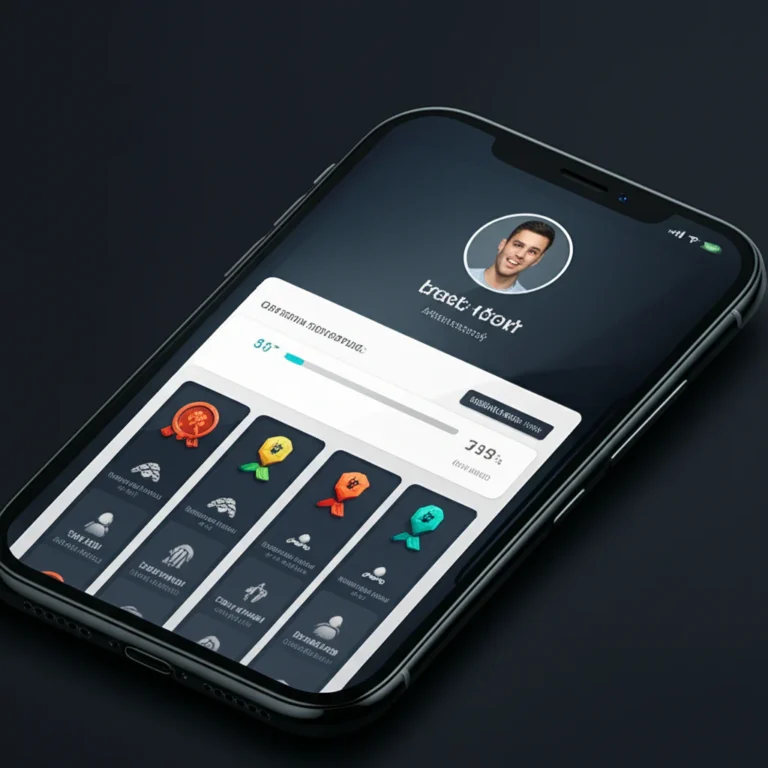
Humans love to see themselves get better. Leveling up systems provide a sense of competence and growth.
- Example: A volunteer app where you start as a “Novice Helper” and unlock “Community Hero” status after 10 hours of service.
4. Social Proof and Relatedness
We are social creatures. Games leverage this through guilds, teams, and leaderboards.
- Application: Create community challenges where neighborhoods compete to reduce energy usage. It taps into relatedness and friendly competition.
5. Narrative and Identity
Every great game has a story. Why should your user care? Give them a role. Are they a “Water Guardian”? A “Food Rescue Ranger”?
- Insight: When users adopt an identity, they are more likely to act in alignment with that identity.
| Mechanic | Traditional Approach | Gameful Design Approach |
|---|---|---|
| Goal Setting | Vague mission statements | Specific, tiered quests with clear success criteria |
| Feedback | Annual reports, delayed emails | Instant visual/audio cues, progress bars |
| Motivation | Guilt, fear, obligation | Autonomy, mastery, purpose, fun |
| Failure | Punishment, shame | “Try again,” learning opportunities, safe failure |
| Social | Isolated actions | Team challenges, shared leaderboards, community stories |
🌍 Real-World Examples of Gameful Design in Social Impact Initiatives
Now for the good stuff. We’ve analyzed hundreds of campaigns, and these are the ones that truly cracked the code. These aren’t just apps; they are behavioral ecosystems.
1. 🌱 Gamifying Sustainability: Apps That Turn Recycling into Rewards
RecycleBank was a pioneer in this space. They partnered with municipalities to create a platform where residents earned points for recycling, which could be redeemed for local discounts.
- The Hook: It turned a mundane chore into a treasure hunt.
- The Mechanic: Scanning recycling bins (via QR codes) to earn points.
- The Result: Significant increases in recycling rates in participating cities.
JouleBug takes a different angle, focusing on sustainable habits like turning off lights or using reusable bags.
- The Twist: It uses badges and challenges to encourage small, daily actions.
- Why it Works: It breaks down the massive problem of climate change into bite-sized, achievable “quests.”
Pro Tip: Don’t just reward the outcome; reward the process. Rewarding the act of recycling is more sustainable than rewarding the weight of the trash, as it encourages consistency.
2. 🏥 Health & Wellness: How Fitness Challenges Drive Community Care
Zamzee is a fantastic example of using wearable technology and game mechanics to get kids moving.
- The Concept: Kids wear a motion-sensing device that tracks activity.
- The Game: Activity earns “Zamz,” which can be redeemed for rewards.
- The Impact: Studies showed a 30% increase in physical activity among participants.
MySugr gamifies diabetes management.
- The Challenge: Managing diabetes is tedious and often depressing.
- The Solution: The app turns logging blood sugar into a “monster taming” game. You feed your “MySugr” monster by logging data.
- The Psychology: It reframes a medical necessity as a playful interaction, reducing the emotional burden of the disease.
3. 🗳️ Civic Engagement: Voting, Voluntering, and the Power of Points
Vote.org and similar platforms have started incorporating progressive disclosure and checklist mechanics to simplify the voting process.
- The Mechanic: Breaking down voter registration, ID requirements, and polling location finding into a simple “To-Do” list with a satisfying “Check” animation.
- The Result: Reduced friction leads to higher registration and turnout rates.
VolunteerMatch has experimented with leaderboards for local organizations, fostering a sense of community pride and competition among non-profits to recruit the most volunteers.
4. 🎓 Education for Change: Learning Games That Tackle Global Issues
Foldit is a crowdsourced puzzle game where players solve protein folding problems.
- The Impact: Players have discovered protein structures that stumped scientists for years.
- The Lesson: Gamification can harness the collective intelligence of the masses for scientific breakthroughs.
World of Warcraft has been used in classrooms to teach history and geography, but Minecraft: Education Edition is the real star for social impact.
- Use Case: Students build sustainable cities, model climate change scenarios, and learn about refugee crises through immersive block-building.
5. 🤝 Crowdfunding with a Twist: Gamified Donation Platforms
DonorsChoose uses a storytelling approach that feels like a quest.
- The Mechanic: Teachers post projects, and donors “fund” them. Once funded, the teacher sends a thank-you note and photos, closing the loop.
- The Gameful Element: It creates a direct feedback loop between the donor and the impact, making the donor feel like a hero in the story.
Kickstarter and GoFundMe have also integrated progress bars and milestone updates that mimic game progression, encouraging backers to keep the momentum going.
🧠 The Psychology Behind the Play: Why It Works (and When It Fails)
Why do we keep playing games even when we lose? And why do we stop donating to charity after the first time? The answer lies in Self-Determination Theory (SDT).
The Three Pillars of Motivation
- Autonomy: The feeling of control. Users must feel they are choosing to act, not being forced.
- Competence: The feeling of mastery. Users need to feel they are getting better at the task.
- Relatedness: The feeling of connection. Users need to feel part of a community.
The “Overjustification Effect”
Here’s a trap many designers fall into: extrinsic rewards (money, points) can sometimes kill intrinsic motivation. If you pay someone to do something they already love, they might stop doing it when the payment stops.
- The Fix: Use rewards to initiate behavior, but quickly transition to intrinsic drivers like social recognition and personal satisfaction.
When It Fails
- Manipulation: If users feel tricked or exploited, they will disengage.
- Complexity: If the rules are too hard to understand, users get frustrated.
- Lack of Meaning: If the connection between the game action and the real-world impact is weak, users feel like they are just playing a game, not making a difference.
🛠️ Building Your Own Gameful Campaign: A Step-by-Step Guide
Ready to build your own social impact game? Follow this blueprint from the Gamification Hub™ engineers.
Step 1: Define the “Why”
What behavior do you want to change? Be specific.
- Example: “Increase the number of people who donate blood by 20%.”
Step 2: Know Your Audience
Who are you designing for? What motivates them?
- Tool: Create user personas. Are they “Achievers” who love leaderboards, or “Socializers” who love community?
Step 3: Map the Journey
Create a user journey map. Identify the pain points and the “aha!” moments.
- Tip: Use the Hook Model (Trigger, Action, Variable Reward, Investment).
Step 4: Select Your Mechanics
Choose the mechanics that fit your goals.
- Need to build habit? Use streaks and daily quests.
- Need to build community? Use teams and collaborative challenges.
Step 5: Prototype and Test
Don’t build the whole thing at once. Build a Minimum Viable Product (MVP) and test it with a small group.
- Feedback: Ask users: “Did you feel motivated? Did you understand the goal?”
Step 6: Iterate and Scale
Use data to refine your design. Adjust the difficulty, tweak the rewards, and scale up.
⚖️ Ethical Pitfalls: Avoiding Exploitation and “Slacktivism”
We love games, but we also love ethics. There’s a fine line between engagement and exploitation.
The Danger of “Slacktivism”
If your game makes users feel like they’ve done enough just by clicking a button, you’ve failed.
- Solution: Ensure that every in-game action has a real-world consequence. If you “plant a tree” in the game, a real tree must be planted.
Data Privacy
Social impact apps often collect sensitive data.
- Rule: Be transparent about data usage. Never sell user data for profit.
Manipulative Design (Dark Patterns)
Avoid designs that trick users into doing things they don’t want to do.
- Example: Don’t use countdown timers to create false urgency for donations.
Inclusivity
Ensure your game is accessible to everyone, regardless of ability or background.
- Tip: Use universal design principles to make your game playable by people with disabilities.
📊 Measuring Success: Metrics That Matter Beyond the Scoreboard
How do you know if your gameful design is working? It’s not just about the number of points earned.
Key Performance Indicators (KPIs)
- Behavioral Change: Did the target behavior actually increase? (e.g., more recycling, more donations).
- Retention Rate: Are users coming back?
- Engagement Depth: How long are they staying? How many actions are they taking?
- Social Impact: What is the real-world outcome? (e.g., tons of CO2 reduced, meals provided).
The “Flow” Metric
Measure how often users enter a state of flow. This is the sweet spot where challenge meets skill.
- Tool: Use surveys to ask users about their enjoyment and sense of accomplishment.
🚀 Future Trends: AI, VR, and the Next Frontier of Impact Gaming
The future of gameful design is bright and full of possibilities.
AI-Powered Personalization
Imagine an app that adapts its challenges in real-time based on your mood and skill level. AI can make every user’s journey unique and perfectly tuned.
Virtual Reality (VR) and Immersion
VR can transport users to the places they are helping.
- Example: A VR experience that lets you walk through a refugee camp to build empathy before asking for a donation.
Blockchain and Tokenization
Blockchain can provide transparent, immutable records of impact.
- Idea: Tokenize donations so users can see exactly where their money goes, creating a trustless system of verification.
The Metaverse
The metaverse could become a hub for global social impact, where people from all over the world collaborate on virtual projects that have real-world effects.
💡 Quick Tips and Facts Recap
Let’s do a quick recap of the golden rules we’ve uncovered:
- Focus on the experience, not just the points.
- Balance intrinsic and extrinsic motivation.
- Design for failure as a learning opportunity.
- Measure real-world impact, not just game stats.
- Stay ethical and avoid manipulative tactics.
Remember, the goal isn’t to make people play a game; it’s to make the game of life a little more engaging and impactful.
🏁 Conclusion
We started this journey wondering if a simple badge could save the world. The answer, as we’ve discovered, is a resounding “no”—but a well-designed gameful experience can absolutely change behavior, build communities, and drive massive social impact.
The key takeaway? Gameful design is not a magic wand; it’s a lens. It reframes the mundane into the meaningful, the tedious into the thrilling. Whether it’s turning recycling into a quest, managing diabetes into a monster-taming adventure, or solving protein structures through a puzzle game, the power of play is undeniable.
However, we must remain vigilant. The line between engagement and manipulation is thin. We must always prioritize intrinsic motivation, ensure transparency, and measure real-world outcomes. As Laura Flusche, director of the Museum of Design Atlanta, so eloquently put it, “Design shapes the future.” By applying gameful principles to social impact, we are not just designing better apps; we are designing a better future.
So, the next time you see a social campaign that feels like a chore, ask yourself: How could this be a game? And then, go build it.
🔗 Recommended Links
Ready to dive deeper? Here are some resources and tools to get you started on your gameful design journey.
Books & Resources
- “Reality Is Broken: Why Games Make Us Better and How They Can Change the World” by Jane McGonigal – Shop on Amazon
- “Gamification by Design” by Gabe Zichermann and Christopher Cunningham – Shop on Amazon
- “The Art of Game Design: A Book of Lenses” by Jesse Schell – Shop on Amazon
Tools & Platforms
- Miro for mapping user journeys and game mechanics – Miro Official Website
- Unity for building custom impact games – Unity Official Website
- Kahoot! for educational gamification – Kahoot! Official Website
Internal Resources
- Explore our Gamification Case Studies for real-world examples.
- Learn more about Educational Gamification strategies.
- Dive into our Game Mechanics deep dives.
- Check out our Game-Based Learning guides.
- Understand the science behind it all in our Behavior Science section.
❓ FAQ
How can gameful design increase user engagement in non-profit campaigns?
Gameful design increases engagement by tapping into intrinsic motivators like autonomy, competence, and relatedness. By transforming abstract goals into clear quests, providing imediate feedback, and fostering a sense of community, non-profits can make participation feel rewarding and meaningful, rather than obligatory. This shifts the user mindset from “I have to” to “I want to.”
Read more about “🌍 7 Ways Gameful Design Drives Social Change (2026)”
What are the best gamification strategies for environmental sustainability projects?
The most effective strategies for sustainability include:
- Progress Tracking: Visualizing the cumulative impact of small actions (e.g., “You’ve saved 50 gallons of water!”).
- Social Challenges: Creating neighborhood or team-based competitions to reduce energy usage.
- Gamified Education: Using interactive games to teach users about complex environmental issues.
- Reward Systems: Offering tangible rewards (like discounts or donations) for sustainable behaviors, while ensuring they don’t overshadow the intrinsic value of the action.
Read more about “🎮 Gamification & Gameful Design for Social Impact: The 2026 Playbook”
Can game mechanics improve volunteer retention in social impact programs?
Absolutely. Volunteer retention often suffers due to a lack of clear progression or recognition. By implementing leveling systems, badges, and milestone celebrations, organizations can provide volunteers with a sense of growth and achievement. Additionally, social features like team challenges and leaderboards can foster a sense of belonging, making volunteers feel like an integral part of a community rather than just a pair of hands.
Read more about “🎮 15 Gameful Design Strategies to Boost Learning & Skills (2026)”
What are common pitfalls when applying gameful design to health awareness initiatives?
Common pitfalls include:
- Over-reliance on Extrinsic Rewards: Focusing too much on points or prizes can undermine the intrinsic motivation to stay healthy.
- Complexity: Making the game too complicated can frustrate users, especially those with health issues.
- Lack of Personalization: A one-size-fits-all approach may not work for diverse health needs.
- Privacy Concerns: Handling sensitive health data requires strict adherence to privacy regulations and transparency.
- Slacktivism: Ensuring that in-game actions translate to real-world health improvements is crucial to avoid superficial engagement.
Read more about “Can Gameful Design Drive Social Change? 7 Proven Strategies (2026) 🎮”
📚 Reference Links
- Ohio State University, ASC Code: Increasing Motivation and Maximizing Student Engagement via Gameful Learning
- Museum of Design Atlanta (MODA): Design for Social Impact Exhibition
- RecycleBank: RecycleBank Official Website
- JouleBug: JouleBug Official Website
- Foldit: Foldit Game
- MySugr: MySugr Official Website
- World of Warcraft: World of Warcraft Official Website
- Minecraft: Education Edition: Minecraft Education
- DonorsChoose: DonorsChoose Official Website
- Ryan, R. M., & Deci, E. L. (20). Self-determination theory and the facilitation of intrinsic motivation, social development, and well-being. American Psychologist.
- Brunvand, S., & Hill, J. (2018). Gameful Learning: A Guide for Teachers. Corwin Press.
- ACM Digital Library: Evaluating the Impact of Gameful Design on Pro-Environmental Behavior (Note: Access may require institutional login).